



















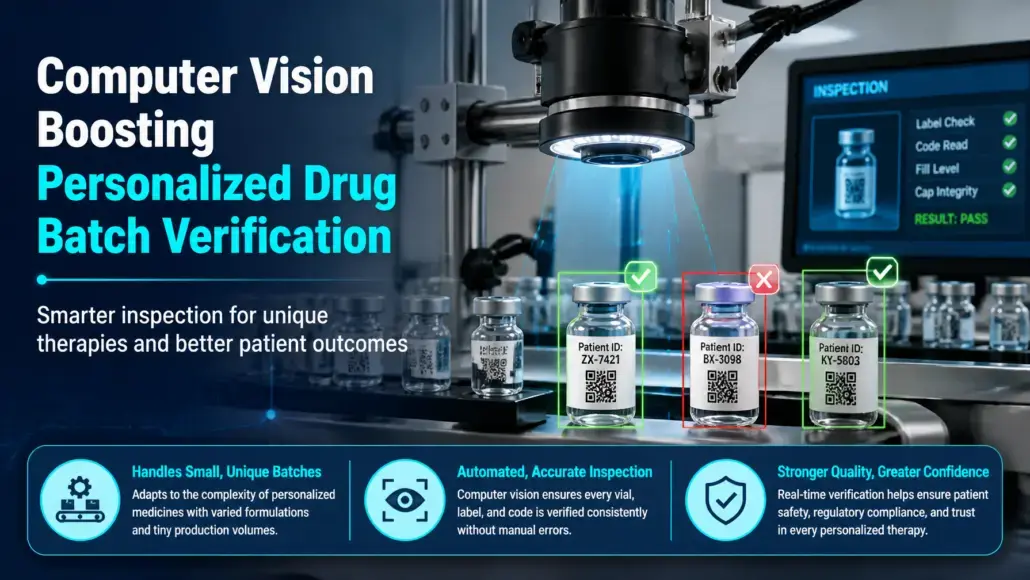
The transition from mass-market pharmaceutical production to highly individualized therapies has introduced a new level of complexity into the manufacturing process. Unlike traditional drugs, which are produced in massive, uniform batches, personalized medicines are often manufactured in small, unique quantities tailored to the specific needs of an individual patient. This shift requires a radical re-evaluation of quality control and verification procedures, as the manual inspection methods of the past are no longer sufficient to ensure the safety and accuracy of these complex products. The integration of computer vision technology is proving to be the essential solution, providing a high-speed, automated, and highly precise framework to verify personalized drug batches in real-time. By leveraging advanced image processing and machine learning, this technology is transforming the pharmaceutical cleanroom into a data-driven environment where every dose is accounted for and verified with unprecedented accuracy.
Computer Vision Enables Precise Dose Verification
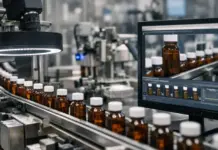
Computer vision systems utilize high-resolution cameras and sophisticated algorithms to analyze the physical characteristics of drug products, such as their size, shape, color, and texture. In the context of personalized medicine, these systems can be programmed to recognize the unique ‘fingerprint’ of each individual dose, ensuring that the right medication is delivered to the right patient at the right time. This level of granular verification is essential for preventing errors in the manufacturing and packaging process, which can have severe consequences for patient safety. Furthermore, the use of computer vision can significantly increase the throughput of small-batch production, allowing for the rapid scaling of personalized therapies without compromising on quality or safety. The technology is also being used to monitor the integrity of primary and secondary packaging, ensuring that the product remains sterile and protected throughout the supply chain.
Advanced Imaging and Real-Time Inspection
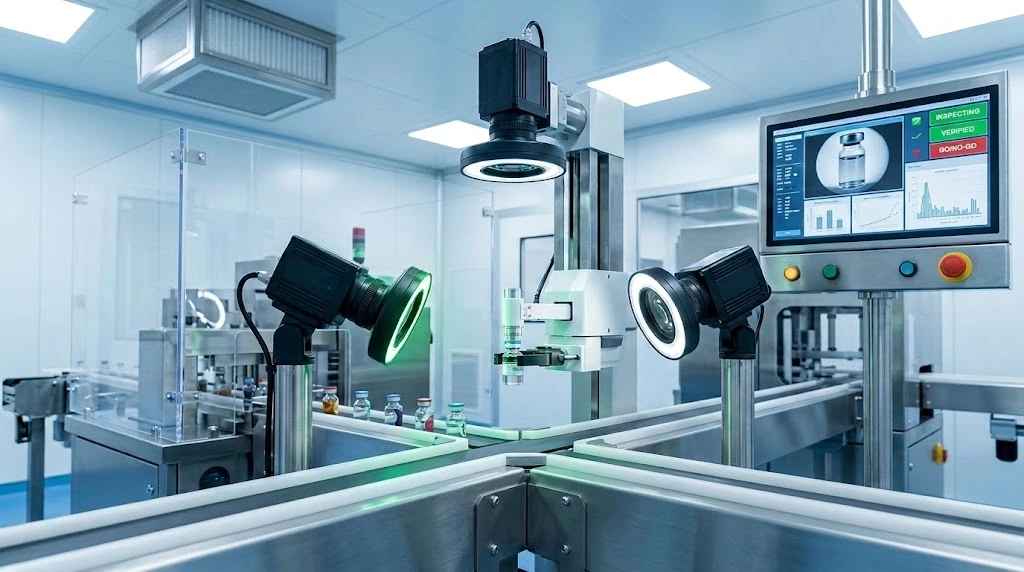
The technical architecture of these systems often involves multiple cameras positioned at different angles to provide a 360-degree view of the product. Lighting is also a critical component, as specific wavelengths can be used to highlight certain features or detect contaminants that are invisible under normal light. For example, UV fluorescence can be used to identify residual cleaning agents on equipment, while infrared imaging can detect moisture levels in tablets. The integration of these various modalities into a single, unified vision platform is a key challenge for engineers. The data from these cameras is processed in real-time using edge computing, allowing for instantaneous ‘go/no-go’ decisions on the production line. This speed is essential for maintaining the efficiency of high-speed manufacturing processes.
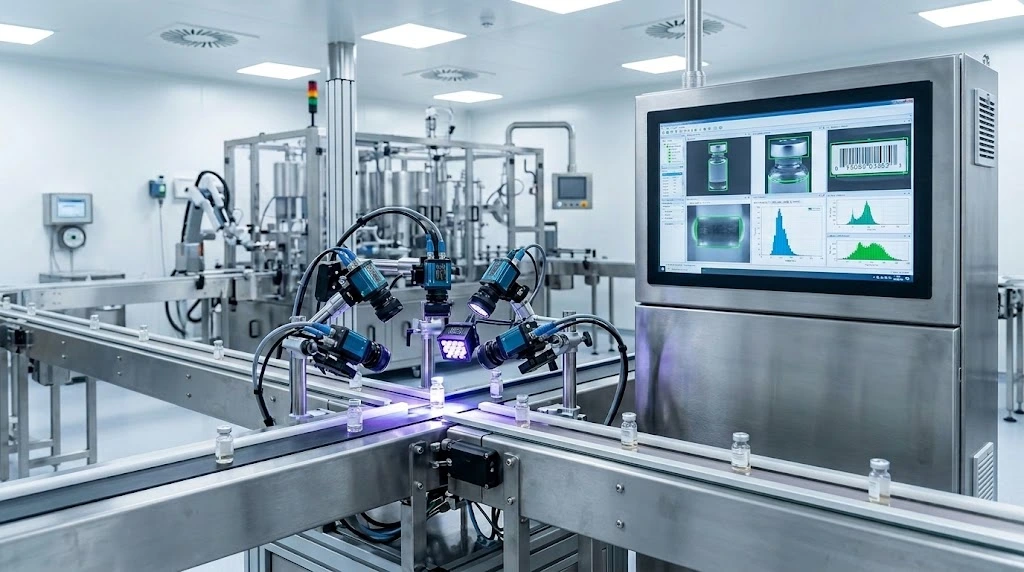
Moreover, the use of ‘deep learning’ in computer vision has significantly improved the ability of these systems to handle the inherent variability of pharmaceutical products. Traditional rule-based algorithms often struggle with subtle differences in appearance, but deep learning models can be trained on thousands of images to recognize the difference between a minor cosmetic flaw and a major quality issue. This ‘human-like’ level of perception is what allows computer vision to replace manual inspection in even the most complex manufacturing scenarios. The expertise gained in training these models is now being applied to other areas of the pharmaceutical industry, such as the analysis of high-content screening images in drug discovery and the interpretation of medical imaging in clinical practice.
Industry Adoption of AI-Driven Visual Inspection
A significant milestone in the adoption of this technology was reached in early 2025, when Novartis announced a major partnership with a leading vision technology provider to implement AI-driven visual inspection systems across its personalized medicine manufacturing network. The initiative focuses on the use of advanced computer vision to verify personalized drug batches, particularly for complex cell and gene therapies where traditional quality control methods are difficult to apply. This move by Novartis underscores the critical role that automated inspection plays in the commercialization of individualized treatments and serves as a powerful indicator of the industry’s commitment to building a more reliable and efficient manufacturing base.
The shift toward automated verification is intrinsically linked to the broader goals of precision medicine. As the industry scales, the ways in which blockchain and AI enabling truly personalized drug testing ensure data integrity become the perfect companion for the physical verification of drug batches. By providing a more reliable and efficient manufacturing process, computer vision allows for the development of highly targeted therapies that can be delivered to patients more quickly and safely. For instance, the transition toward multi-omics data integration is bolstered by upstream analytical breakthroughs, such as optical genome mapping in rare disease diagnostics to pinpoint patient-specific structural variants, which pair directly with the high-quality, verified data provided by computer vision, creating a more holistic understanding of the patient’s treatment journey. This systemic approach ensures that the manufacturing of new therapies is not just a process of physical assembly, but a data-driven journey that optimizes the chances of success for every individual patient. The synergy between high-precision manufacturing and advanced analytics is the engine that will power the next generation of medical breakthroughs.
Computer Vision Strengthens Pharmaceutical Supply Chains
Furthermore, the integration of computer vision is driving a revolution in the way pharmaceutical companies manage their supply chains. By providing real-time visibility into the status and quality of every batch, these systems allow for more proactive risk management and faster response to potential issues. The data generated by computer vision can also be used to optimize the manufacturing process, identifying opportunities to improve efficiency and reduce waste. This “intelligence-led” approach to production is essential for the long-term sustainability of the personalized medicine sector, as it allows for the high-volume production of individualized treatments at a manageable cost. The digitalization of the cleanroom is thus a vital component of the broader effort to make precision medicine a reality for everyone.
In the warehouse and logistics space, computer vision is also being used to automate the picking and packing of personalized medications. Systems can automatically identify and sort individual doses, ensuring they are placed in the correct shipping container with the correct labeling. This reduces the risk of human error during the final stages of the delivery process, which is just as important as the manufacturing stage. The use of ‘optical character recognition’ (OCR) and ‘optical character verification’ (OCV) allows the system to read and verify printed text on labels, such as patient names, dosages, and expiration dates. This end-to-end automated verification ensures the integrity of the product from the moment it is manufactured until it reaches the patient’s hands.
Vision-Guided Robotics Support Pharma 4.0
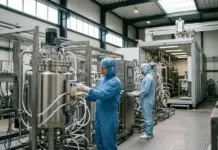
The intersection of computer vision and robotics is another burgeoning area of innovation. Automated guided vehicles (AGVs) and robotic arms equipped with vision systems can navigate complex cleanroom environments and perform delicate tasks that were previously only possible for humans. These ‘smart robots’ can identify and handle individual components, such as vials or syringes, with extreme precision, further reducing the risk of contamination and error. The synergy between vision-guided robotics and automated inspection is the ultimate expression of the ‘Pharma 4.0’ vision, where every aspect of the manufacturing process is digitized and optimized for maximum efficiency and safety. The influence of these technologies is transforming the pharmaceutical industry into a high-tech manufacturing powerhouse.
Engineering and Economic Considerations
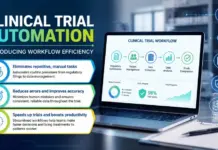
The technical implementation of these systems also requires a high degree of coordination between pharmaceutical companies, equipment manufacturers, and software developers. Building a computer vision system that can handle the unique challenges of the pharmaceutical environment—such as the need for extreme precision, high speed, and strict adherence to regulatory standards—is a significant engineering feat. Similarly, developing machine learning models that can accurately identify and classify a wide range of drug products and packaging defects is a key priority for the industry. The collaboration between these different sectors is essential for overcoming the technical hurdles and ensuring that the benefits of computer vision reach the manufacturing floor as quickly and safely as possible.
The economic case for the integration of these technologies is also becoming increasingly compelling. While the initial investment in computer vision systems can be substantial, the long-term savings associated with reduced errors, improved efficiency, and faster time-to-market are significant. Reducing the number of rejected batches and avoiding costly recalls can significantly lower the overall cost of drug production. Moreover, the improved safety and reliability of personalized treatments can lead to lower healthcare costs by reducing the number of adverse drug reactions and hospitalizations. The financial benefits of automated verification are thus a major driver of their adoption across the pharmaceutical landscape.
Standards and Future Developments in Computer Vision
Moreover, the role of international standards in the growth of the computer vision market in pharma is critical. As these systems become more widespread, there is a need for clear guidelines on validation procedures, data integrity, and algorithmic transparency. Global organizations like the International Society for Pharmaceutical Engineering (ISPE) are already working with industry partners to develop these standards, providing the regulatory certainty needed for large-scale investment. The transparency and accountability provided by these systems will be key to maintaining public trust in the pharmaceutical industry’s efforts to develop new and innovative manufacturing processes.
Looking ahead, the commitment to computer vision will be a defining characteristic of the personalized drug manufacturing landscape in the coming decades. The ongoing development of even more sophisticated image processing algorithms, including those capable of ‘self-learning’ and adapting to new products in real-time, will further improve the agility of manufacturing processes. The integration of 3D vision and spectral imaging will provide an even deeper level of analysis, allowing for the detection of internal defects and chemical inconsistencies that are currently invisible.
The expansion of global digital manufacturing networks, supported by cloud-based vision platforms, will enable the remote monitoring and optimization of production sites around the world. This will allow pharmaceutical companies to maintain the highest standards of quality and safety across their entire global footprint, ensuring that every patient receives a product that is verified to the same rigorous standard. By embracing these innovations, the pharmaceutical community is not only enhancing the safety and quality of its products but also building a more resilient and efficient foundation for the future of medicine. The fusion of high-precision optics and advanced analytics, embodied in the rise of computer vision, is the defining vision for the medicine of the 21st century. The journey from a raw ingredient to a verified treatment is a collective effort that will require the participation of stakeholders across the entire optics and automation sectors.
Workforce Development for Automated Inspection
Finally, the role of workforce development in the transition to automated inspection cannot be overstated. As computer vision becomes more prevalent, there is a need for a new generation of technicians and engineers who can design, operate, and maintain these complex systems. By investing in the human capital needed to support these technologies, the industry can ensure that the full benefits of computer vision are realized. This investment in training is as important as the investment in the technology itself, as the long-term success of automated verification depends on the expertise and dedication of the people who work with it every day. The pharmaceutical industry’s transition to a high-tech, data-driven future is a journey that will require the participation of everyone from the shop floor to the boardroom.
References
- Novartis Implements AI-Driven Visual Inspection for Personalized Medicine Manufacturing
- Computer Vision in Pharmaceutical Manufacturing: Enhancing Quality and Safety
- Automated Inspection Systems for Cell and Gene Therapy Batches
- The Role of Machine Learning in Pharmaceutical Quality Control
- Digitalization of the Cleanroom: The Future of Drug Production
