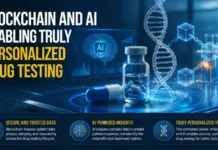
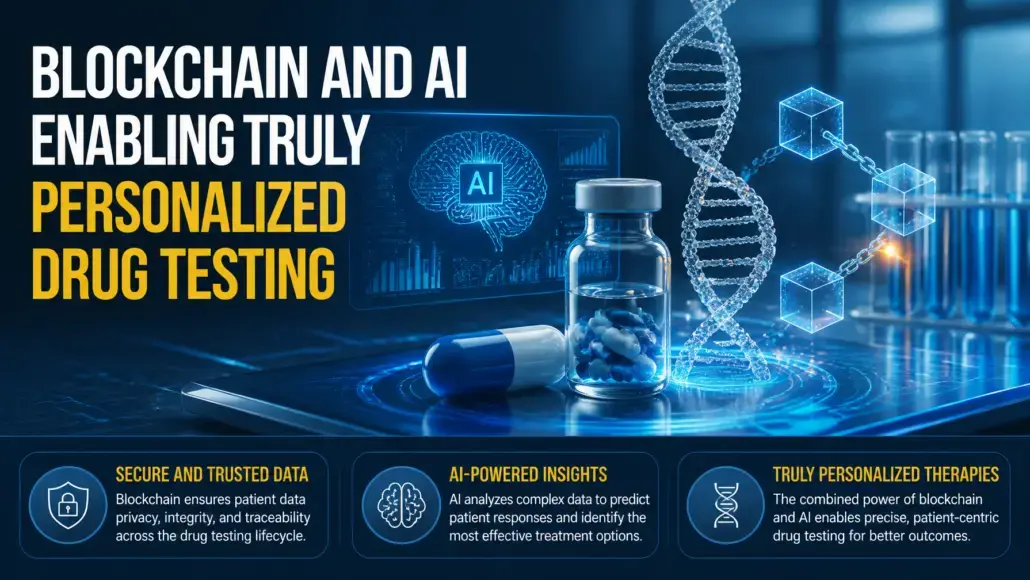
The pharmaceutical industry is at the threshold of a new era in therapeutic development, driven by the convergence of distributed ledger technology and advanced machine learning. As the focus of medicine shifts from broad-based treatments to highly individualized therapies, the complexity of managing and analyzing patient data has increased exponentially. The integration of blockchain and AI is proving to be the essential foundation for truly personalized drug testing, providing a secure, transparent, and highly efficient framework for conducting clinical trials and monitoring patient responses in real-time. Pharma Advancement notes that by ensuring the absolute integrity of data while simultaneously unlocking new insights through automated analysis, these technologies are accelerating the delivery of life-saving medications to the patients who need them most.
One of the primary challenges in the move toward personalized medicine is the inherent vulnerability and fragmentation of health data. Traditional methods of data management often lead to silos, where critical information is trapped within individual institutions or departments, making it difficult to achieve a holistic view of a patient’s molecular profile. Blockchain technology addresses this issue by creating a decentralized and immutable record of every data point, from the initial genetic screening to the final clinical outcome. This ensures that the data used for personalized drug testing is accurate, verifiable, and protected from unauthorized access or manipulation. The decentralized nature of the ledger means that no single entity has control over the entire dataset, significantly reducing the risk of a single point of failure or a targeted cyber-attack. Furthermore, the use of smart contracts—self-executing code stored on the blockchain—can automate the consent process, giving patients greater control over their information while ensuring that researchers have access to the data they need to drive innovation. These contracts can be programmed to trigger specific actions, such as the release of data only after certain conditions are met, further enhancing the security and transparency of the research process.
Architecture, Zero-Knowledge Privacy, and Strategic Adoption
The technical architecture of these blockchain systems often involves a combination of ‘on-chain’ and ‘off-chain’ storage. While the immutable record of transactions and consents is stored directly on the blockchain (on-chain), the massive raw datasets, such as genomic sequences or high-resolution medical images, are typically stored in secure, encrypted databases (off-chain). A cryptographic ‘hash’ of the off-chain data is then stored on the blockchain, providing a link that ensures the data has not been tampered with. This hybrid approach allows for the high-speed processing of large volumes of data while maintaining the security and auditability that are the hallmarks of blockchain technology. The expertise gained in designing these complex systems is now being applied to other areas of healthcare, such as electronic health records (EHR) and supply chain management.

Furthermore, the integration of ‘Zero-Knowledge Proofs’ (ZKPs) is a burgeoning area of research in pharmaceutical blockchain. ZKPs allow one party to prove to another that a statement is true without revealing any information beyond the validity of the statement itself. In the context of personalized drug testing, this could allow a researcher to verify that a patient meets the criteria for a clinical trial without ever seeing their raw genetic data. This provides a revolutionary level of privacy protection, addressing one of the major barriers to patient participation in genomic research. The ability to conduct data-driven discovery while maintaining absolute patient anonymity is a major milestone for the industry.
A major development in this field was highlighted in late 2024, when Roche announced a significant expansion of its digital health portfolio, focusing on the integration of AI-driven analytics and blockchain-based data sharing to enhance personalized healthcare. The initiative, which involves collaborations with several leading tech firms, aims to create a secure ecosystem where genomic and clinical data can be shared and analyzed at scale, facilitating the rapid identification of optimal drug candidates for specific patient populations. This strategic move by Roche underscores the critical role that data-centric technologies play in the future of personalized drug testing and serves as a powerful indicator of the industry’s commitment to building a more transparent and patient-centered energy system.
AI-Driven Analytics: Predictive Modeling, Federated Learning, and Molecular Design
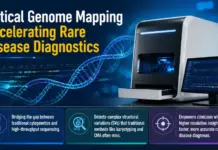
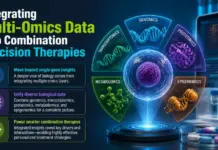
The shift toward secure and automated testing is intrinsically linked to the broader goals of precision medicine. As the precision landscape expands, the role of optical genome mapping accelerating rare disease diagnostics becomes a critical input for these secure databases, providing the high-resolution structural data needed for personalized trials. By providing a more reliable and comprehensive data foundation, blockchain and AI allow for the development of highly targeted clinical trials that can identify subtle variations in drug efficacy and safety across diverse populations. For instance, the transition toward multi-omics data integration is bolstered by the high-quality, secure data provided by blockchain, creating a more holistic understanding of the patient’s molecular biology. This systemic approach ensures that the development of new therapies is not just a process of trial and error, but a data-driven journey that optimizes the chances of success for every individual patient.
Furthermore, the integration of AI is driving a revolution in the way researchers analyze the massive datasets generated by modern clinical trials. Machine learning algorithms, particularly deep learning models, can identify complex patterns and correlations that are invisible to human analysts, allowing for the discovery of new biomarkers and the prediction of patient responses with unprecedented accuracy. This predictive power is essential for the success of personalized drug testing, as it allows clinicians to tailor treatments to the unique genetic and molecular profile of each patient, minimizing the risk of adverse reactions and maximizing the potential for a positive outcome. The use of ‘Natural Language Processing’ (NLP) to extract valuable insights from unstructured data, such as doctor’s notes and scientific literature, is another powerful application of AI in the pharmaceutical sector.
The development of ‘Federated Learning’ (FL) is also a critical trend. FL allows AI models to be trained on decentralized datasets without the need to move the raw data to a central location. This means that multiple hospitals or research centers can collaborate on a single AI project while keeping their patient data secure and private. The blockchain can be used to manage the contributions of each participant and ensure the integrity of the resulting model. This collaborative, privacy-preserving approach to AI training is a major step forward for the industry, enabling the creation of more robust and accurate models than would be possible using data from a single institution. The synergy between blockchain and federated learning is a powerful model for the future of global medical research.
Moreover, the role of AI in ‘Generative Design’ for new drug molecules is a transformative application. By using AI to simulate the interactions between potential drug candidates and specific biological targets, researchers can identify promising molecules much faster and more cheaply than through traditional laboratory methods. This ‘in-silico’ approach to drug discovery is particularly valuable for personalized medicine, as it allows for the design of therapies that are tailored to the unique molecular characteristics of a specific disease or patient population. The integration of AI-driven drug design with blockchain-secured clinical data creates a powerful end-to-end framework for the development of personalized therapies. The fusion of digital simulation and real-world data is the new frontier of pharmaceutical innovation.
Technical Coordination, Economic Impact, and Regulatory Standards
The technical implementation of these technologies also requires a high degree of coordination between pharmaceutical companies, healthcare providers, and technology developers. Building a secure and scalable blockchain infrastructure that can handle the massive volumes of data generated by global clinical trials is a significant engineering challenge. Similarly, developing AI models that are both accurate and explainable—meaning their decision-making process can be understood and verified by humans—is a key priority for the industry. The collaboration between these different sectors is essential for overcoming the technical hurdles and ensuring that the benefits of blockchain and AI reach the clinical setting as quickly and safely as possible.
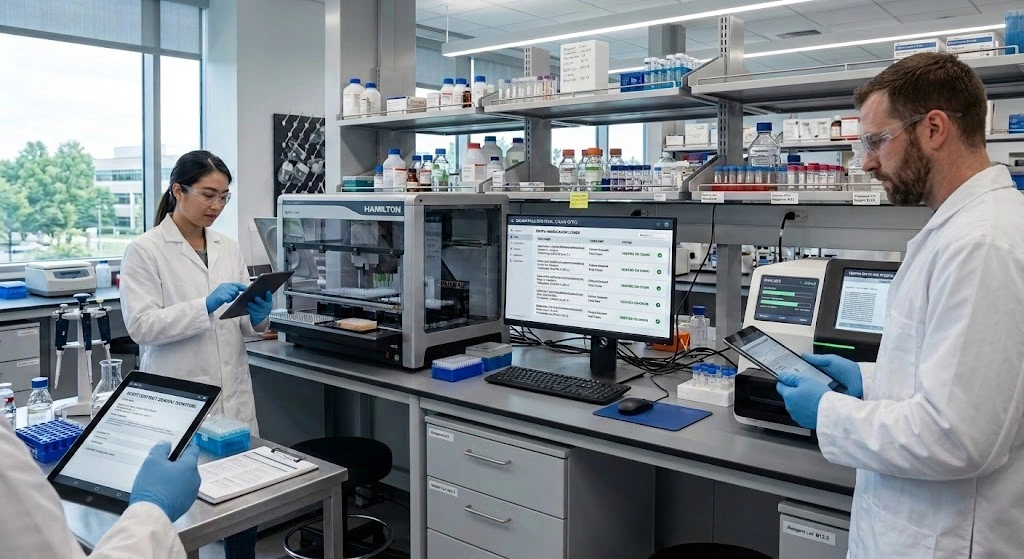
The economic case for the integration of these technologies is also becoming increasingly compelling. While the initial investment in blockchain and AI can be substantial, the long-term savings associated with more efficient clinical trials and better patient outcomes are significant. Reducing the time and cost of drug development can significantly lower the overall price of new medications, making them more accessible to patients around the world. Moreover, the improved safety and efficacy of personalized treatments can lead to lower healthcare costs by reducing the number of ineffective treatments and hospitalizations. The financial benefits of secure and automated testing are thus a major driver of their adoption across the pharmaceutical landscape.
Moreover, the role of international standards in the growth of the blockchain and AI market in pharma is critical. As these technologies become more widespread, there is a need for clear guidelines on data interoperability, privacy protection, and algorithmic accountability. Global organizations like the World Health Organization (WHO) and the International Council for Harmonisation (ICH) are already working with industry partners to develop these standards, providing the regulatory certainty needed for large-scale investment. The transparency and accountability provided by these systems will be key to maintaining public trust in the pharmaceutical industry’s efforts to develop new and innovative treatments.
Long-Term Trajectory and Multidisciplinary Collaboration
Looking ahead, the commitment to blockchain and AI will be a defining characteristic of the personalized drug testing landscape in the coming decades. The ongoing development of even more sophisticated machine learning models, including those capable of self-correction and continuous learning, will further improve the accuracy and reliability of clinical predictions. The expansion of global decentralized data networks, supported by next-generation communication technologies like 5G and satellite internet, will enable the real-time monitoring of patients in even the most remote locations.
The implementation of robust regulatory frameworks, including international standards for algorithmic bias detection and data sovereignty, will be essential for maintaining public trust and ensuring that the benefits of these technologies are shared fairly. By embracing these innovations, the pharmaceutical community is not only accelerating the pace of discovery but also building a more secure and equitable foundation for the future of medicine. The fusion of secure data management and advanced analytics, embodied in the rise of blockchain and AI, is the defining vision for the medicine of the 21st century. The journey from digital data to clinical cure is a collective effort that will require the participation of stakeholders across the entire healthcare and technology sectors.
Finally, the importance of fostering a culture of interdisciplinary collaboration cannot be overstated. The successful integration of blockchain and AI requires the combined expertise of computer scientists, data analysts, molecular biologists, and clinical physicians. By breaking down the traditional silos between these disciplines, the industry can create a more agile and innovative environment for the development of personalized therapies. This collaborative model is already being adopted by leading research institutions and pharmaceutical companies, serving as a blueprint for the future of medical innovation. The long-term success of personalized drug testing will depend on our ability to integrate the best of human expertise with the power of digital technology.
References
-
Roche Expands Digital Health Portfolio with Focus on AI and Blockchain for Personalized Medicine
-
Roche and Microsoft Partner on Secure Data Platforms for Healthcare
-
Blockchain in Pharmaceuticals: Ensuring Data Integrity in Clinical Trials
-
The Role of AI in Accelerating Drug Discovery and Personalized Testing
-
Smart Contracts and Patient Consent in the Era of Personalized Medicine