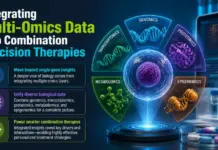
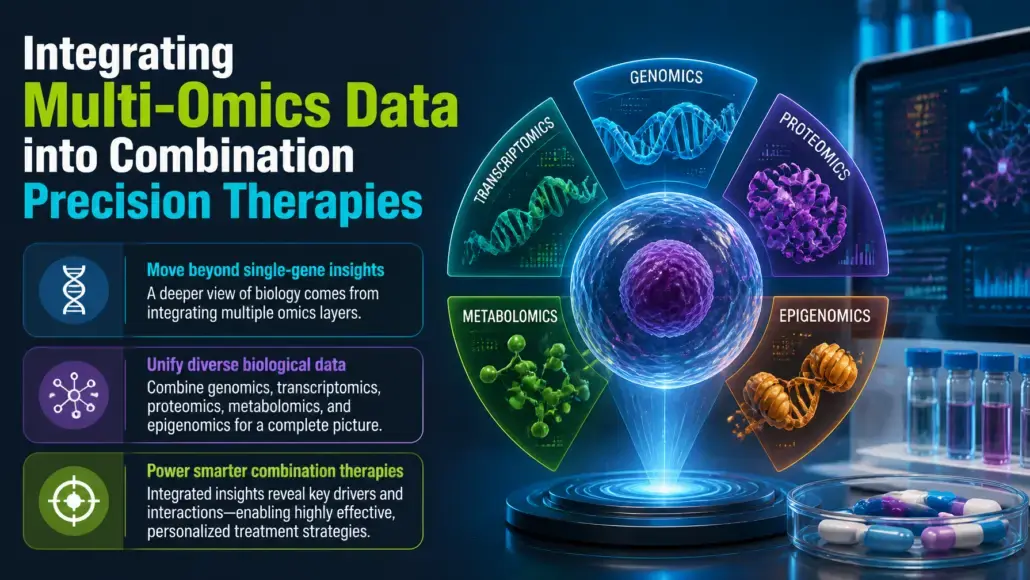
The pharmaceutical industry is moving beyond single-gene diagnostics toward a more comprehensive understanding of human biology, driven by the rapid maturation of multi-omics data integration. While genomics has provided the foundational blueprint for precision medicine, it is the integration of diverse biological datasets, including proteomics, transcriptomics, metabolomics, and epigenomics, that is truly unlocking the potential for highly effective combination therapies. By synthesizing these multiple layers of molecular information, researchers can gain a holistic view of the disease process, identifying not just the genetic drivers but also the downstream biological consequences and the complex interactions that lead to therapeutic resistance. This systemic approach is simplifying the development of personalized treatments for complex diseases like cancer and autoimmune disorders, marking a new frontier in the quest for medical breakthroughs.
Multi-omics integration involves the use of advanced computational tools to analyze and correlate data from different biological levels. For example, combining genomic data (what could happen) with transcriptomic data (what is happening) and proteomic data (what is physically occurring in the cell) provides a much clearer picture of the disease state than any single dataset could offer. This is particularly valuable for developing combination therapies, where multiple drugs are used to target different pathways simultaneously. By understanding how these pathways interact at multiple molecular levels, researchers can design more effective drug combinations and identify the specific patient populations that are most likely to benefit from them. This level of precision is essential for overcoming the inherent heterogeneity of complex diseases and improving the overall success rate of clinical trials.
Computational Challenges and Spatial Frontiers
The technical complexity of integrating these datasets arises from the different scales and formats of the data. Genomic data consists of sequence information, while proteomic data often involves intensity measurements from mass spectrometry, and metabolomic data represents the concentration of small molecules. Reconciling these different data types requires sophisticated ‘data fusion’ techniques, such as Bayesian networks, kernel-based methods, and deep learning architectures like autoencoders. These algorithms are designed to find common underlying signals across the different ‘omic’ layers, filtering out the noise that is inherent in each individual measurement. The expertise gained in developing these mathematical frameworks is a key component of the data science revolution in biology.
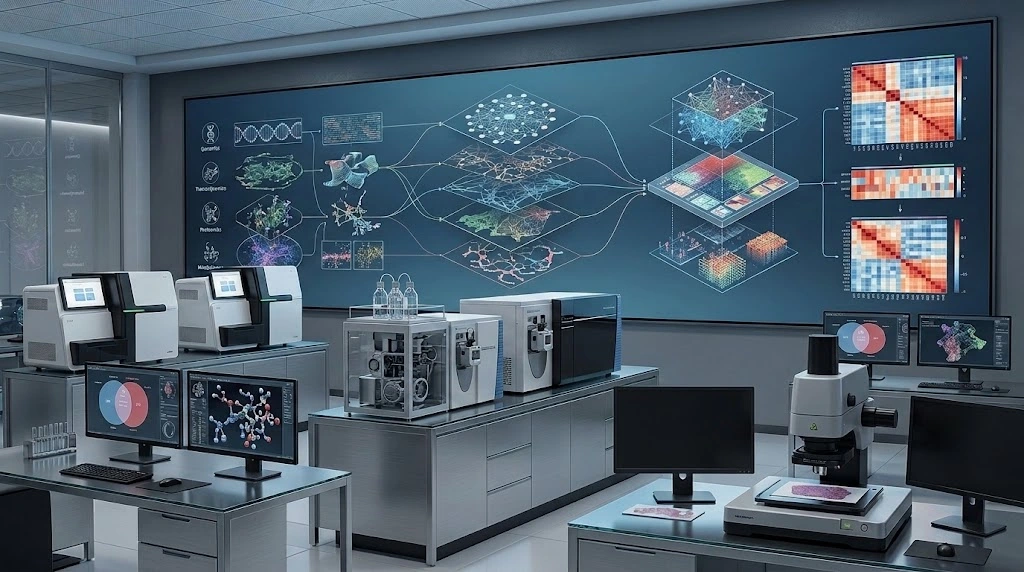
Furthermore, the rise of ‘spatial omics’ is adding a new dimension to multi-omics integration. Traditionally, omics analysis required the destruction of the tissue sample, losing the information about where each molecule was located. However, new technologies allow for the mapping of RNA and proteins directly within the tissue context, providing a ‘molecular map’ of the disease microenvironment. Integrating this spatial information with traditional multi-omics data provides an even deeper understanding of how cells interact with each other and with their surroundings. This is particularly relevant for understanding the ‘tumor microenvironment’ in cancer, where the spatial organization of immune cells and cancer cells can determine the outcome of a therapy. The synergy between spatial analysis and multi-omics is the next major frontier in precision medicine.
A significant step forward in this field was reached in October 2022 and further expanded throughout 2024, when Illumina and AstraZeneca announced a strategic research collaboration to accelerate drug target discovery by leveraging multi-omics data integration. The partnership combines Illumina’s industry-leading sequencing technologies and multi-omics capabilities with AstraZeneca’s extensive drug development expertise and genomic databases. By working together to identify new genetic variants and biological pathways that contribute to human disease, the two companies aim to improve the efficiency of the pharmaceutical pipeline and deliver more effective precision therapies to patients. This collaboration underscores the critical role that large-scale data integration plays in the future of drug discovery and serves as a powerful testament to the industry’s commitment to building a more data-driven and collaborative research ecosystem.
Expanding the Clinical Scope: Microenvironment to Real-Time Monitoring
The shift toward multi-omics integration is intrinsically linked to the broader goals of precision medicine. As manufacturing becomes more flexible, the strategy of scaling disposable tech in small-batch precision manufacturing provides the necessary agility to produce the complex combination therapies identified through omics analysis. By providing a more comprehensive and accurate molecular profile, multi-omics allows for the development of highly personalized treatment plans and the identification of new therapeutic targets. For instance, the use of blockchain and AI to ensure the integrity and security of these massive datasets is essential for maintaining patient trust and facilitating global research collaboration. Similarly, the integration of multi-omics data with real-world clinical outcomes is creating a powerful feedback loop that allows for the continuous optimization of personalized therapies. This systemic approach ensures that the journey from molecular discovery to clinical cure is a data-driven process that maximizes the chances of success for every individual patient.
Furthermore, the integration of multi-omics is driving a revolution in the way researchers understand the role of the microbiome and the environment in human health. By analyzing the metabolic products of the trillions of microbes that inhabit the human body, scientists can gain new insights into how the microbiome influences disease progression and drug response. Similarly, the study of ‘exposomics’—the measure of all the exposures of an individual in a lifetime and how those exposures relate to health—is providing a new layer of information that can be integrated with molecular data to provide a more holistic understanding of disease risk and resilience. The expertise gained in managing and analyzing these diverse datasets is a vital component of the broader effort to build a more comprehensive and proactive healthcare system.
The role of ‘liquid biopsies’ in multi-omics integration is also a critical trend. By analyzing the circulating DNA, RNA, and proteins in a simple blood sample, researchers can monitor the molecular state of a patient in real-time, without the need for invasive tissue biopsies. Integrating this longitudinal data with the patient’s baseline multi-omics profile allows for the early detection of treatment resistance and the rapid adjustment of combination therapies. This ‘dynamic’ approach to precision medicine is essential for managing chronic diseases that evolve over time. The technical challenge of accurately detecting and quantifying these low-abundance molecules in the blood is significant, but the potential rewards for patient care are immense. The influence of liquid biopsy technology is transforming the clinical management of complex diseases.
Moreover, the integration of ‘single-cell omics’ is providing an unprecedented level of resolution. Instead of analyzing a bulk tissue sample, single-cell techniques allow researchers to see the molecular profile of every individual cell. This reveals the ‘hidden diversity’ within a tissue, identifying rare cell populations that may be driving disease or responding differently to treatment. Integrating single-cell data with bulk multi-omics measurements provides a multi-scale view of biology, from the individual cell to the entire organism. This is the ultimate expression of the holistic vision, where every level of biological organization is accounted for and integrated. The synergy between single-cell resolution and multi-omics breadth is the hallmark of modern molecular biology.
Infrastructure, Economics, and Standardization
The technical implementation of multi-omics integration also requires a high degree of coordination between data scientists, biologists, and clinicians. Building a computational infrastructure that can handle the massive volumes of data generated by multi-omics research—and that can accurately integrate these different datasets while maintaining data quality—is a significant engineering challenge. Similarly, developing new algorithms that can identify meaningful patterns and correlations across multiple biological levels is a key priority for the industry. The collaboration between these different sectors is essential for overcoming the technical hurdles and ensuring that the benefits of multi-omics integration reach the clinical setting as quickly and safely as possible.
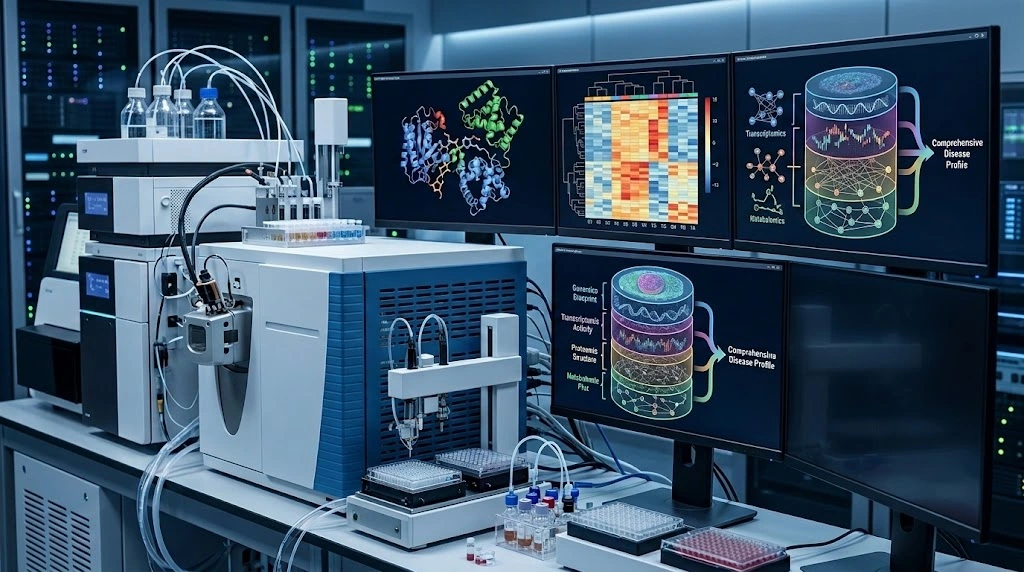 The economic case for the integration of these technologies is also becoming increasingly compelling. While the cost of generating and analyzing multi-omics data can be significant, the long-term savings associated with more efficient drug discovery and better patient outcomes are substantial. Reducing the failure rate of clinical trials by identifying the most promising drug candidates and patient populations can significantly lower the overall cost of drug development. Moreover, the improved efficacy and safety of combination therapies can lead to lower healthcare costs by reducing the number of ineffective treatments and hospitalizations. The financial benefits of multi-omics data integration are thus a major driver of their adoption across the pharmaceutical landscape.
Moreover, the role of international standards in the growth of the multi-omics market is critical. As these technologies become more widespread, there is a need for clear guidelines on data formatting, metadata standards, and algorithmic transparency. Global organizations like the Global Alliance for Genomics and Health (GA4GH) are already working with industry partners to develop these standards, providing the regulatory certainty needed for large-scale investment. The transparency and accountability provided by these systems will be key to maintaining public trust in the pharmaceutical industry’s efforts to develop new and innovative treatments.
The Future of Precision Medicine and Human Capital
Looking ahead, the commitment to multi-omics data integration will be a defining characteristic of the precision therapy landscape in the coming decades. The ongoing development of even more sensitive and high-throughput multi-omics assays, including those based on next-generation mass spectrometry and single-molecule sequencing, will further improve the performance and reduce the cost of molecular analysis. The integration of spatial omics and single-cell analysis into routine clinical practice will provide a new level of diagnostic and therapeutic precision for every patient.
The expansion of global molecular databases, supported by international data-sharing agreements and secure cloud platforms, will enable the meta-analysis of millions of patient profiles, identifying even the rarest biological patterns and therapeutic responses. By embracing these innovations, the pharmaceutical community is not only unlocking the mysteries of human biology but also building a more resilient and effective foundation for the future of medicine. The fusion of diverse molecular datasets and advanced analytics, embodied in the rise of multi-omics data integration, is the defining vision for the medicine of the 21st century. The journey from a massive dataset to a targeted cure is a collective effort that will require the participation of stakeholders across the entire data science and medical sectors.
Finally, the importance of fostering a new generation of ‘bilingual’ researchers who are equally comfortable in the worlds of biology and computer science cannot be overstated. As multi-omics becomes the new standard, the demand for bioinformaticians and computational biologists will continue to grow. By investing in the education and training of these specialists, the healthcare community can ensure that the full potential of multi-omics data integration is realized. This investment in human capital is as important as the investment in the technology itself, as the long-term success of holistic precision medicine depends on the expertise and dedication of the people who work at the intersection of bits and biology. The biopharmaceutical industry’s transition to a data-driven, holistic future is a journey that will require the participation of everyone from the lab bench to the clinic.
References
-
Illumina Launches Strategic Research Collaboration with AstraZeneca to Accelerate Drug Target Discovery
-
Multi-Omics Data Integration in Pharmaceutical Research: A Holistic Approach
-
The Role of Proteomics and Metabolomics in Precision Medicine
-
Computational Tools for Multi-Omics Data Analysis and Integration
-
Global Alliance for Genomics and Health: Standardizing Multi-Omics Data Sharing