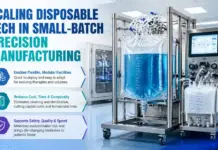
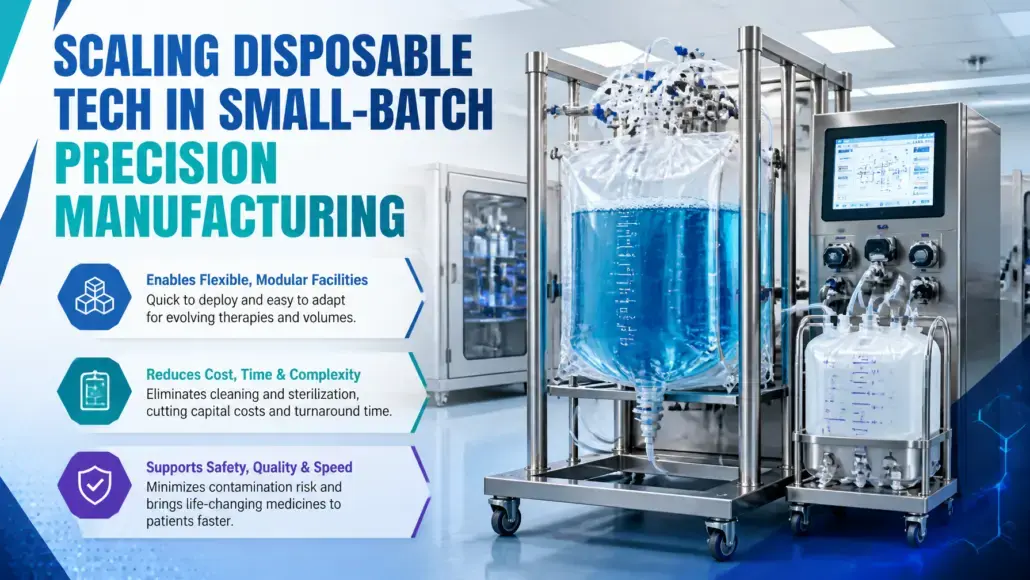
The production of precision medicines, particularly advanced therapies such as monoclonal antibodies and cell-based treatments, is driving a fundamental shift in pharmaceutical manufacturing infrastructure. Traditional stainless-steel facilities, designed for the high-volume production of block-buster drugs, are increasingly being replaced by more flexible, modular, and cost-effective systems. The process of scaling disposable technology, also known as single-use technology (SUT), has emerged as the cornerstone of this transition, providing the agility and safety needed to manufacture small, unique batches of individualized treatments. Pharma Advancement notes that by utilizing single-use bioreactors, bags, and connectors, manufacturers can significantly reduce the risk of cross-contamination, eliminate the need for costly and time-consuming cleaning-in-place (CIP) and sterilization-in-place (SIP) processes, and accelerate the delivery of new therapies to patients.
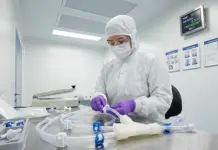
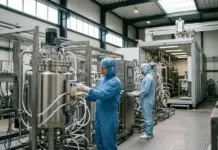
Single-use technology involves the use of disposable components made from high-purity plastics and polymers, which are pre-sterilized and designed for a single production run. This approach is particularly advantageous for the precision medicine sector, where the frequent changeover between different patient-specific batches can lead to significant downtime in traditional facilities. With SUT, the entire wetted surface of the production system is simply replaced after each run, allowing for a rapid and safe transition to the next batch. This not only improves operational efficiency but also reduces the capital expenditure required to build and maintain a new manufacturing site. Furthermore, the modular nature of disposable systems allows for the rapid scaling of production capacity, enabling manufacturers to respond quickly to changes in demand or the emergence of new therapeutic opportunities.
Materials Science, Sensor Integration, and Industry Investment
The technical variety of disposable components is vast, ranging from simple tubing and connectors to complex 2,000-liter bioreactors and automated chromatography systems. The plastics used must meet stringent requirements for biocompatibility, chemical resistance, and mechanical strength. Polyethylene (PE) and Ethylene Vinyl Acetate (EVA) are commonly used for storage bags, while more specialized polymers like Polyethersulfone (PES) are used for filtration membranes. The challenge for manufacturers lies in ensuring that these materials do not leach harmful substances into the drug product, a process known as extractables and leachables (E&L) testing. The expertise gained in characterizing these materials is a key component of the industry’s commitment to patient safety.
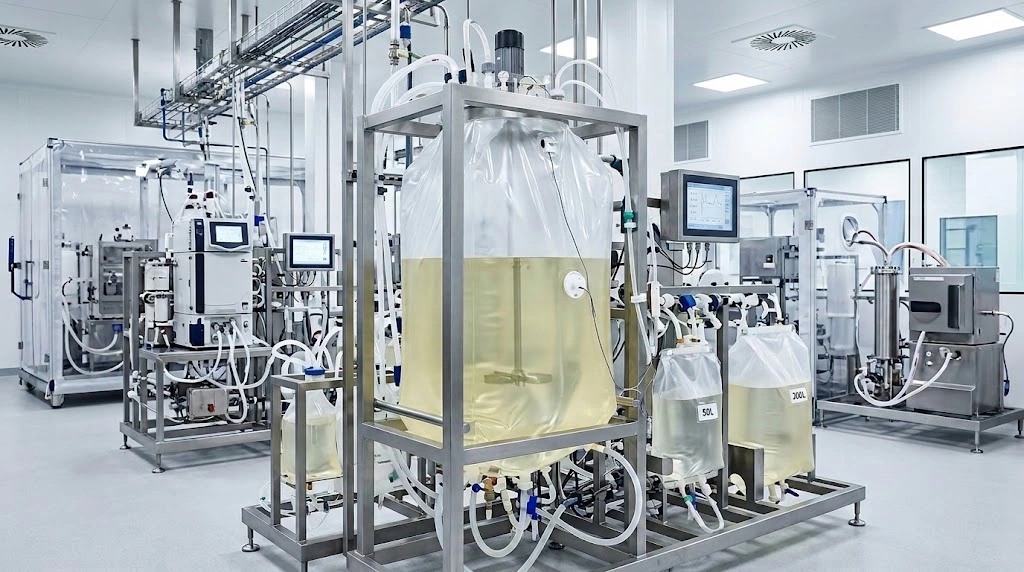
Furthermore, the integration of advanced sensors into disposable components is a major trend. Traditionally, monitoring parameters like pH, dissolved oxygen, and temperature in a single-use system required invasive probes that could compromise sterility. However, the development of non-invasive, ‘single-use’ sensors—such as optical fibers and electrochemical patches—allows for real-time monitoring without increasing the risk of contamination. These sensors can be pre-integrated into the bags and tubing, providing a ‘plug-and-play’ solution for process monitoring. The data generated by these sensors is essential for maintaining the high level of process control needed for precision biomanufacturing. This technical synergy between advanced materials and digital sensors is a hallmark of modern SUT.
A significant milestone in the expansion of this sector was reached in early 2025, when Sartorius announced a major investment in its global manufacturing network to support the growing demand for single-use bioprocessing solutions. The company, a leading provider of biopharmaceutical equipment, is expanding its production capacity for disposable bioreactors, bags, and filtration systems to help its customers accelerate the development and commercialization of new therapies. This strategic move by Sartorius underscores the critical role that scaling disposable technology plays in the future of biomanufacturing and serves as a powerful indicator of the industry’s commitment to building a more flexible and resilient production base.
Facility Architecture, Data Integration, and Technical Coordination
The shift toward disposable manufacturing is intrinsically linked to the broader goals of precision medicine. As production cycles accelerate, the benefits of using computer vision to verify personalized drug batches become even more apparent in a single-use environment where rapid changeover is key. By providing a more agile and cost-effective production process, SUT allows for the development of highly targeted therapies that can be delivered to patients more quickly and safely. For instance, the transition toward multi-omics data integration is bolstered by the high-quality, reproducible results provided by standardized disposable systems, creating a more consistent foundation for the manufacturing of complex biologics. This systemic approach ensures that the production of new therapies is not just a matter of mechanical assembly, but a data-driven process that optimizes the chances of success for every individual patient. The synergy between flexible manufacturing and advanced analytics is the engine that will power the next generation of medical breakthroughs.
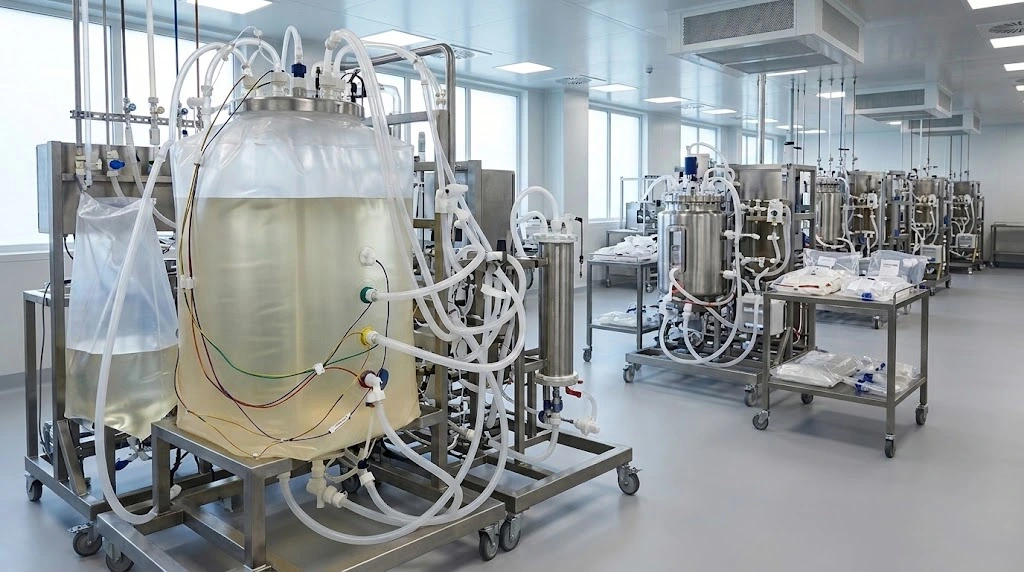
Furthermore, the integration of disposable technology is driving a revolution in the way pharmaceutical companies approach the design and construction of their manufacturing sites. “Ballroom” concepts, where modular, single-use systems are housed in large, flexible spaces, are replacing the traditional “fixed-pipe” architecture of the past. This allows for a more efficient use of space and facilitates the rapid reconfiguration of the production line as needs change. The data generated by integrated sensors within the disposable components can also be used to monitor the manufacturing process in real-time, providing valuable insights into product quality and yield. This “connected” approach to production is essential for the long-term sustainability of the personalized medicine sector, as it allows for the high-volume production of individualized treatments at a manageable cost.
The technical implementation of these systems also requires a high degree of coordination between pharmaceutical companies, equipment manufacturers, and material scientists. Developing disposable components that can withstand the rigorous conditions of bioprocessing—such as high temperatures, pressures, and chemical exposure—is a significant engineering feat. Similarly, ensuring the long-term stability and compatibility of the plastics used in these systems is a key priority for the industry. The collaboration between these different sectors is essential for overcoming the technical hurdles and ensuring that the benefits of single-use technology reach the manufacturing floor as quickly and safely as possible.
Economic Drivers and Global Standardization
The economic case for the integration of these technologies is also becoming increasingly compelling. While the ongoing cost of purchasing disposable components can be higher than the operational costs of a stainless-steel facility, the long-term savings associated with reduced capital expenditure, lower water and energy usage, and faster time-to-market are significant. Reducing the time needed for cleaning and validation can increase the annual throughput of a facility by up to 30%, significantly improving the overall return on investment. Moreover, the improved flexibility and reduced risk of cross-contamination can lead to lower costs by reducing the number of rejected batches and avoiding costly recalls. The financial benefits of scaling disposable technology are thus a major driver of their adoption across the biopharmaceutical landscape.
Moreover, the role of international standards in the growth of the single-use market is critical. As these systems become more widespread, there is a need for clear guidelines on material characterization, leachables and extractables testing, and component interoperability. Global organizations like the Bio-Process Systems Alliance (BPSA) are already working with industry partners to develop these standards, providing the regulatory certainty needed for large-scale investment. The transparency and accountability provided by these systems will be key to maintaining public trust in the pharmaceutical industry’s efforts to develop new and innovative manufacturing processes.
Future Outlook and Human Capital
Looking ahead, the commitment to disposable technology will be a defining characteristic of the precision biomanufacturing landscape in the coming decades. The ongoing development of even more sophisticated single-use sensors, including those capable of monitoring complex biological markers in real-time, will further improve the precision and reliability of manufacturing processes. The integration of fully automated, ‘closed-loop’ disposable production lines—where every step from cell culture to final fill-finish is performed in a sterile, single-use environment—will be the next major milestone for the industry.
The expansion of global bioprocessing networks, supported by standardized, modular SUT platforms, will enable the rapid transfer of technology and production capacity between different sites and regions. This will allow pharmaceutical companies to respond even more quickly to global health crises and to bring new, personalized treatments to patients wherever they are. By embracing these innovations, the pharmaceutical community is not only enhancing the efficiency and flexibility of its operations but also building a more resilient and sustainable foundation for the future of medicine. The fusion of modular design and advanced materials, embodied in the rise of scaling disposable technology, is the defining vision for the medicine of the 21st century. The journey from a molecular breakthrough to a scaled treatment is a collective effort that will require the participation of stakeholders across the entire materials and bioprocessing sectors.
Finally, the importance of talent development for the SUT-enabled facility cannot be overstated. As the technology becomes more prevalent, there is a need for a new generation of bioprocessing engineers and technicians who are fluent in the language of single-use systems. Pharma Advancement believes that by investing in the education and training needed to support these technologies, the industry can ensure that the full benefits of scaling disposable technology are realized. This investment in human capital is as important as the investment in the hardware itself, as the long-term success of agile biomanufacturing depends on the expertise and dedication of the people who work with it every day. The biopharmaceutical industry’s transition to a high-tech, flexible future is a journey that will require the participation of everyone from the cleanroom to the corporate headquarters.
References
-
Sartorius Expands Global Production Capacity for Single-Use Bioprocessing Solutions
-
The Shift to Single-Use Technology in Biopharmaceutical Manufacturing
-
Modular Biomanufacturing: The Agile Future of Drug Production
-
The Economic Case for Disposable Technology in Precision Medicine
-
Standardizing Single-Use Systems: The Role of the BPSA