








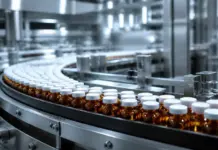

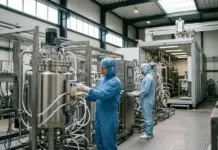
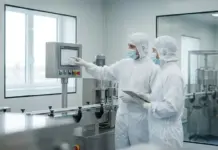
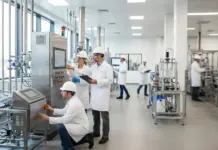
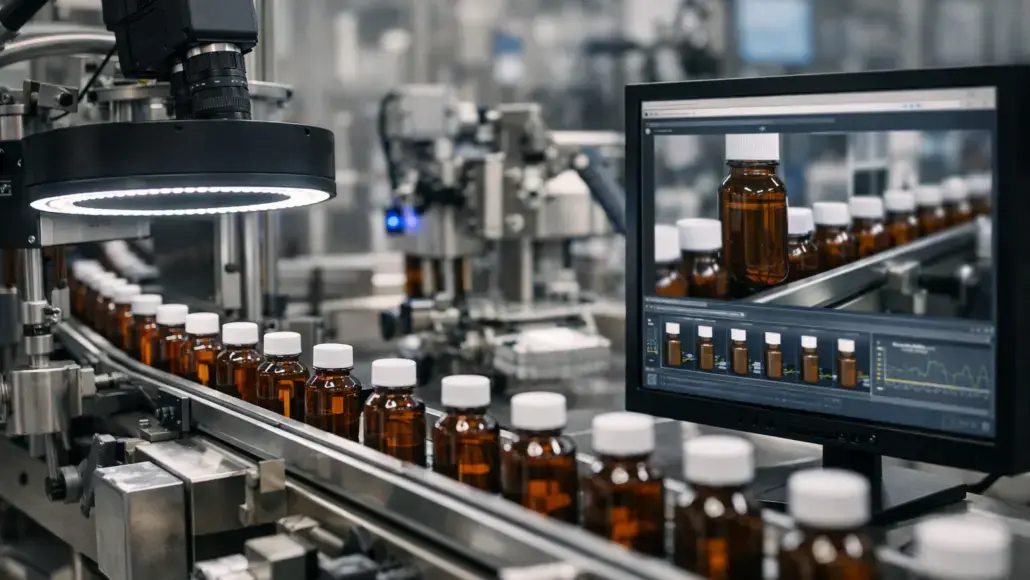
In the high-stakes world of pharmaceutical manufacturing, the margin for error is effectively zero. One of the most significant technological shifts is the widespread adoption of automated inspection systems for pharma packaging. These systems represent the pinnacle of quality assurance, utilizing a combination of high-speed optics, sophisticated lighting, and artificial intelligence to monitor every single unit that moves through a production line. In an environment where a mislabeled bottle or a cracked vial could have catastrophic consequences for patient safety and corporate reputation, the transition from manual sampling to 100% automated pharma packaging inspection has become a prerequisite for global market participation.
The complexity of modern drug delivery systems, from multi-component blister packs to pre-filled syringes, has rendered traditional human-led inspection methods obsolete. Humans are prone to fatigue, distraction, and subjective judgment, whereas automated pharma packaging inspection provides a consistent, objective, and tireless oversight 24 hours a day. The innovations we are seeing today go far beyond simple presence-absence checks. They involve the detailed analysis of surface textures, the verification of microscopic print codes, and the detection of sub-millimeter particulate matter inside sealed containers. This level of scrutiny ensures that only perfect products leave the facility, reinforcing the trust that patients and healthcare providers place in the pharmaceutical sector.
The Technological Core of Machine Vision Systems
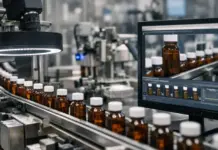
Pharma Advancement notes that at the heart of any automated pharma packaging inspection setup is the machine vision system. This technology consists of high-resolution cameras that can capture thousands of images per minute, coupled with specialized LED lighting that highlights specific features of the package. For instance, polarized light can be used to see through clear plastic to inspect the contents of a blister pocket, while ultraviolet light can reveal hidden security marks or track the placement of invisible adhesives. The data captured by these cameras is then processed by high-speed computers that compare each image against a golden master—a digital representation of the perfect product.
High-Speed Processing and Real-Time Decision Making
The true challenge of automated pharma packaging inspection lies in the speed of processing. Modern pharmaceutical lines can operate at rates exceeding 600 units per minute. At this speed, the inspection system has only a few milliseconds to capture an image, analyze it for dozens of potential defects, and send a signal to a rejection mechanism if an issue is found. This requires massive computational power and highly optimized algorithms. The latest advancements in Field Programmable Gate Arrays (FPGA) and dedicated Vision Processing Units (VPU) have enabled this real-time performance, ensuring that the inspection process never becomes a bottleneck for the overall production flow.
Advanced Defect Detection: From Cracks to Contaminants
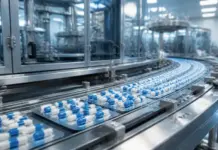
The variety of defects that an automated pharma packaging inspection machine can detect is staggering. In the world of glass vials, the system can identify stones (impurities in the glass), hairline cracks that could lead to breakage during transport, and checks (micro-fractures in the neck area). For blister packaging, the system ensures that every pocket is filled, that no pills are broken, and that the heat seal is continuous and secure. Furthermore, the detection of foreign particles—such as hair, dust, or metal fragments—is a critical safety feature. By utilizing liquid-in-vial rotation technology, where the vial is spun and then stopped, cameras can track the motion of suspended particles, distinguishing them from bubbles or static marks on the glass.
The Impact of Artificial Intelligence and Deep Learning
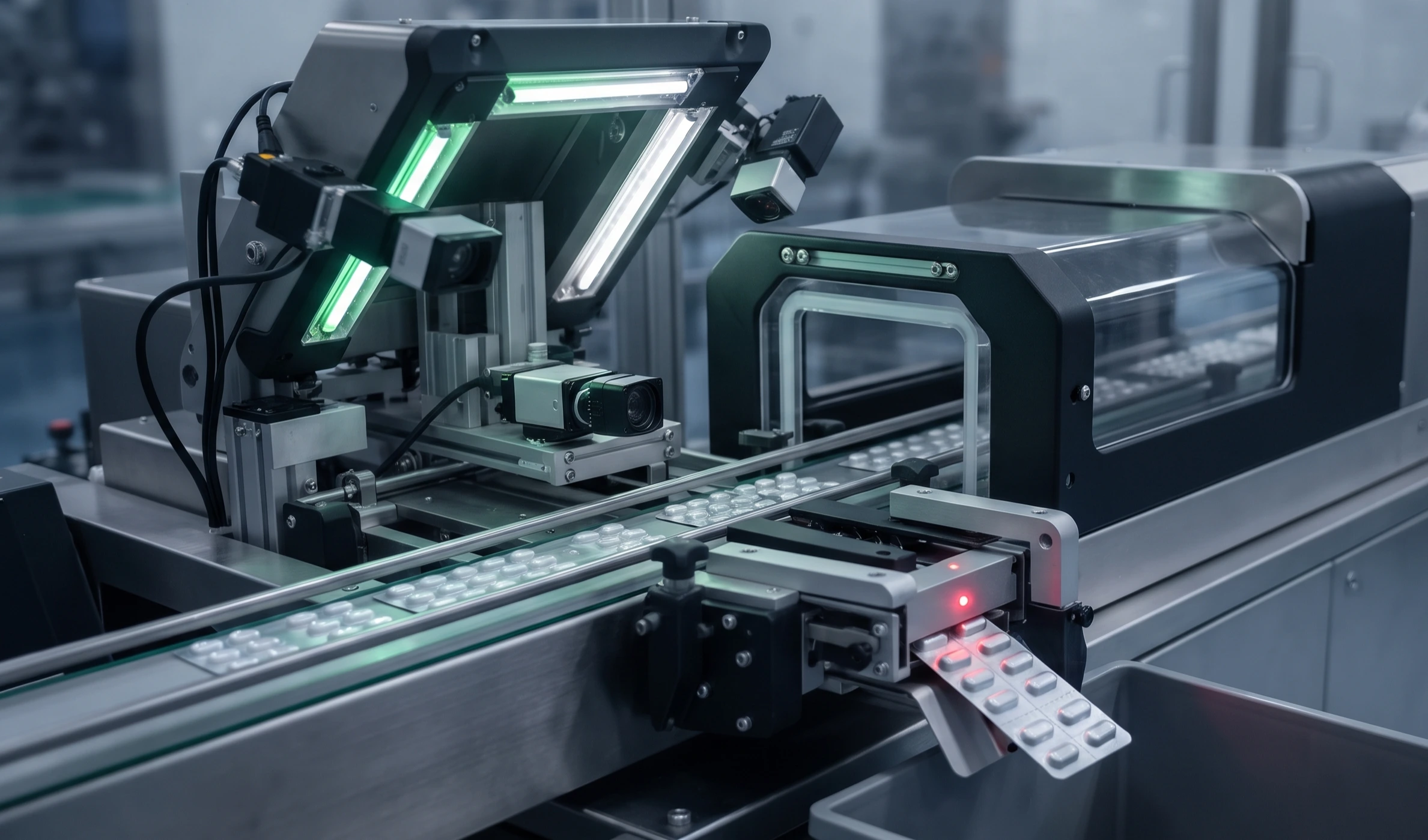
The most transformative recent advancement in automated pharma packaging inspection is the integration of Deep Learning (DL) and Artificial Intelligence (AI). Traditional vision systems rely on rule-based programming, where an engineer defines exactly what a defect looks like in terms of size, shape, and color. While effective for simple tasks, rule-based systems often struggle with pseudo-defects—harmless variations in the product that lead to false rejects. AI-driven systems, however, can be trained on thousands of examples of both good and bad products, allowing them to learn the nuances of acceptable variation.
Reducing False Rejects and Increasing Yield
False rejects are a significant cost for pharmaceutical manufacturers, as they lead to the disposal of perfectly good medicine. Deep learning algorithms are particularly adept at handling complex packaging materials, such as reflective foils or transparent films, where lighting can be unpredictable. By reducing the false reject rate from several percentage points to a fraction of a percent, AI-poweredautomated pharma packaging inspection systems significantly increase the overall yield and profitability of a production facility. As these algorithms become more refined, we are seeing systems that can even predict when a defect is likely to occur by identifying subtle trends in the production data, such as a gradual misalignment of a labeling head.
Variable Data Verification and Serialization
In the era of global serialization mandates, the verification of unique 2D barcodes and human-readable text is paramount. Automated pharma packaging inspection systems play a vital role in track-and-trace initiatives by reading and verifying every single serial number at the point of application. The system must ensure that the code is not only present but also legible and correctly linked to the batch database. This Optical Character Verification (OCV) is a complex task, especially when printing on curved surfaces or at high speeds. The integration of high-resolution sensors and advanced OCR software ensures that every package is a part of a transparent and verifiable global supply chain, a key requirement for compliance with the U.S. Drug Supply Chain Security Act (DSCSA) and similar international regulations.
Strategic Integration into the Smart Factory
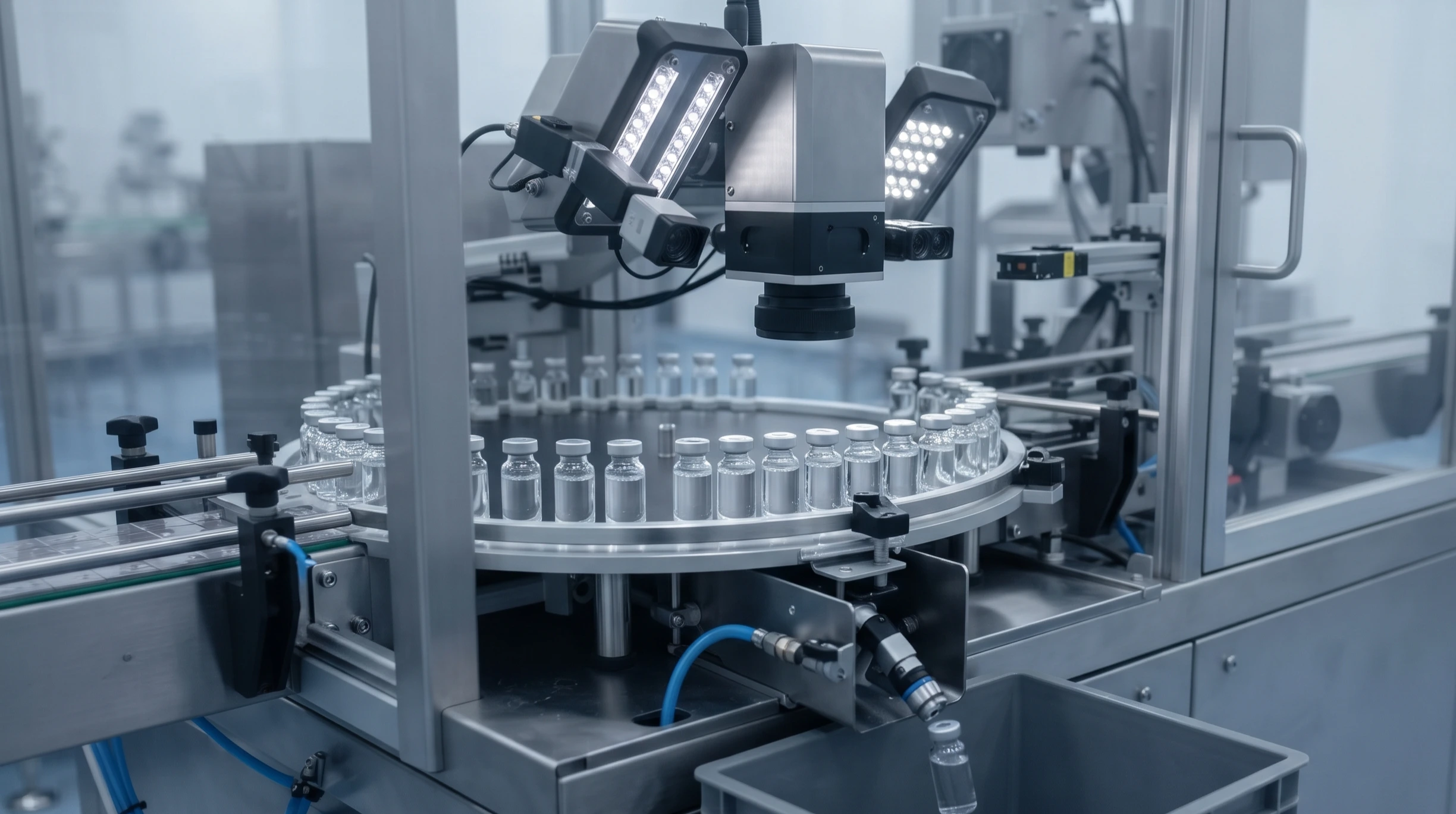
Automated inspection is not an isolated component. It is a vital source of data for the smart factory or Industry 4.0 ecosystem. Every defect detected by the system is logged and categorized, providing a real-time heat map of production quality. If the system starts to see a sudden increase in seal defects, it can automatically alert the maintenance team or even adjust the settings of the sealing machine to compensate. This closed-loop control system is the ultimate goal of modern pharma manufacturing, where the inspection system acts as the eyes of the entire production line.
Multi-Spectral and Hyperspectral Imaging
The next frontier in inspection technology is the use of multi-spectral and hyperspectral imaging. Unlike standard cameras that only see red, green, and blue light, hyperspectral sensors can see hundreds of narrow bands across the electromagnetic spectrum. This allows the system to identify the chemical composition of a product through its packaging. For example, a hyperspectral system could distinguish between two identical-looking white tablets to ensure that the wrong medication was not accidentally introduced into the packaging line. This level of chemical verification represents a significant leap forward in drug safety and anti-counterfeiting efforts.
The Role of Inspection in Sustainable Packaging
As the industry moves toward sustainable and recyclable packaging materials, automated pharma packaging inspection systems must adapt. New bio-polymers and paper-based blisters often have different visual characteristics than traditional plastics, requiring the recalibration of vision algorithms. Furthermore, the move toward thinner materials increases the risk of punctures and tears, making the role of the inspection system even more critical. By ensuring that sustainable packaging does not lead to a decrease in quality or an increase in waste, automated pharma inspection is helping to facilitate the green transition of the pharmaceutical sector.
Ensuring the Future of Patient Safety
In conclusion, the evolution of automated pharma packaging inspection systems for pharma packaging is a cornerstone of the modern pharmaceutical industry’s commitment to excellence. Through the strategic application of machine vision, artificial intelligence, and real-time data analysis, manufacturers are achieving levels of quality control that were once considered impossible. As we look forward to the innovations, it is clear that the future of pharma manufacturing is one of total transparency and zero defects. The investment in these advanced systems is not just a technological upgrade. It is a fundamental safeguard for human health. Every dose of medicine that reaches a patient has been scrutinized by these silent sentinels, ensuring that the promise of a cure is never compromised by a failure in the package. In the complex journey from the lab to the pharmacy shelf, Pharma Advancement believes that automated pharma inspection is the final, essential step in a culture of safety and precision that defines the best of global healthcare.
