












In the high-stakes world of pharmaceutical manufacturing, the transition from a completed construction project to a fully operational, GMP-compliant facility is often the most critical phase of the lifecycle. This period, known as Commissioning, Qualification, and Validation (CQV), is where the theoretical designs are put to the test against the reality of industrial production. Historically, this phase has been a bottleneck, characterized by delays, unexpected technical failures, and documentation gaps that can push back product launch dates by months. However, a new standard is emerging: facility commissioning excellence. By adopting a risk-based, integrated approach that leverages digital tools and cross-functional collaboration, pharmaceutical companies can significantly accelerate their path to GMP readiness, ensuring that life-saving medications reach patients faster without compromising on quality or safety.
Redefining the CQV Lifecycle with Risk-Based Strategies
The foundation of facility commissioning excellence is the shift from a “check-box” mentality to a risk-based approach, as outlined in industry standards like ASTM E2500. In the past, every piece of equipment, regardless of its impact on product quality, was often subjected to the same level of rigorous and redundant testing. This led to wasted time and resources on low-risk systems. A modern, excellent commissioning strategy prioritizes systems that have a direct impact on the critical quality attributes of the drug product. For example, a water-for-injection (WFI) system or an autoclave receives the highest level of scrutiny, while a general-purpose chilled water system is managed through standard good engineering practices.
This strategic focus allows engineering and quality teams to concentrate their expertise where it matters most. By performing thorough impact assessments during the design phase, companies can define exactly what needs to be “qualified” and what can simply be “commissioned.” Facility commissioning excellence means that the commissioning data itself if collected under a robust quality system can be leveraged during the qualification phase. This eliminates the need for “re-testing” and “re-documenting” the same system multiple times, a move that can shave weeks or even months off the project timeline. This integrated approach ensures that the facility is not just “built” but is “proven” to be fit for its intended use from the very beginning.
The Power of Integrated Project Teams
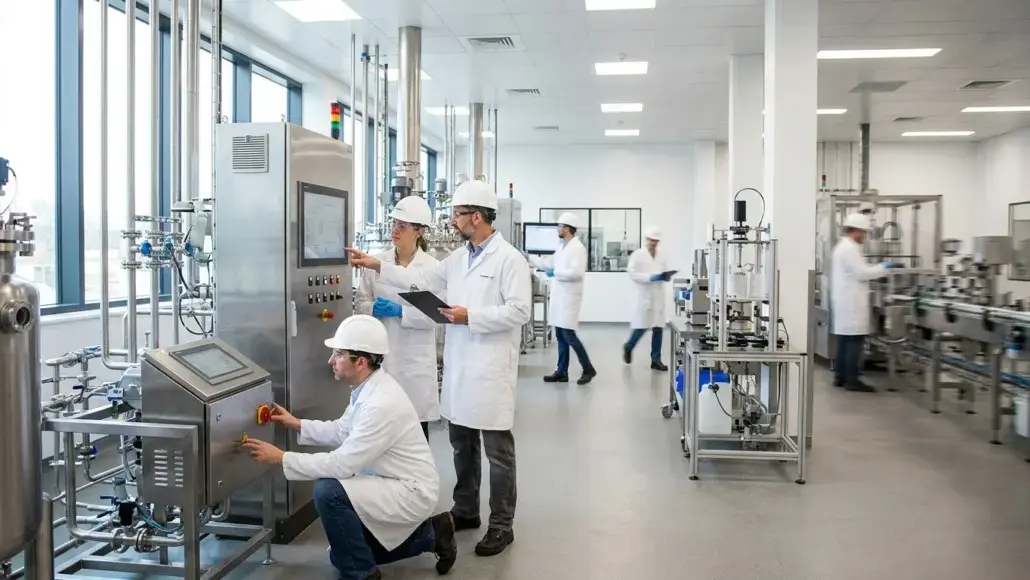
One of the biggest obstacles to achieving GMP readiness is the lack of communication between the various stakeholders involved in a project. Often, the construction team finishes their work and “hands over” the facility to the commissioning team, who then hands it over to the operations and quality teams. This siloed approach is a recipe for disaster, as issues discovered late in the process are far more expensive and time-consuming to fix. Facility commissioning excellence demands the creation of an integrated project team from day one. This team includes representatives from engineering, construction, quality assurance, operations, and even regulatory affairs.
By involving the end-users and quality teams early in the design and commissioning phases, potential operational or compliance issues can be identified and resolved while they are still on paper. For instance, an operator might point out that a certain valve is difficult to access for maintenance, or a quality specialist might identify a potential dead-leg in a piping system that could harbor microbial growth. Addressing these concerns during the design phase is simple addressing them after the system is installed and sterilized is an engineering nightmare. In an environment of facility commissioning excellence, the goal is “Right First Time,” and that can only be achieved through early and continuous collaboration.
Leveraging Digital Tools and the Digital Twin
The digitalization of the pharmaceutical industry Pharma 4.0 is playing a pivotal role in accelerating GMP readiness. Traditional, paper-based CQV processes are notoriously slow and prone to errors. Documentation can be lost, signatures can be missed, and tracking the status of thousands of individual tests can be a logistical impossibility. Facility commissioning excellence embraces digital CQV platforms that provide a “single source of truth” for the entire project. These systems allow for real-time tracking of progress, automated generation of reports, and the secure, electronic capture of data and signatures.
Furthermore, the use of “Digital Twins” virtual replicas of the physical facility allows for simulation-based commissioning. Engineers can test the control logic of a complex manufacturing line in a virtual environment before the physical equipment is even built. This allows for the “de-bugging” of software and automation systems in parallel with construction, rather than waiting for the equipment to be on-site. When the physical machines finally arrive, the startup process is much smoother, as the digital twin has already identified and helped resolve the most likely failure points. This integration of digital and physical worlds is a hallmark of modern facility commissioning excellence.
Streamlining Documentation for Regulatory Confidence
A facility is only “GMP ready” when it can prove its compliance through a comprehensive and error-free documentation package. For regulators, if it isn’t documented, it didn’t happen. Facility commissioning excellence focuses on creating a “lean” documentation strategy that provides the necessary evidence of compliance without unnecessary fluff. This involves the use of standardized templates, clear and concise testing protocols, and a rigorous review process that happens concurrently with the testing, rather than being left until the end of the project.
By maintaining a “ready-for-audit” state throughout the commissioning process, companies can avoid the frantic rush to organize and correct documentation in the weeks leading up to a regulatory inspection. This proactive approach not only speeds up the timeline but also builds a high level of confidence with regulatory agencies. When an inspector sees a well-organized, data-driven CQV package that clearly links risks to tests and results, they are more likely to view the entire facility as being in control. In this way, facility commissioning excellence serves as the bridge between engineering achievement and regulatory approval.
Conclusion: The Strategic Value of Excellence
Achieving facility commissioning excellence is not just an engineering goal it is a strategic business imperative. In an industry where being first to market can mean the difference between success and failure, the ability to rapidly and reliably achieve GMP readiness is a powerful competitive advantage. By focusing on risk-based strategies, fostering integrated teams, leveraging digital tools, and maintaining a high standard of documentation, pharmaceutical companies can turn the CQV phase from a dreaded bottleneck into a streamlined engine of growth. As the complexity of pharmaceutical manufacturing continues to increase, the principles of facility commissioning excellence will be more important than ever, ensuring that the facilities of tomorrow are ready to meet the challenges of providing safe, effective medicines to a global population.
