




















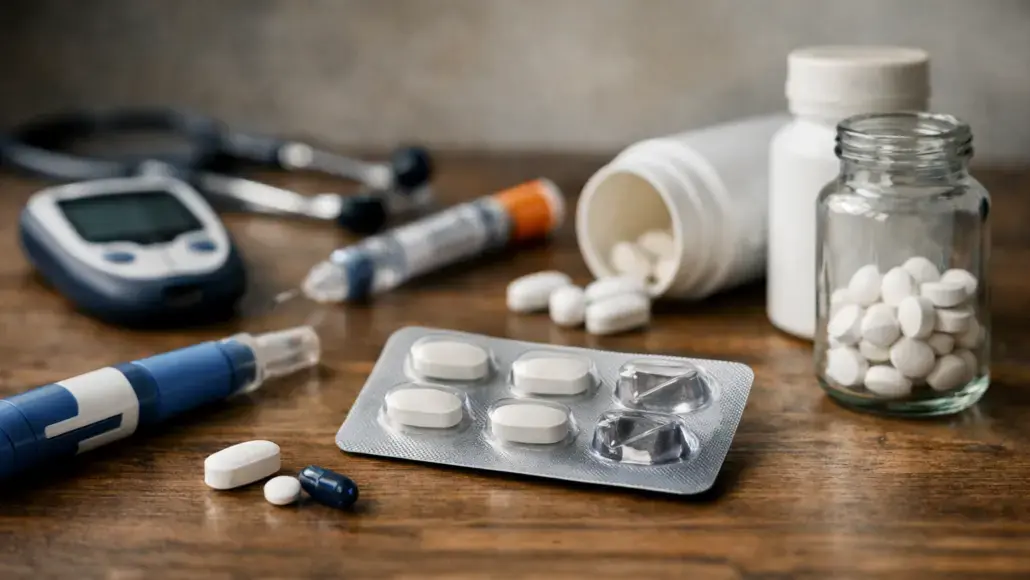
The pharmaceutical landscape is currently witnessing one of its most significant breakthroughs in decades with the emergence of powerful new treatments for metabolic diseases. For years, glucagon-like peptide-1 (GLP-1) receptor agonists have been the gold standard for managing type 2 diabetes and, more recently, chronic weight management. However, the primary barrier to widespread adoption has always been the method of administration. The vast majority of these treatments are injectables, which can be a significant deterrent for many patients. The arrival of oral GLP-1 drugs represents a pivotal shift, moving from the needle to the pill and potentially democratizing access to life-changing therapies for millions of people worldwide.
Metabolic diseases, including obesity and diabetes, have reached pandemic proportions, straining healthcare systems and diminishing the quality of life for a significant portion of the global population. The physiological role of GLP-1 is multifaceted; it stimulates insulin secretion, suppresses glucagon release, and slows gastric emptying, all while signaling the brain to increase feelings of satiety. Pharma Advancement notes that by mimicking this natural hormone, GLP-1 drugs have demonstrated remarkable efficacy in reducing blood sugar levels and inducing substantial weight loss. The transition to oral formulations is not merely a matter of convenience; it is a fundamental pharmaceutical innovation that addresses the deep-seated psychological and logistical hurdles associated with chronic injectable therapies.
The Challenge of Oral Peptide Delivery
To understand the significance of oral GLP-1 drugs, one must appreciate the immense scientific challenge of delivering peptides via the gastrointestinal tract. Peptides are essentially chains of amino acids, and the human stomach is a highly hostile environment designed specifically to break these chains down. Acidic gastric juices and proteolytic enzymes typically destroy peptides long before they can reach the bloodstream. For a GLP-1 agonist to be effective in pill form, it must survive this digestive gauntlet and penetrate the intestinal lining with enough bioavailability to achieve a therapeutic effect.
The solution to this problem has come in the form of innovative chemical carriers and novel molecular engineering. One of the most notable successes in this field involves the use of SNAC (sodium salcaprozate), a small-molecule absorption enhancer that temporarily raises the local pH in the micro-environment of the stomach. This localized pH shift prevents the acidic degradation of the peptide, allowing the medication to be absorbed directly through the gastric mucosa. While the bioavailability of oral peptides remains significantly lower than that of their injectable counterparts, the ability to deliver a consistent, daily supra-physiological dose via a tablet has opened a new chapter in metabolic disease therapy.
Furthermore, ongoing drug development is now branching into two distinct paths. The first involves optimizing these peptide-carrier combinations to improve absorption and reduce the variability caused by food intake. The second path is the development of non-peptide, small-molecule GLP-1 receptor agonists. Unlike peptides, these small molecules are inherently stable in the digestive system and do not require specialized carriers for absorption. These next-gen oral GLP-1 drugs could potentially offer higher bioavailability and simpler manufacturing processes, making them even more attractive for large-scale global distribution. The focus is not just on making a pill, but on making a pill that is as robust and reliable as any other standard medication in a patient’s cabinet.
Impact on Patient Compliance and Obesity Treatment
The shift toward oral GLP-1 drugs is expected to have a profound impact on patient compliance and the overall trajectory of obesity treatment. In the context of chronic disease, adherence is the single most important factor in achieving long-term health outcomes. Many patients suffer from needle phobia or find the logistics of storing and disposing of injectable pens to be cumbersome. By offering a daily pill that can be taken alongside other common medications, healthcare providers can lower the threshold for starting treatment. This is particularly important for obesity, which is often under-treated due to the stigma and the perceived intensity of existing medical interventions.
Furthermore, the oral format allows for more flexible dosing strategies. Injectables are often administered weekly, which can lead to fluctuations in drug levels and potential side effects as the body adjusts to each dose. A daily oral tablet provides a more steady state of the medication in the bloodstream, which may improve tolerability for some patients. As the medical community increasingly recognizes obesity as a chronic, relapsing metabolic disease rather than a failure of willpower, the availability of oral GLP-1 drugs provides a practical and sustainable tool for long-term management. This transition is not just about weight loss; it is about reducing the incidence of co-morbidities like cardiovascular disease, sleep apnea, and fatty liver disease.
Pharmaceutical Innovation and Market Dynamics
The race to dominate the market for oral GLP-1 drugs has spurred unprecedented competition among global pharmaceutical giants. The potential market for these medications is estimated to be in the tens of billions of dollars, reflecting the vast unmet need in metabolic health. Companies are not just competing on delivery methods but also on the potency of the molecules. We are now seeing the development of multi-receptor agonists, often called twincretins or triple G agonists, which target GLP-1 along with other hormones like GIP (glucose-dependent insulinotropic polypeptide) and glucagon.
When these multi-hormone agonists, such as the promising Triple G agonists like Retatrutide, are successfully formulated into oral GLP-1 drugs, the clinical results could be even more dramatic than the successes we see today. The ultimate goal of current drug development is to match, or even exceed, the weight-loss efficacy of bariatric surgery through a simple, once-daily pill. Achieving a 20% to 25% reduction in total body weight via pharmacotherapy would represent a paradigm shift in how we approach metabolic health on a population scale. It would move obesity from the realm of surgical intervention into the realm of primary care management, similar to how statins transformed the treatment of high cholesterol.
However, this wave of pharmaceutical innovation also brings significant challenges related to manufacturing and global supply chains. The production of peptides in the massive quantities required for daily oral dosing is significantly more complex and resource-intensive than the production of once-weekly injectables. A daily oral dose requires a much larger amount of the active pharmaceutical ingredient (API) due to the lower bioavailability. This has led to concerns about peptide shortages and the ability of the industry to scale production to meet the skyrocketing global demand. Ensuring that these life-saving innovations remain affordable, accessible, and equitably distributed is a critical challenge that will require collaboration between the pharmaceutical industry, healthcare providers, and global policymakers.
The Societal and Economic Implications of Metabolic Health
The widespread adoption of oral GLP-1 drugs will likely have ripple effects far beyond the walls of the clinic. Obesity and its related conditions are major drivers of healthcare spending, productivity loss, and disability. By providing a scalable and effective means of managing these conditions, the new generation of GLP-1 therapies could lead to a significant reduction in the global burden of metabolic disease. This could translate into billions of dollars in savings for national health systems and improved economic participation for millions of individuals.
Moreover, the psychological impact of moving away from the willpower myth of weight loss cannot be overstated. By framing obesity as a biological condition that can be treated with a pill, these drugs are helping to dismantle the pervasive stigma that has long surrounded the disease. This cultural shift, combined with the ease of use of oral medications, may encourage more people to seek help earlier in their disease progression. As we look toward the 2030s, the legacy of oral GLP-1 drugs will likely be measured not just in pounds lost or blood sugar lowered, but in the fundamental reorganization of how society values and protects metabolic health.
Future Outlook: Beyond Diabetes and Obesity
Pharma Advancement believes that the potential applications for oral GLP-1 drugs may extend far beyond their current indications for diabetes and obesity. Emerging research suggests that GLP-1 receptors are present in many parts of the body, including the brain, heart, and kidneys. There is significant interest in the potential of these drugs to treat neurodegenerative conditions like Alzheimer’s and Parkinson’s disease, where they may exert neuroprotective effects. Additionally, the anti-inflammatory properties of GLP-1 agonists are being investigated for the treatment of non-alcoholic steatohepatitis (NASH) and chronic kidney disease.
The transition to oral delivery makes these broad applications much more feasible. It is far more practical to prescribe a daily pill for a neurodegenerative condition or a chronic inflammatory disease than it is to require lifelong weekly injections. As our understanding of metabolic health continues to deepen, we may find that metabolic disease therapy becomes a cornerstone of preventative medicine. In this future, oral GLP-1 drugs could be used not just to treat existing illness but to optimize metabolic function and extend the healthy lifespan of the general population. The journey from the lab to the pharmacy shelf is long and arduous, but the progress made in the last decade suggests that the best is yet to come.
