


















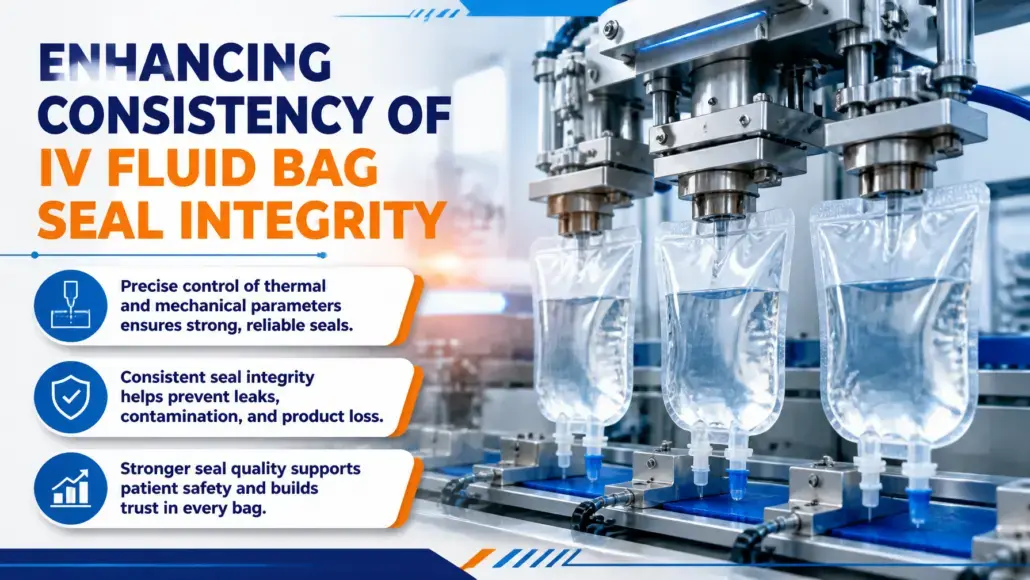
The delivery of intravenous fluids is a cornerstone of modern clinical practice, yet the integrity of the containers used for these fluids is often taken for granted. In reality, the manufacturing of IV bags is a highly technical process that requires precise control over thermal and mechanical variables. As the global IV fluid bags market expands from an estimated 1.86 billion USD in 2025 toward a projected 3.43 billion USD by 2035, the industry is placing a renewed emphasis on IV fluid bag seal integrity. A consistent and robust seal is the only thing preventing contamination or leakage during transport and administration, making it a critical focus for both manufacturers and healthcare providers.
Maintaining high standards for seals is particularly challenging due to the flexible nature of the materials used:
- Material and joining: Most IV bags are made of multi-layered plastic films fused together using heat or radio-frequency (RF) welding.
- Underheating risk: Temperatures that are too low create weak bonds prone to peeling apart.
- Overheating risk: Excessive heat degrades the polymer, resulting in brittle sections that can crack under pressure.
- Quality control: Sophisticated monitoring systems are required to adjust sealing parameters in real time according to the specific properties of each film batch.
Market Drivers and Technological Advancements
Pharma Advancement observes that the growth of the IV fluid bag market is driven by an aging global population and the increasing prevalence of chronic diseases that require long term infusion therapy. According to industry data, the market was estimated at 2.06 billion USD in 2025 and is projected to rise at a compound annual growth rate of over 6 percent through the next decade. This upward trend has led major companies to invest heavily in new manufacturing facilities and improved quality control processes. For example, B. Braun and Baxter have both highlighted the importance of automated inspection systems in their recent annual reports, noting that human eyes alone are no longer sufficient to detect the microscopic flaws that can compromise IV fluid bag seal integrity.
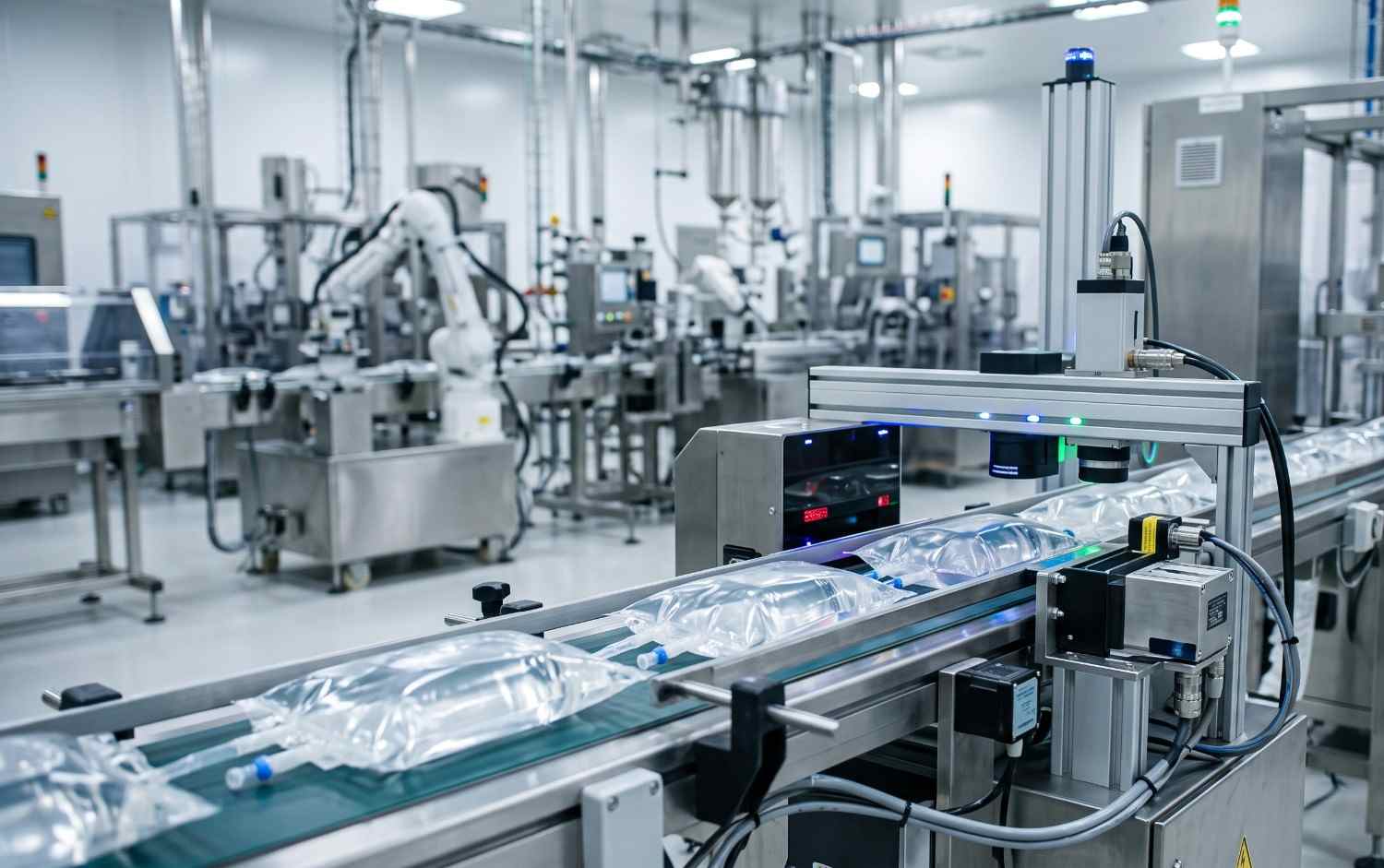
Recent technology launches in 2025 have introduced laser based sealing methods that provide a much tighter control over the heat affected zone. Traditional thermal bars can sometimes apply uneven pressure, but a guided laser beam can create a perfectly uniform weld along the entire perimeter of the bag. This is especially useful for complex bag designs that include multiple chambers for mixing different medications just before administration. By ensuring that every seal is identical, manufacturers can significantly reduce the rate of rejects and improve the overall efficiency of their production lines.
Regulatory Validation and Material Transitions
The process of verifying these seals is a critical component of sterile barrier packaging validation ensuring sterility, which provides the final proof of safety before a product enters the clinical environment. Without a validated process, even the most advanced sealing technology cannot be trusted to perform consistently across thousands of production cycles. Manufacturers must demonstrate that their seals can withstand sterilization, which often involves high pressure steam or chemical agents that can stress the polymer bonds.
Another factor influencing seal consistency is the shift toward PVC free materials. While polyvinyl chloride was the standard for decades, concerns about phthalate leaching have led many hospitals to demand alternative materials like polypropylene or specialized copolyesters. These newer polymers often have different melting points and flow characteristics, requiring manufacturers to recalibrate their sealing equipment. Companies like Fresenius Kabi have been at the forefront of this transition, developing new film formulations that offer the same flexibility as PVC while providing superior IV fluid bag seal integrity and chemical resistance.
The importance of seal consistency extends beyond the manufacturing plant to the point of care. When a nurse hangs an IV bag, they rely on the fact that it will not leak even when placed under a pressure infuser. A weak seal can lead to a catastrophic failure during a critical procedure, resulting in the loss of life saving medication and a potential risk to the clinician. Therefore, the testing protocols for these bags are becoming more rigorous. Many manufacturers now use high voltage leak detection systems that can find holes as small as a few microns by measuring the electrical resistance across the film.
Future of Sustainability, Pre-Filled Systems, and Industry 4.0
Environmental sustainability is also playing a role in how these bags are designed. There is a growing push to reduce the amount of plastic used in each container without compromising the strength of the seal. This has led to the development of thinner, high strength films that require even more precise sealing technology. In 2025, several European packaging firms announced research initiatives focused on biodegradable IV bags, though maintaining seal integrity over a long shelf life remains a significant hurdle for these experimental materials.
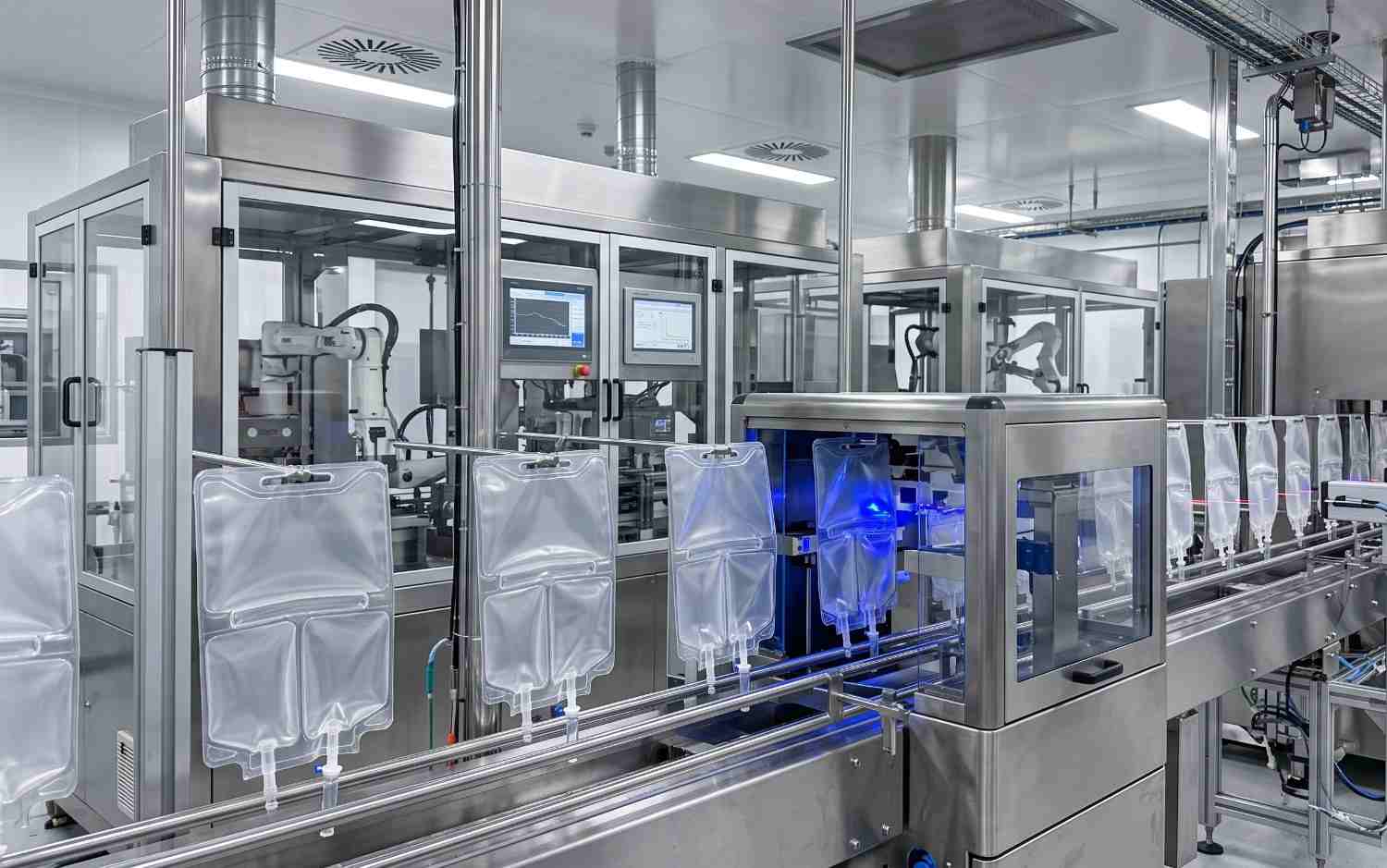
Market analysis in 2026 indicates that the demand for pre filled IV bags is a major driver for innovation. These products come ready to use, which saves time for hospital staff and reduces the chance of dosing errors. However, because these bags are filled before sterilization, the seals are under even more stress during the heating process. This has forced manufacturers to rethink their seal geometry, moving toward wider and more reinforced welds that can handle the internal pressure generated by expanding liquids.
Looking forward, we can expect to see more integration between the sealing equipment and the broader digital twin of the factory. Pharma Advancement believes that by creating a virtual model of every seal, manufacturers can predict when a machine is likely to drift out of specification and perform maintenance before any bad products are made. This move toward zero defect manufacturing is the ultimate goal for the industry, ensuring that every IV bag provides a safe and reliable vessel for the delivery of essential medicines.
References
-
“IV Fluid Bags Market Size and Trends 2026-35” – Towards Packaging
-
“IV Bags Market to Rise at 6.14% CAGR till 2035” – Towards Healthcare
-
“Annual Report on Pharmaceutical Packaging Innovations” – B. Braun
-
“Advancements in Sterile Fluid Delivery Systems” – Baxter
-
“New PVC-Free Film Solutions for Medical Applications” – Fresenius Kabi
-
“Medical Packaging industry projected to grow to 60.36 USD Billion” – Market Research Future
-
“Sterile Barrier System Regulatory Standards Explained” – Pathway Medtech
