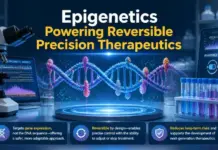
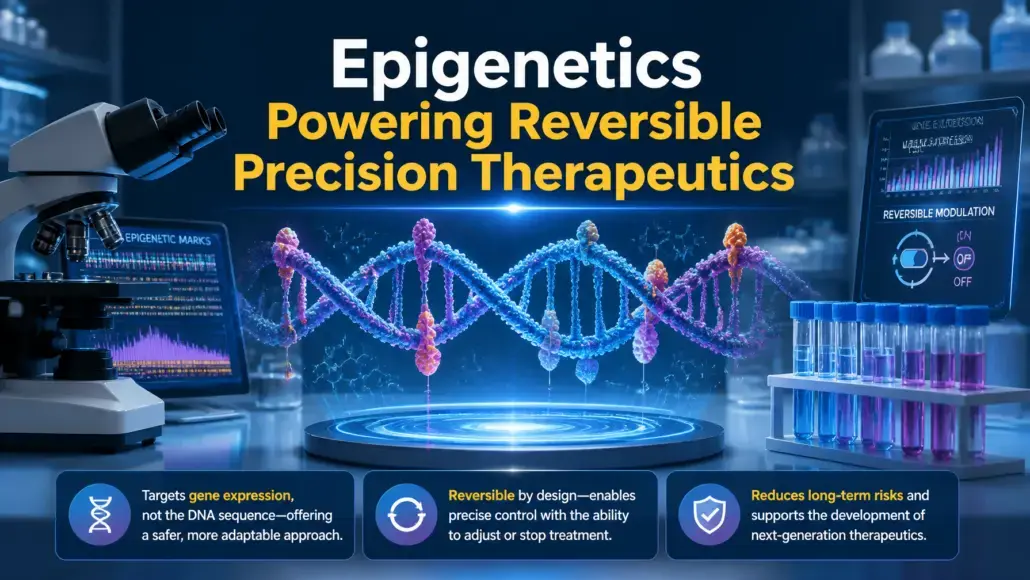
The pharmaceutical industry is entering a new frontier in genomic medicine, moving beyond permanent gene editing toward a more dynamic and reversible approach to therapy. While technologies like CRISPR have revolutionized our ability to correct genetic mutations, they often come with significant risks and ethical considerations due to their permanent nature. The emergence of epigenetics, the study of heritable changes in gene expression that do not involve alterations to the underlying DNA sequence, is providing a powerful alternative. Pharma Advancement notes that by modulating the chemical tags that turn genes on or off, researchers are developing reversible precision therapeutics that can treat a wide range of diseases by fine-tuning the body’s own regulatory systems. This innovation is transforming the way we approach chronic conditions like cancer and neurodegeneration, marking a new era of programmable medicine.
Epigenetic modulation involves the use of small molecules or specialized proteins to target the enzymes that control DNA methylation and histone modification. These chemical changes effectively control the accessibility of a gene, determining whether it is transcribed into a functional protein or remains silenced. Unlike traditional gene therapy, which replaces or repairs a damaged gene, epigenetic therapy aims to restore a healthy pattern of gene expression by reprogramming the cell’s regulatory state. Because these changes are reversible, the therapy can be adjusted or stopped as the patient’s condition evolves, providing a level of clinical flexibility and safety that is unattainable with permanent interventions. This is particularly valuable for treating complex diseases that are driven by the interaction of multiple genes and environmental factors.
Molecular Machinery: Enzymes, Epigenetic CRISPR, and ncRNAs
The technical mechanisms of epigenetic therapy are highly diverse, involving a variety of enzyme classes. DNA Methyltransferases (DNMTs) add methyl groups to DNA, typically silencing genes, while Histone Deacetylases (HDACs) and Histone Acetyltransferases (HATs) modify the proteins around which DNA is wrapped, altering its compactness. The challenge for drug developers is to design molecules that can selectively target these enzymes in a specific tissue or for a specific gene set. New technologies like ‘Epigenetic CRISPR’ allow for even more precise control, using a ‘dead’ Cas9 protein to recruit epigenetic modifiers to a specific genomic location without cutting the DNA. This combination of CRISPR’s targeting precision and epigenetics’ reversibility is a major milestone for the field.
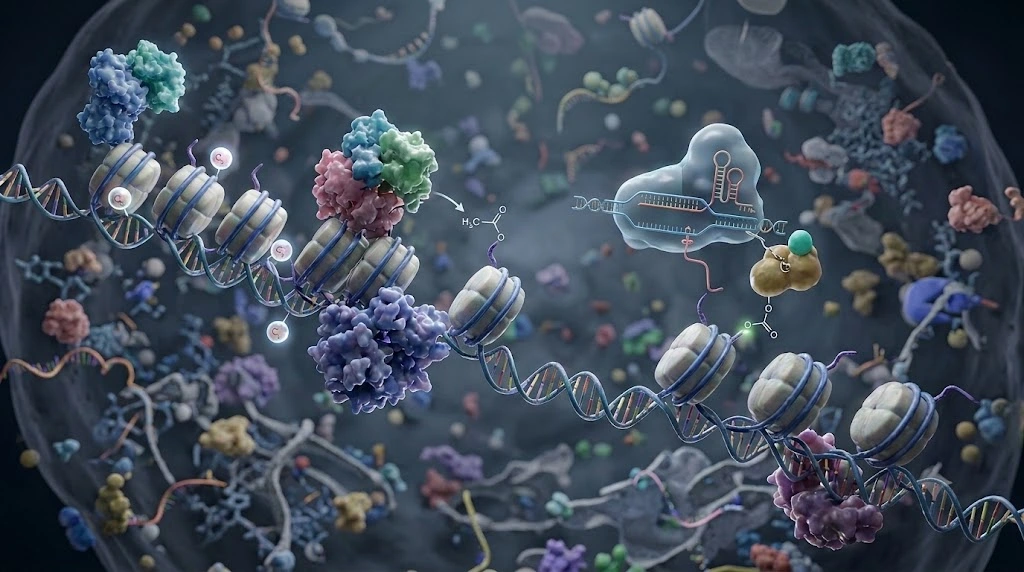
Furthermore, the role of ‘non-coding RNAs’ (ncRNAs) in epigenetic regulation is an area of intense research. These molecules do not code for proteins but instead act as regulatory guides, directing epigenetic enzymes to their targets or directly interfering with the translation of mRNA. By designing synthetic ncRNAs, researchers can create highly specific and temporary modulators of gene expression. This ‘RNA-based epigenetics’ offers a rapidly deployable and highly versatile platform for treating a variety of conditions, from acute viral infections to chronic metabolic disorders. The technical synergy between RNA biology and epigenetic modulation is a hallmark of the new programmable medicine paradigm.
A significant milestone in the development of these therapies occurred in early 2025, when Bristol Myers Squibb (BMS) announced a major expansion of its epigenetics research portfolio, focusing on the development of next-generation modulators for solid tumors and hematological malignancies. The company, a long-time leader in oncology, is leveraging its expertise in protein degradation and epigenetic signaling to design highly specific inhibitors that can reactivate tumor suppressor genes or silence oncogenes without altering the genome itself. This strategic move by BMS underscores the critical role that epigenetic regulation plays in the future of precision medicine and serves as a powerful indicator of the industry’s commitment to building a more flexible and reversible therapeutic base.
Intersecting with Precision Medicine, Exposomics, and Early Detection
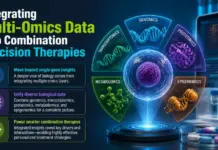
The shift toward reversible precision therapeutics is intrinsically linked to the broader goals of precision medicine. As simulation capabilities improve, we see quantum computing breaking simulation barrier for large molecule precision, allowing for the precise design of epigenetic modulators that can fine-tune gene expression. By providing a more nuanced and adjustable approach to treatment, epigenetics allows for the development of highly personalized therapy plans that can be tailored to the unique regulatory profile of each patient. For instance, the transition toward multi-omics data integration is bolstered by the high-quality epigenetic data provided by new sequencing technologies, creating a more holistic understanding of the patient’s molecular biology. This systemic approach ensures that the management of disease is not just a one-time intervention, but a continuous process of molecular fine-tuning that optimizes the chances of long-term success for every individual patient. The synergy between dynamic regulation and advanced analytics is the engine that will power the next generation of medical breakthroughs.
Furthermore, the integration of epigenetics is driving a revolution in the way researchers understand the role of the environment and lifestyle in human health. By analyzing the epigenetic clock—the pattern of chemical tags that change as we age—scientists can gain new insights into how factors like diet, stress, and pollution influence disease risk and therapeutic response. Similarly, the study of epigenetic inheritance—how the regulatory state of a parent can be passed to their offspring—is providing a new layer of information that can be integrated with genetic data to provide a more comprehensive understanding of health and disease across generations. The expertise gained in managing and analyzing these complex regulatory datasets is a vital component of the broader effort to build a more proactive and preventative healthcare system.
The use of ‘epigenetic biomarkers’ for early disease detection is also a critical trend. Changes in DNA methylation patterns often occur long before the clinical symptoms of a disease appear, providing a unique window for early intervention. For example, ‘multi-cancer early detection’ (MCED) tests utilize the epigenetic signals in cell-free DNA to identify the presence of multiple types of cancer from a single blood draw. Integrating these early signals with the patient’s overall molecular profile allows for the development of truly preventative precision medicine. The technical challenge of accurately detecting these subtle epigenetic changes in a complex biological sample is significant, but the potential rewards for public health are immense. The influence of epigenetic diagnostics is transforming the clinical management of chronic diseases.
Moreover, the integration of ‘single-cell epigenomics’ is providing an unprecedented level of resolution. Instead of analyzing a bulk tissue sample, single-cell techniques allow researchers to see the regulatory state of every individual cell. This reveals the ‘hidden heterogeneity’ within a tissue, identifying rare cell populations that may be resistant to therapy or driving disease progression. Integrating single-cell data with bulk epigenetic measurements provides a multi-scale view of regulation, from the individual gene to the entire organism. This is the ultimate expression of the holistic vision, where every level of biological control is accounted for and integrated. The synergy between single-cell resolution and epigenetic breadth is the hallmark of modern molecular biology.
Translation Challenges, Market Economics, and Governance
The technical implementation of these therapies also requires a high degree of coordination between molecular biologists, medicinal chemists, and clinical researchers. Designing modulators that are both highly specific for a particular epigenetic enzyme and capable of penetrating the complex environment of the cell is a significant engineering challenge. Similarly, developing new biomarkers that can accurately measure the patient’s epigenetic state—and how it responds to therapy in real-time—is a key priority for the industry. The collaboration between these different sectors is essential for overcoming the technical hurdles and ensuring that the benefits of reversible precision therapeutics reach the clinical setting as quickly and safely as possible.
The economic case for the integration of these technologies is also becoming increasingly compelling. While the development of novel epigenetic modulators can be expensive, the long-term savings associated with more effective treatments and better patient outcomes are significant. Reducing the burden of chronic disease through targeted regulatory intervention can significantly lower the overall cost of healthcare. Moreover, the improved safety and adjustability of reversible therapies can lead to lower costs by reducing the number of adverse drug reactions and avoiding the long-term complications associated with permanent gene editing. The financial benefits of epigenetic modulation are thus a major driver of their adoption across the pharmaceutical landscape.
Moreover, the role of international standards in the growth of the epigenetics market is critical. As these therapies become more widespread, there is a need for clear guidelines on epigenetic data privacy, regulatory pathways for reversible treatments, and the ethical implications of programming human gene expression. Global organizations like the International Human Epigenome Consortium (IHEC) are already working with industry partners to develop these standards, providing the regulatory certainty needed for large-scale investment. The transparency and accountability provided by these systems will be key to maintaining public trust in the pharmaceutical industry’s efforts to develop new and innovative treatments.
Future Trajectory and Talent Development
Looking ahead, the commitment to epigenetics will be a defining characteristic of the precision medicine landscape in the coming decades. The ongoing development of even more targeted epigenetic editors, including those based on next-generation protein engineering and targeted delivery systems, will further improve the performance and reduce the side effects of reversible treatments. The integration of single-cell epigenomics into routine clinical practice will provide a new level of diagnostic and therapeutic precision for every patient.
The expansion of global regulatory databases, supported by international data-sharing agreements and secure cloud platforms, will enable the meta-analysis of millions of epigenetic profiles, identifying even the rarest regulatory patterns and therapeutic responses. By embracing these innovations, the pharmaceutical community is not only unlocking the power of the epigenome but also building a more resilient and flexible foundation for the future of medicine. The fusion of dynamic gene regulation and advanced molecular biology, embodied in the rise of reversible precision therapeutics, is the defining vision for the medicine of the 21st century. The journey from a chemical tag to a clinical cure is a collective effort that will require the participation of stakeholders across the entire biochemistry and medical sectors.
Finally, the importance of fostering a new generation of researchers who are comfortable at the intersection of molecular biology and clinical medicine cannot be overstated. As epigenetics becomes the new standard, the demand for translational scientists who can bridge the gap between the lab and the clinic will continue to grow. Pharma Advancement believes that by investing in the education and training of these specialists, the healthcare community can ensure that the full potential of reversible precision therapeutics is realized. This investment in human capital is as important as the investment in the technology itself, as the long-term success of programmable medicine depends on the expertise and dedication of the people who work at the heart of the regulatory genome. The biopharmaceutical industry’s transition to a dynamic, reversible future is a journey that will require the participation of everyone from the bench scientist to the patient advocate.
References
-
Bristol Myers Squibb Expands Epigenetics Portfolio to Advance Next-Generation Oncology Therapies
-
Epigenetic Modulation in Cancer Therapy: The Rise of Reversible Treatments
-
The Role of DNA Methylation and Histone Modification in Precision Medicine
-
Reversible vs. Permanent Gene Editing: Evaluating the Clinical Trade-offs
-
International Human Epigenome Consortium: Standardizing Epigenetic Data Sharing