




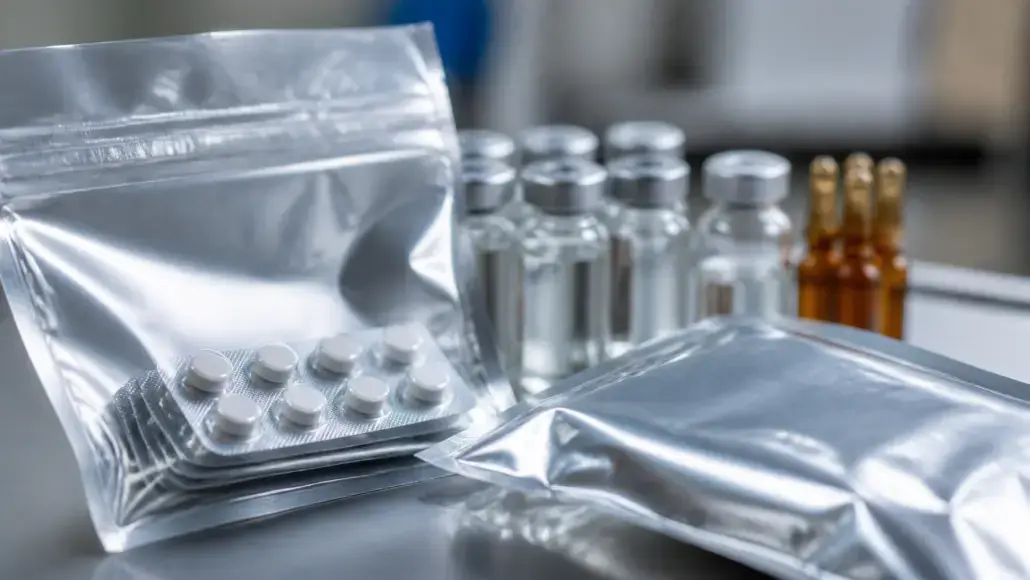
The integrity of a pharmaceutical product is only as robust as the packaging that protects it. The spotlight is increasingly falling on advanced barrier films for pharmaceutical stability tech. These sophisticated materials represent the frontline of defense against the environmental factors that threaten to compromise the chemical stability and therapeutic efficacy of modern drugs. In a globalized market where medications are shipped across vast distances and stored in diverse climatic conditions, the demand for high-performance barrier solutions has reached an all-time high. This evolution in material science is not merely a logistical upgrade. It is a vital component of patient safety, ensuring that every dose delivered remains as potent as the day it was manufactured.
The challenges facing drug stability are multifaceted, ranging from the insidious ingress of water vapor to the degrading effects of atmospheric oxygen and ultraviolet light. Traditional packaging materials often struggle to meet the stringent requirements of new-generation biologics and highly sensitive small molecules. Pharma Advancement notes that by integrating advanced polymers, metallic coatings, and even nano-engineered additives, manufacturers are now able to provide a level of pharmaceutical barrier films protection that was previously unattainable, thereby extending shelf life and reducing the costly burden of product spoilage.
The Science of Impermeability and Material Engineering
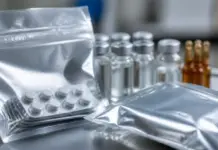
At the heart of advanced barrier films for pharmaceutical stability tech lies the complex science of polymer engineering. To achieve the necessary level of protection, manufacturers utilize a technique known as co-extrusion, where multiple layers of different polymers are bonded together into a single, cohesive film. Each layer serves a specific purpose: one might provide structural rigidity, another might act as a moisture barrier, and a third might offer chemical resistance to the drug itself. The synergy between these layers creates a composite material that is far superior to any single-layer alternative. For instance, the use of Cyclic Olefin Copolymers (COC) in conjunction with traditional Polyvinylidene Chloride (PVDC) has allowed for the creation of films that are both transparent and exceptionally resistant to moisture.
Nanotechnology and the Future of Moisture Protection
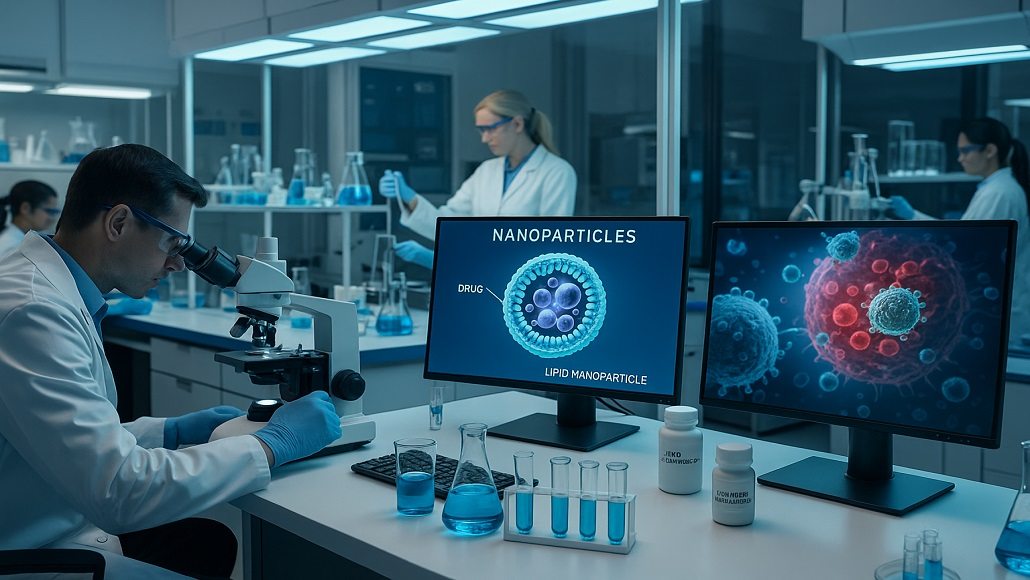
One of the most exciting developments in the field is the application of nanotechnology to enhance barrier properties. By incorporating nano-clays or graphene-based particles into the polymer matrix, engineers can create a tortuous path for gas molecules. Instead of passing directly through the film, moisture and oxygen molecules are forced to navigate around these nano-obstacles, significantly slowing their rate of ingress. This technology is particularly relevant for the packaging of lyophilized powders and effervescent tablets, which are extremely sensitive to even trace amounts of humidity. The integration of these nano-engineered materials represents a significant leap forward in pharmaceutical barrier films.
Sustainable Innovations in High-Barrier Materials
As environmental concerns continue to shape industrial policy, the pharmaceutical sector is under pressure to move away from non-recyclable multi-layer plastics. However, maintaining the necessary barrier performance while utilizing sustainable materials is a significant challenge. The industry is currently exploring bio-based polymers and mono-material structures that can be easily integrated into existing recycling streams. By using advanced coatings that provide high barrier properties without the need for thick, heterogeneous layers, manufacturers are finding a middle ground between ecological responsibility and drug stability.
Strategic Implementation in Global Supply Chains
The adoption of advanced barrier films for pharmaceutical stability tech is not just about the material itself; it is about how these materials facilitate a more resilient global supply chain. In regions with high humidity, such as Southeast Asia, the traditional cold chain is often insufficient to protect drugs once they leave the controlled environment of a warehouse. High-performance films provide an extra layer of security, acting as a buffer against local environmental fluctuations. This is especially critical for life-saving medications distributed in developing nations, where infrastructure may be limited. The ability to maintain stability at room temperature, facilitated by superior barrier packaging, can dramatically increase the reach and impact of global health initiatives.
Enhancing Patient Compliance Through Design
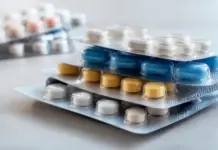
Packaging is the primary interface between the patient and their medication. Advanced barrier films enable more flexible and user-friendly designs, such as strip packs or individualized blisters, without sacrificing protection. For elderly patients or those with chronic conditions, the ability to see the medication through a transparent yet high-barrier film can improve adherence to treatment regimens. Furthermore, the development of active packaging—which incorporates desiccants or oxygen scavengers directly into the film structure—provides a proactive approach to stability. This eliminates the need for loose sachets inside a bottle, reducing the risk of accidental ingestion and streamlining the patient’s interaction with the product.
Regulatory Compliance and Quality Assurance
The regulatory landscape for pharmaceutical packaging is becoming increasingly complex, with agencies like the FDA and EMA requiring detailed documentation on the interaction between the drug and its primary container. Advanced barrier films undergo rigorous testing to ensure they do not leach harmful substances into the medication or absorb active ingredients from the formulation. The use of high-purity, medical-grade resins and controlled manufacturing environments is essential for meeting these standards. This level of quality assurance is vital for maintaining the trust of both regulators and the public.
The Intersection of Digitalization and Packaging Tech
The future of pharmaceutical barrier films is also being shaped by the digital revolution. Intelligent packaging, which embeds sensors or NFC tags into the film, allows for real-time monitoring of the environmental conditions within the pack. If a package is exposed to excessive heat or moisture, the digital twin of the product can be updated, alerting the pharmacist or patient that the stability may have been compromised. This convergence of material science and digital technology represents the ultimate form of quality control. Pharma Advancement highlights that by combining the physical protection of advanced films with the oversight of digital monitoring, the industry is moving toward a future where drug degradation is no longer a hidden risk but a managed variable.
Moving Towards A New Era of Drug Protection
In conclusion, the advancements in advanced barrier films for pharmaceutical stability tech are fundamental to the progress of the pharmaceutical industry. By pushing the boundaries of material science, manufacturers are ensuring that the next generation of medicines, from gene therapies to personalized oncology drugs, reaches patients in optimal condition. As we continue to battle global health challenges, the role of high-performance packaging will remain a cornerstone of medical success, bridging the gap between scientific discovery and clinical delivery. The investment in these advanced materials is not just a business strategy. It is a profound commitment to the enduring quality of healthcare worldwide. Through the lens of pharmaceutical barrier films, we see a future where stability is guaranteed, and every dose counts toward a healthier global population.
