







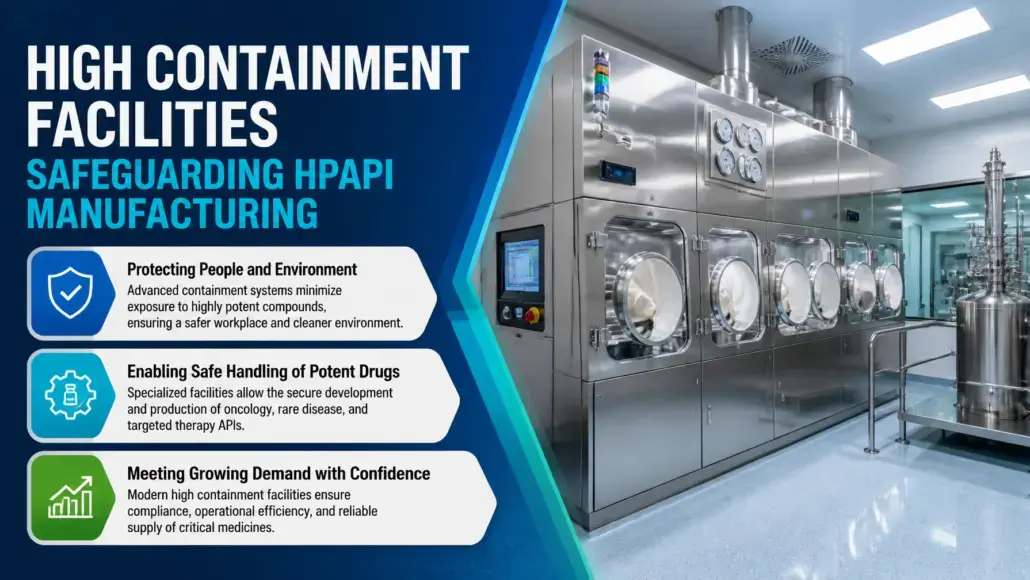
The pharmaceutical industry is experiencing a surge in the development of highly potent drugs, particularly in the fields of oncology, rare diseases, and targeted therapies. These Highly Potent Active Pharmaceutical Ingredients require specialized handling and production environments to protect both the manufacturing personnel and the environment from exposure. As a result, the demand for HPAPI manufacturing containment systems has grown significantly, leading to the development of advanced facilities that utilize new generation isolator technologies and multi stage airlocks. These systems are designed to maintain the highest standards of safety while ensuring the sterility and quality of the final drug product.
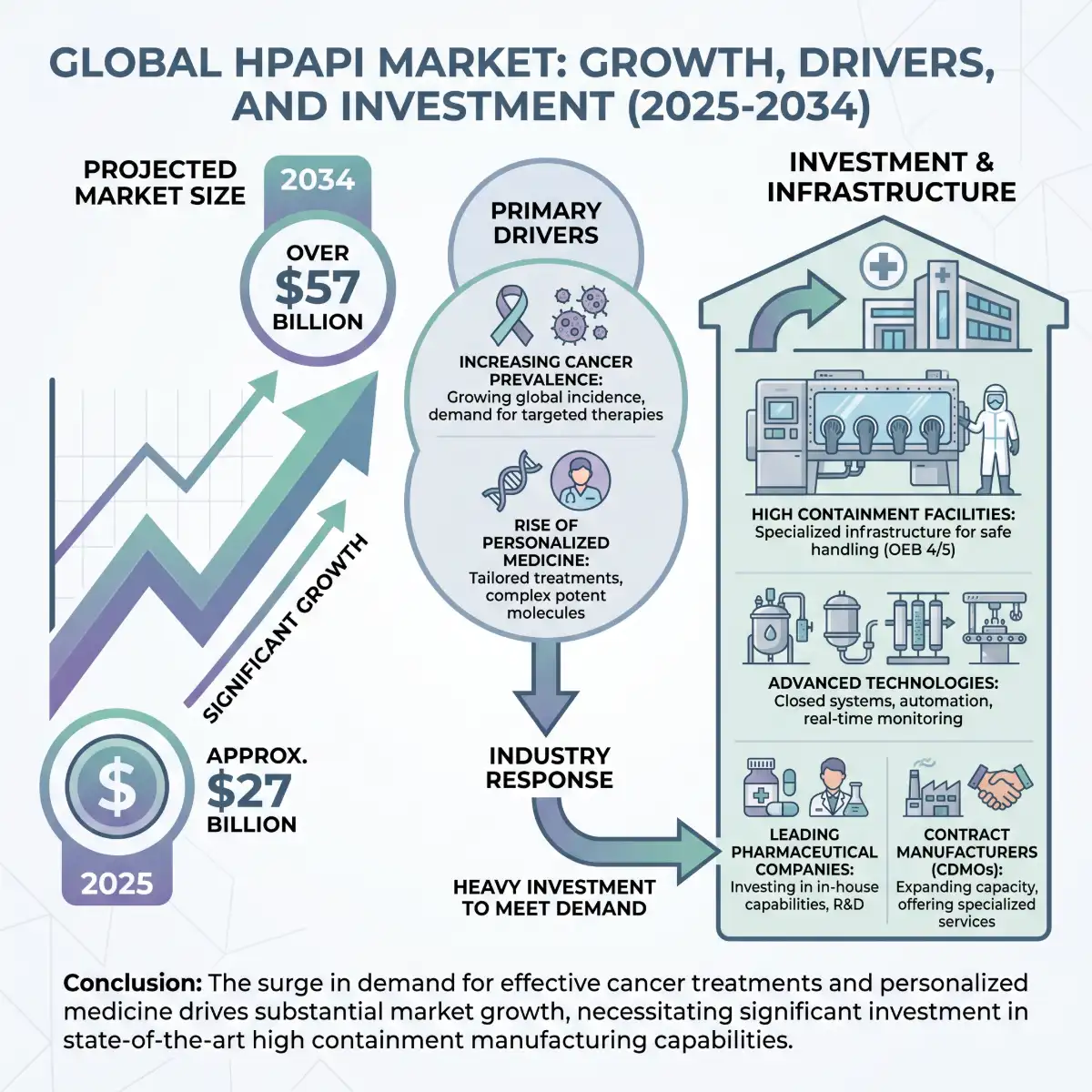
The global market for HPAPIs is projected to grow from approximately 27 billion dollars in 2025 to over 57 billion dollars by 2034, driven by the increasing prevalence of cancer and the rise of personalized medicine. To meet this demand, leading pharmaceutical companies and contract manufacturers are investing heavily in high containment facilities.
Merck KGaA, for example, has recently completed a 65 million dollar expansion of its HPAPI and Antibody-Drug Conjugate manufacturing facility in Madison, Wisconsin. This new facility features one of the largest single digit nanogram containment production areas in the world, allowing for the safe handling of some of the most potent chemical entities known to science.
The Technical Foundations of OEB 5 Containment
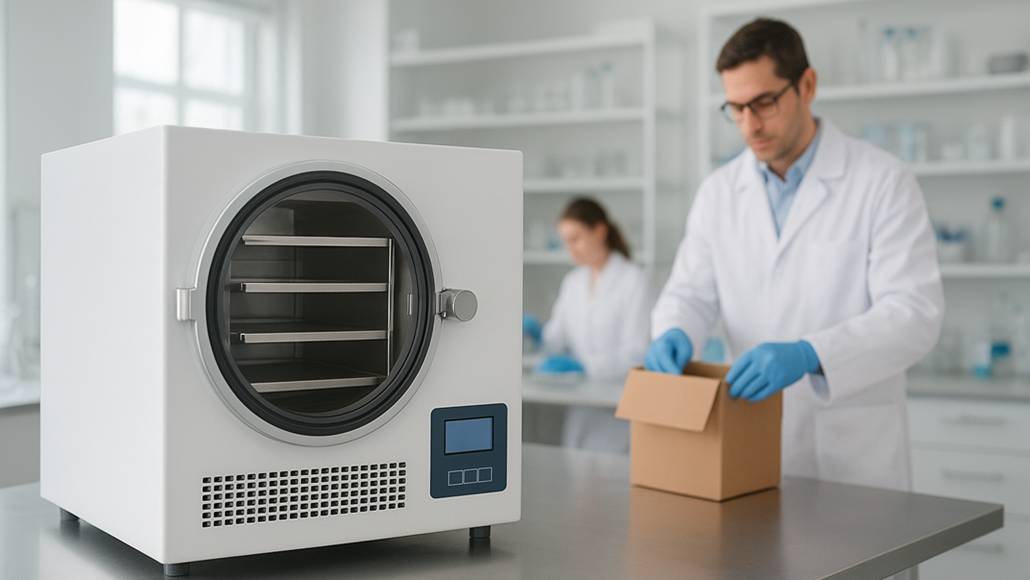
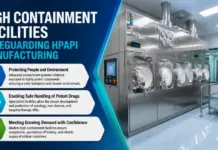
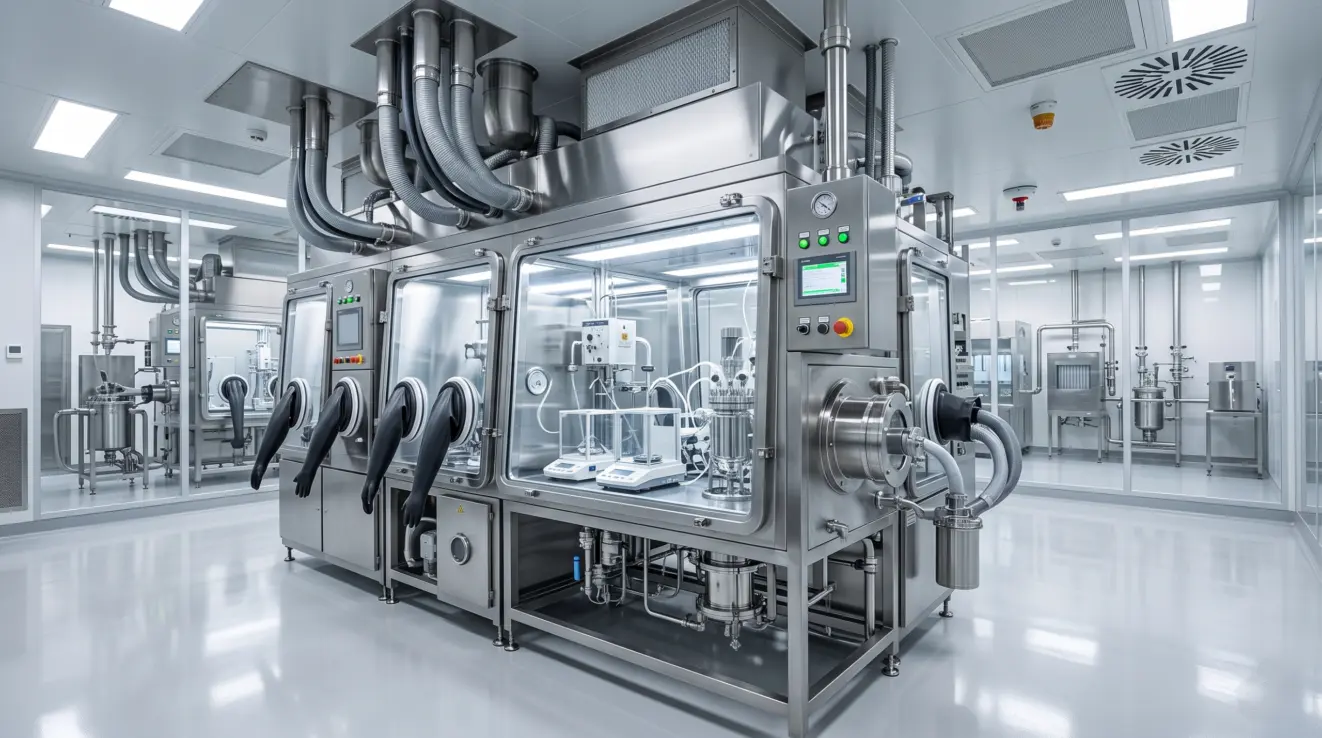
The safety of HPAPI manufacturing is categorized using Occupational Exposure Bands, which range from OEB 1 (low potency) to OEB 5 (extremely high potency). OEB 5 compounds are those with an occupational exposure limit of less than one microgram per cubic meter of air. Handling these substances requires a completely closed manufacturing process, where the materials are never exposed to the environment. HPAPI manufacturing containment systems at this level utilize hermetically sealed isolators that provide a physical barrier between the operator and the product. These isolators are equipped with high efficiency particulate air filters and automated cleaning systems to ensure that no potent dust escapes the primary containment area.
Advanced isolator technology has advanced significantly in recent years, with the development of multi functional units that can handle weighing, mixing, filtration, and drying all within a single contained environment:
- Safe material handling: Operators use glove ports and rapid transfer ports to manipulate materials without breaking the containment seal.
- Adoption of single-use systems: Disposable containment systems reduce cross-contamination risks and eliminate the need for complex cleaning validation.
- Competitive advantage: Integrating these technologies into a single cohesive facility offers a strong strategic edge in the high-value oncology market.
Advancing Safety Through Automated Isolator Technology
Automation plays a critical role in enhancing the safety and efficiency of HPAPI manufacturing containment systems. By reducing the need for direct human intervention, manufacturers can minimize the risk of accidental exposure and improve the consistency of the production process. Modern isolators are equipped with robotic arms and automated filling systems that can handle potent materials with a high degree of precision. These systems are monitored by real time sensors that detect any leaks or pressure imbalances, allowing for immediate corrective action if the containment is compromised.
Furthermore, the design of high containment facilities includes secondary and tertiary levels of protection. The rooms housing the isolators are maintained at negative pressure relative to the surrounding areas, ensuring that any air that does escape is pulled toward the filtration systems. Workers must also wear specialized personal protective equipment, such as powered air purifying respirators, and undergo rigorous training in safe handling procedures. This multi layered approach to safety is essential for managing the risks associated with HPAPI production and for maintaining a safe and healthy workplace for all employees.
The Growing Demand for Antibody-Drug Conjugates
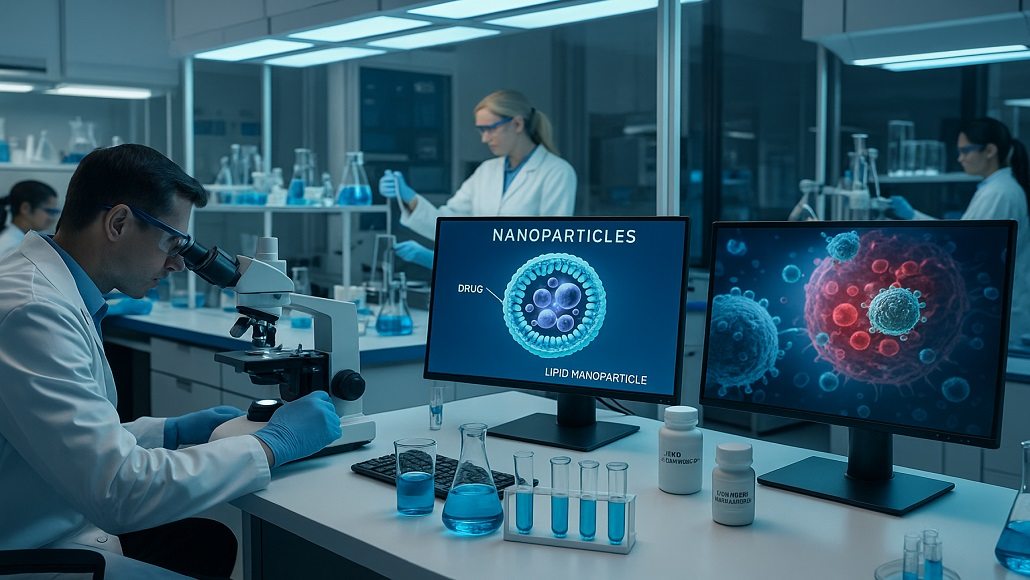
A major driver for the expansion of HPAPI manufacturing capacity is the growing popularity of Antibody-Drug Conjugates. ADCs are a class of targeted therapies that combine a monoclonal antibody with a highly potent cytotoxic drug, using a chemical linker. The antibody acts as a homing device, delivering the potent drug directly to the cancer cells while sparing healthy tissue. Because ADCs contain extremely potent materials, they must be manufactured in high containment facilities that meet OEB 5 standards.
Merck KGaA’s investment in its Wisconsin facility is specifically focused on meeting the demand for ADCs and other complex oncology drugs. The expansion includes new laboratories for quality control and warehouse space for the storage of potent materials. By providing a comprehensive end-to-end solution for ADC manufacturing, Merck is able to support its partners throughout the entire drug development lifecycle, from early stage clinical trials to large scale commercial production. The ability to handle both the biological antibody and the chemical HPAPI in a single contained site is a unique capability that sets Merck apart in the highly competitive CDMO market.
Navigating the Regulatory Landscape for Potent Compounds
Regulatory agencies like the FDA and the EMA have strict requirements for the manufacturing of highly potent drugs, with a focus on preventing cross contamination and ensuring worker safety. Manufacturers must demonstrate that their HPAPI manufacturing containment systems are fully validated and that their cleanroom environments meet the required ISO standards. This involves regular monitoring of the air quality, surface swabs to detect potent residues, and health surveillance for the personnel working in the facility.
The validation process for a high containment facility is complex and requires a thorough understanding of the specific risks associated with the compounds being handled. Manufacturers must also have robust waste management systems in place to ensure that all potent residues are safely neutralized before being discharged from the facility. As the regulatory environment continues to evolve, the industry is seeing a shift toward more harmonized standards for HPAPI manufacturing, making it easier for companies to operate on a global scale. The commitment to safety and compliance is not just a regulatory requirement. it is a fundamental part of the industry’s mission to deliver safe and effective therapies to patients.
Innovation in Containment and Safety
The development of high containment facilities for HPAPI production is a clear indication of the pharmaceutical industry’s commitment to safety and innovation. By leveraging advanced isolator technologies and OEB 5 containment systems, companies like Merck KGaA are enabling the production of next generation therapies that would be impossible to manufacture in traditional plants. The growth of the HPAPI market and the rise of targeted therapies like ADCs will continue to drive the demand for specialized manufacturing capacity in the years to come.
As we look toward the future, Pharma Advancement believes the role of high containment facilities will only become more important as more companies focus on personalized medicine and oncology. The integration of automation and real time monitoring will further enhance the safety and efficiency of these facilities, ensuring that the production of highly potent drugs is both sustainable and reliable. To further enhance operator safety, many high containment facilities are now exploring continuous manufacturing to reduce the volume of potent materials handled at any single moment. The journey toward more targeted and effective medications is well underway, and the innovations in high containment manufacturing are at the heart of this transformation, protecting both the workers and the patients who rely on these life saving treatments.
References
-
Merck KGaA
-
Olon USA
-
Qualia
-
Pharmaceutical Technology
-
Comecer
