














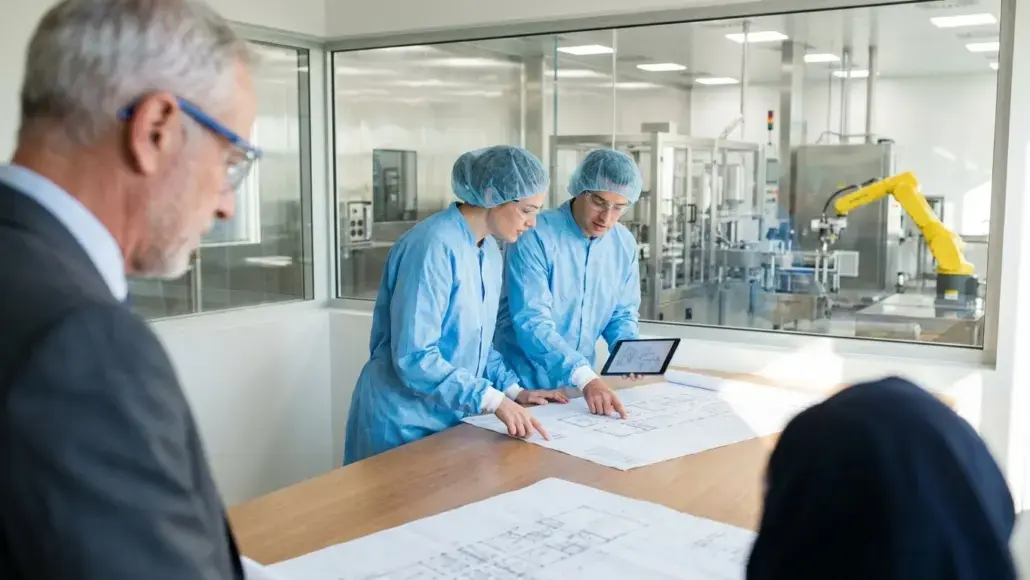
The landscape of pharmaceutical manufacturing is undergoing a profound transformation, driven largely by the stringent requirements of the revised EU GMP Annex 1. This regulation is not merely a set of guidelines it represents a philosophical shift toward a more proactive, risk-based approach to sterile manufacturing. For decades, sterile facility design was often a reactive process, focusing on meeting minimum standards to pass inspections. However, the current regulatory environment demands that Annex 1 compliance be the foundation of every architectural and engineering decision. This evolution necessitates a deep understanding of contamination control strategies, personnel flow, and the integration of advanced technologies that minimize human intervention, ultimately ensuring the highest levels of sterility assurance.
The Paradigm Shift Toward Quality Risk Management
At the heart of modern sterile facility design is the concept of Quality Risk Management (QRM). Annex 1 compliance requires that every aspect of the facility be designed with an eye toward identifying, assessing, and mitigating risks to sterility. This means that design teams can no longer rely on generic templates or legacy configurations. Instead, they must conduct exhaustive risk assessments that consider the specific nature of the product, the complexity of the manufacturing process, and the potential sources of contamination. By embedding QRM into the early stages of design, pharmaceutical companies can create facilities that are inherently more resilient and less prone to systemic failures.
One of the most significant changes introduced by the revised Annex 1 is the requirement for a holistic Contamination Control Strategy (CCS). A CCS is not a single document but a living framework that governs all technical and organizational measures used to prevent contamination. In terms of facility design, this translates to a need for seamless integration between physical barriers, airflow systems, and cleaning protocols. The facility must be viewed as a cohesive ecosystem where every element from the choice of floor coating to the placement of air returns works in harmony to maintain a sterile environment. Annex 1 compliance dictates that this strategy be documented and justified, providing a clear roadmap for how the facility will maintain its validated state throughout its lifecycle.
Enhancing Sterility Assurance Through Barrier Technologies
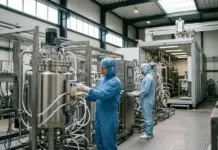
One of the most visible impacts of Annex 1 compliance on sterile facility design is the move away from traditional cleanrooms toward advanced barrier technologies. Restricted Access Barrier Systems (RABS) and Isolators have become the gold standard for aseptic processing. These systems provide a physical separation between the human operator and the sterile product, which is critical since humans remain the primary source of contamination in any cleanroom environment. Designing a facility around these technologies requires a different spatial logic. For example, isolator-based lines often require less classified space (Grade C or D) in the surrounding room, which can lead to significant energy savings and reduced footprint, even while increasing sterility assurance levels.
The integration of these technologies also influences the layout of the facility. Annex 1 compliance emphasizes the importance of protecting the “critical zone” where the product is exposed. Facility design must therefore prioritize short, direct pathways for sterile materials and components, minimizing the time they spend outside of a protected environment. Furthermore, the design must accommodate the complex air handling requirements of these systems, ensuring that pressure differentials are maintained and that any potential leaks are directed away from the product. This level of technical sophistication is now a prerequisite for any new sterile facility project.
Optimizing Personnel and Material Flow
Effective Annex 1 compliance requires a meticulous approach to how people and materials move through the facility. Traditional designs often suffered from “cross-over” points where sterile and non-sterile flows intersected, creating unnecessary risks. Modern sterile facility design eliminates these bottlenecks through a “one-way” flow philosophy. Personnel enter through a series of increasingly stringent airlocks, with dedicated changing areas that prevent the re-introduction of contaminants. Material flow is similarly optimized, with clear separation between raw materials, components, and finished products.
The design of airlocks and pass-throughs has also evolved. Annex 1 compliance now expects these transitions to be monitored and controlled with sophisticated interlocking systems and environmental monitoring sensors. The goal is to create a series of “pressure cascades” that ensure air always flows from the cleanest areas to less clean areas. By visualizing these flows early in the design phase often using Computational Fluid Dynamics (CFD) modeling engineers can identify potential turbulence or stagnant zones that could harbor microorganisms. This data-driven approach ensures that the facility design is not just compliant on paper but robust in practice.
Digitalization and Real-Time Monitoring in Sterile Design
The modern sterile facility is no longer a silent, static environment it is a data-rich hub. Annex 1 compliance places a heavy emphasis on continuous environmental monitoring, particularly in Grade A zones. This has led to the integration of automated monitoring systems directly into the facility design. Sensors for viable and non-viable particles, temperature, humidity, and pressure are now ubiquitous, providing a real-time snapshot of the cleanroom’s health. Designing for this level of connectivity requires a robust IT infrastructure and a clear strategy for data management.
Beyond simple monitoring, digitalization is also reshaping how maintenance and cleaning are handled. Smart facilities use data analytics to predict when a HEPA filter might fail or when a specific area requires a more intensive cleaning cycle. This proactive maintenance is a key component of a robust CCS. Furthermore, the use of Electronic Batch Records (EBR) and automated material tracking reduces the need for paper in the cleanroom, which is a notorious source of particles. Annex 1 compliance is thus a driver for the “Pharma 4.0” revolution, pushing the industry toward more intelligent, self-aware manufacturing environments.
The Human Factor in a Compliant Environment
Despite the increase in automation, humans still play a role in sterile manufacturing, and facility design must account for this. Annex 1 compliance requires that operators be properly trained and that their movements be as non-intrusive as possible. This means designing ergonomic workstations that allow operators to perform tasks within a RABS or isolator without straining, which reduces the likelihood of errors or gowning breaches. The facility layout should also include clear sightlines, allowing supervisors to monitor activities without needing to enter the most sensitive areas.
Furthermore, the “humanized” side of design includes the environment in which these highly trained professionals work. Providing adequate space for gowning, comfortable break areas outside the sterile suite, and even natural light in non-classified corridors can improve operator focus and morale. A focused operator is a safer operator. By acknowledging the human element, Annex 1 compliance becomes a shared responsibility rather than a burden. The facility itself serves as a silent partner, guiding personnel toward the correct behaviors and providing the physical safeguards necessary to prevent errors.
Conclusion and the Path Forward
Annex 1 compliance is much more than a regulatory hurdle it is the catalyst for a new generation of sterile facility design. By prioritizing Quality Risk Management, embracing advanced barrier technologies, and optimizing the flow of people and materials, pharmaceutical manufacturers can achieve unprecedented levels of sterility assurance. The integration of digital monitoring and a focus on the human factor further strengthen these facilities, making them capable of meeting the demands of modern medicine. As we look to the future, the lessons learned from Annex 1 will continue to shape the industry, ensuring that every sterile product is manufactured in an environment that is as safe and reliable as the science behind it.
