








The global pharmaceutical manufacturing landscape is currently experiencing a shift toward more agile and versatile production methods. Pharma Advancement notes that at the center of this transformation is the widespread adoption of flexible packaging systems, which offer a compelling alternative to traditional rigid containers like glass bottles or heavy plastic jars. These systems, ranging from sophisticated multi-layer pouches to high-performance blister packs, are designed to meet the dual challenges of protecting sensitive medications and improving operational efficiency. As the demand for personalized medicine and smaller batch sizes grows, the ability of flexible materials to adapt to different product formats while maintaining a rigorous sterile barrier has made them an indispensable part of the modern drug supply chain.
Advanced Barrier Protection for Drug Integrity
One of the primary advantages of flexible packaging systems is their exceptional ability to protect medications from environmental degradation. Many modern drugs, particularly those in powder or solid dose formats, are highly sensitive to moisture, oxygen, and light. Flexible laminates are engineered using multiple layers of specialized materials—including aluminum foil, polyester, and polyethylene—each serving a specific barrier function. This composite structure ensures that the drug remains stable throughout its shelf life, even in challenging climates. Furthermore, the use of sachet filling for single-dose applications provides an airtight environment that minimizes the risk of oxidation, ensuring that every dose is as potent as the day it was manufactured.
In addition to providing excellent barrier performance, modern flexible packaging materials are designed to maintain their protective properties throughout transportation, storage, and handling. Advanced sealing technologies ensure strong, leak-proof closures that prevent contamination and preserve sterility where required. Manufacturers also conduct rigorous validation tests, including moisture vapor transmission, oxygen permeability, seal integrity, and puncture resistance assessments, to verify long-term package performance under varying environmental conditions. Some high-performance laminates even incorporate ultraviolet light barriers and anti-static properties to further safeguard sensitive pharmaceutical ingredients. These innovations not only extend product shelf life but also reduce product waste, improve patient safety, and support global distribution by ensuring medicines remain effective even after exposure to demanding logistics and climate conditions.
Maximizing Operational Efficiency in Production
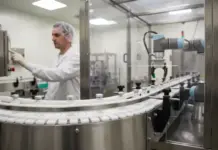
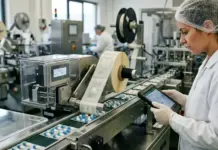
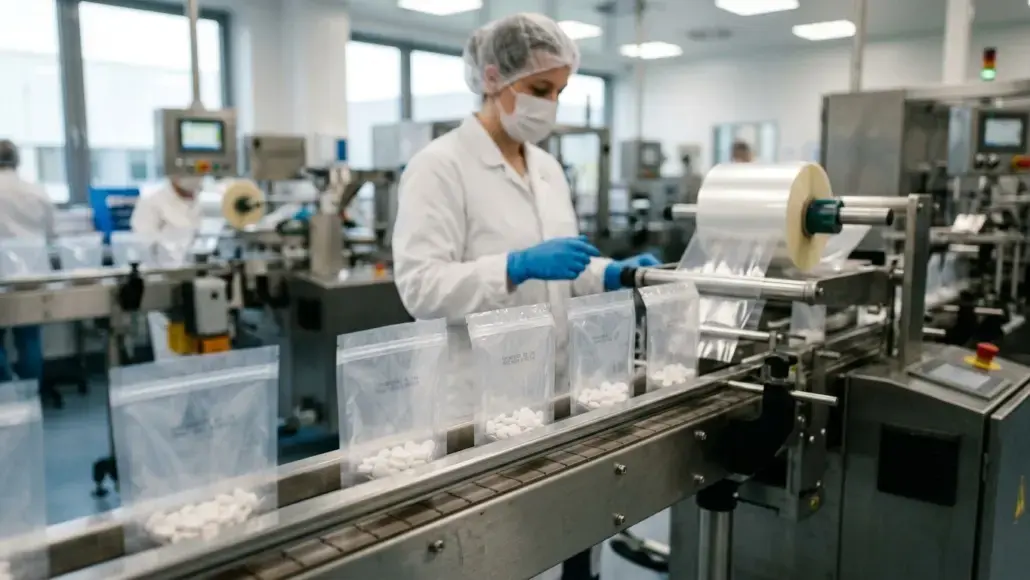
Efficiency in the manufacturing process is significantly enhanced by the transition to flexible formats. Traditional rigid packaging often requires large amounts of storage space for empty containers and involves complex, multi-step cleaning and sterilization processes. In contrast, flexible materials are often supplied as rolls of film, which take up a fraction of the space in a warehouse. This ‘form-fill-seal’ approach allows the package to be created, filled, and closed in a single, continuous motion on a high-speed production line. This streamlined workflow not only increases throughput but also reduces the potential for contamination, as the interior of the package is only exposed to the environment for a brief moment during the filling process.
The integration of automation and digital monitoring technologies further enhances the efficiency of flexible packaging operations. Modern production lines are equipped with intelligent sensors, vision inspection systems, and real-time analytics that continuously monitor seal quality, fill accuracy, material usage, and equipment performance. Any deviation from predefined quality standards can be detected instantly, allowing operators to make rapid adjustments before defects occur. This minimizes production downtime, reduces material waste, and improves overall equipment effectiveness. In addition, faster product changeovers enable manufacturers to switch between different package sizes and formulations with minimal disruption, making flexible packaging particularly well suited for high-mix, low-volume pharmaceutical production environments while supporting cost-effective and scalable manufacturing.
Sustainability and Cost Savings via Lightweighting
The move toward lightweight drug packaging is also a major driver of the flexible revolution. In an era of rising shipping costs and increasing environmental scrutiny, the weight of packaging has a direct impact on the bottom line and the carbon footprint of the supply chain. Flexible pouches and sachets are significantly lighter than their glass or rigid plastic counterparts, leading to substantial savings in fuel and transportation costs. This weight reduction does not come at the expense of durability; modern flexible materials are incredibly resilient and can withstand the rigors of global distribution without the risk of breakage associated with glass. This combination of strength and lightness makes flexible packaging systems an ideal choice for the burgeoning e-commerce and home-delivery sectors of the healthcare market.
Versatility and Agility across Diverse Product Lines
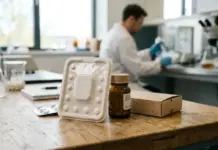
Versatility is perhaps the most distinctive feature of flexible manufacturing for medicine. Unlike rigid containers, which are often limited to specific shapes and sizes, flexible materials can be easily adapted to accommodate a wide variety of dosages and delivery methods. Whether it is a small sachet for a pediatric powder, a larger pouch for medical devices, or complex blister packs for daily medication regimens, the same basic technology can be tailored to the specific needs of the product. This flexibility allows manufacturers to respond quickly to market changes and produce different variants of a product on the same equipment with minimal downtime for changeovers. This agility is particularly valuable for contract manufacturing organizations (CMOs) that serve multiple clients with diverse packaging requirements.
Maintaining Integrity in Sterile Barrier Systems
Maintaining a secure sterile barrier systems is the absolute priority in any pharmaceutical packaging application. Flexible systems are designed with this requirement at the forefront. Advanced heat-sealing technologies ensure that every pouch or blister is perfectly hermetic, preventing the ingress of microorganisms. For products that require terminal sterilization, flexible materials are available that can withstand the intense heat of an autoclave or the chemical exposure of ethylene oxide gas. The integrity of these seals is verified through rigorous testing, including vacuum leak detection and burst testing, ensuring that the sterile field is never compromised until the package is opened by the end-user.
Patient-Centric Design for Improved Adherence
From a patient perspective, flexible packaging systems offer several practical benefits that can improve medication adherence. Modern pouches and sachets often feature easy-tear notches or laser-perforated lines that allow them to be opened without the need for scissors or excessive physical force. This is particularly beneficial for elderly patients or those with impaired dexterity. Furthermore, the ability to print high-resolution instructions and dosage calendars directly onto the flexible film ensures that critical information is always attached to the medication, reducing the risk of confusion. The portability of these formats also makes it easier for patients to manage their treatments on the go, further supporting consistent dosing.
Innovations in Smart and Intelligent Packaging
Looking forward, the integration of smart technology into flexible formats is the next major frontier. We are already seeing the development of flexible electronics and printed sensors that can be embedded directly into the laminate structure. These intelligent pouches can monitor the temperature of the drug, track when a dose has been dispensed, or even communicate with a smartphone to provide personalized health tips. As these technologies become more cost-effective, they will further enhance the value proposition of flexible packaging systems, transforming them from passive containers into active tools for health management. Pharma Advancement believes that by continuing to innovate at the intersection of material science and digital technology, the pharmaceutical industry is ensuring that drug delivery is as safe, efficient, and patient-friendly as possible.
