



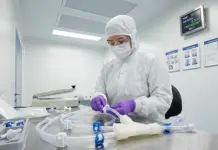







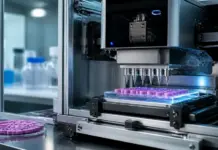
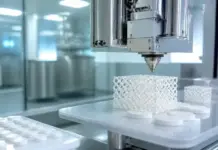

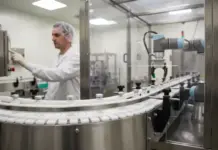
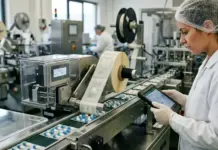



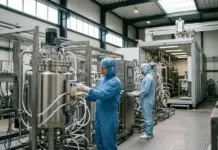



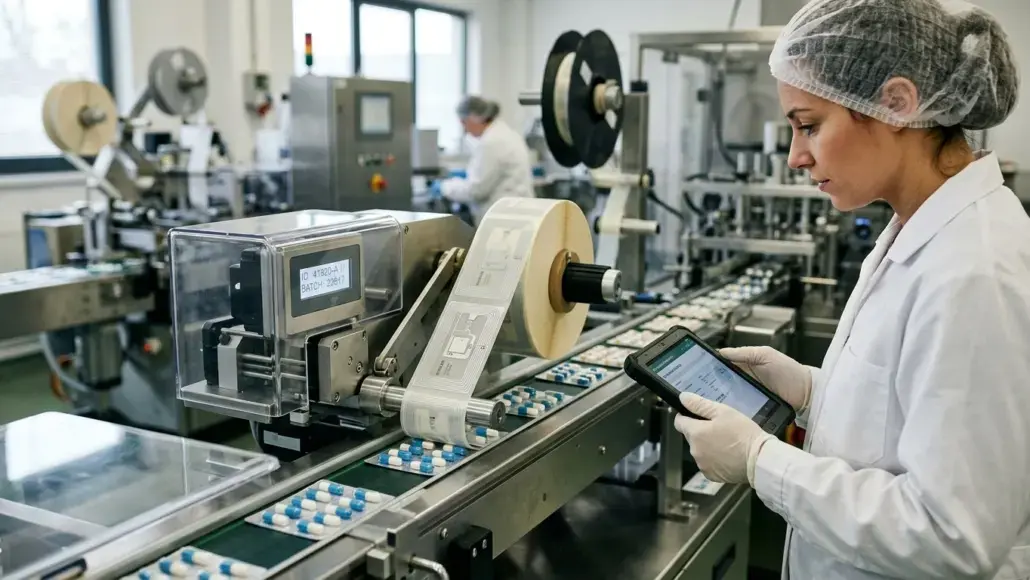
The pharmaceutical industry is undergoing a significant digital transformation that extends beyond drug discovery and manufacturing into packaging, serialization, and lifecycle management. Packaging has evolved from being a regulatory necessity into a strategic business function that supports supply chain visibility, operational efficiency, regulatory compliance, and brand protection. Pharma Advancement highlights that at the heart of this evolution is intelligent labelling, a technology-driven approach that enables pharmaceutical manufacturers to connect physical products with digital information ecosystems throughout the product lifecycle.
Unlike conventional labels that merely identify a product, intelligent labelling integrates technologies such as RFID, QR codes, NFC, sensors, cloud connectivity, and digital databases to deliver real-time information and traceability. These capabilities are becoming increasingly valuable as pharmaceutical companies operate across multiple geographies with complex regulatory requirements and increasingly sophisticated distribution networks.
For pharmaceutical manufacturers, contract development and manufacturing organizations (CDMOs), packaging suppliers, and logistics providers, intelligent labelling is emerging as a critical investment that supports serialization mandates, anti-counterfeiting initiatives, sustainability goals, and digital transformation strategies. Rather than simply improving product identification, it is enabling companies to build more transparent, compliant, and resilient pharmaceutical supply chains.
Strengthening Supply Chain Visibility Through Intelligent Packaging
Global pharmaceutical supply chains involve multiple manufacturing sites, distribution hubs, wholesalers, healthcare providers, and retail pharmacies. Maintaining complete product visibility throughout these stages has become essential for both operational performance and regulatory compliance.
One of the most significant advantages of intelligent labelling is its ability to provide real-time product tracking through RFID technology. Unlike conventional barcodes that require direct line-of-sight scanning, RFID tags can be read remotely and simultaneously across multiple products, cartons, or pallets. This dramatically improves warehouse automation, inventory accuracy, and shipment verification.
For pharmaceutical companies, RFID-enabled packaging reduces manual scanning errors, accelerates logistics operations, and supports efficient inventory management across global distribution networks. It also provides manufacturers with better control over product movement, enabling faster identification of bottlenecks, shipment delays, or unauthorized diversions.
These capabilities are particularly valuable as pharmaceutical companies expand cold chain operations for biologics, vaccines, and personalized medicines that require continuous monitoring throughout transportation.
Combating Counterfeit Medicines with Digital Authentication
Counterfeit pharmaceuticals remain one of the industry’s most significant commercial and public health risks. Illicit medicines not only threaten patient safety but also damage brand reputation, reduce revenue, and increase regulatory scrutiny.
Modern intelligent labelling platforms combine unique serialization codes, encrypted QR codes, RFID identifiers, and cloud-based authentication systems to verify product authenticity throughout the supply chain. Every package receives a unique digital identity that can be authenticated by distributors, wholesalers, pharmacies, and healthcare providers before dispensing.
When integrated with national track-and-trace systems, these technologies help manufacturers comply with evolving serialization regulations while significantly reducing opportunities for product diversion and falsification. The ability to authenticate products at every supply chain stage also strengthens recall management and improves visibility during regulatory inspections.
As governments continue strengthening anti-counterfeiting legislation, digital authentication has become an integral component of pharmaceutical packaging strategies.
Supporting Regulatory Compliance Through Digital Information Management
Managing regulatory content across international markets has become increasingly complex. Pharmaceutical companies must continuously update dosage instructions, contraindications, safety warnings, storage requirements, and multilingual product information while complying with diverse regional regulations.
Traditional printed leaflets often require lengthy revision cycles, large inventories, and multiple language-specific packaging variations. These processes increase operational costs while making rapid regulatory updates difficult.
Intelligent labelling addresses these challenges by connecting packaging to digital repositories through QR codes and secure cloud platforms. Healthcare professionals, regulators, distributors, and pharmacists can instantly access the latest approved prescribing information, instructional videos, storage guidelines, and multilingual documentation using a simple scan.
Electronic Instructions for Use (eIFU) further streamline regulatory compliance by allowing manufacturers to update digital content immediately following regulatory approvals without waiting for new packaging production runs. This improves document control while reducing the risk of outdated information remaining in circulation.
For multinational pharmaceutical companies, digital information management also simplifies compliance with evolving regulations across multiple jurisdictions while reducing printing complexity and inventory costs.
Smart Packaging Improves Cold Chain Integrity
The rapid growth of biologics, gene therapies, vaccines, and specialty pharmaceuticals has significantly increased the importance of temperature-controlled logistics. Even minor deviations during storage or transportation can compromise product quality and regulatory compliance.
Modern intelligent packaging incorporates miniature sensors capable of monitoring temperature, humidity, light exposure, shock, and other environmental conditions throughout the supply chain.
By integrating sensor technologies into intelligent labelling, manufacturers receive continuous visibility into product handling from production facilities to distribution centers and healthcare providers. Automated alerts can identify temperature excursions immediately, enabling logistics teams to isolate potentially compromised shipments before they reach the market.
This proactive monitoring supports Good Distribution Practice (GDP) compliance while reducing product waste, minimizing financial losses, and protecting product quality throughout transportation.
Driving Manufacturing Efficiency with Connected Packaging
Pharmaceutical manufacturing facilities are increasingly adopting Industry 4.0 technologies, including connected production equipment, robotics, AI-driven quality systems, and cloud-based manufacturing execution systems (MES).
Connected packaging solutions play an important role within this ecosystem by enabling automated verification, digital recordkeeping, and seamless integration between production lines and enterprise software.
Through intelligent labelling, manufacturers can automate packaging verification, improve line clearance procedures, reduce manual documentation, and collect operational data for continuous process improvement. Packaging information can also integrate directly with ERP, warehouse management, and serialization systems to create unified digital workflows.
The resulting data supports predictive analytics, production optimization, inventory forecasting, and more efficient quality assurance processes across manufacturing operations.
Advancing Sustainability Through Digital Packaging
Environmental sustainability has become a strategic priority across the pharmaceutical industry as companies pursue carbon reduction targets and circular economy initiatives.
Traditional packaging often requires extensive printed leaflets, multilingual documentation, and frequent reprinting following regulatory changes. These processes consume significant quantities of paper, ink, energy, and transportation resources.
Digital content delivery enabled by intelligent labelling allows manufacturers to reduce printed documentation while maintaining full regulatory compliance. Electronic instructions, online safety updates, digital training materials, and multilingual information repositories reduce paper consumption and simplify packaging design.
Beyond environmental benefits, fewer printed inserts also lower production costs, reduce packaging weight, optimize transportation efficiency, and minimize inventory obsolescence resulting from regulatory revisions.
As sustainability reporting becomes increasingly important for pharmaceutical organizations, connected packaging technologies contribute directly to broader ESG objectives.
Overcoming Implementation Challenges
Despite its advantages, widespread adoption of intelligent packaging requires careful planning and investment. Pharmaceutical companies must ensure compatibility between packaging technologies, enterprise software, serialization platforms, regulatory databases, and supply chain partners.
Global standardization remains an ongoing challenge, particularly as different regions continue developing varying digital labelling requirements and scanning protocols. Industry-wide collaboration will be essential to establish interoperable standards that facilitate seamless international distribution.
Cybersecurity also represents a critical consideration. As packaging becomes increasingly connected, manufacturers must protect digital identities, cloud databases, and communication channels from unauthorized access. Robust encryption, secure authentication protocols, and compliance with international data protection regulations are becoming fundamental requirements for connected packaging deployments.
Organizations must also evaluate implementation costs, workforce training, supplier readiness, and infrastructure upgrades to maximize long-term return on investment.
The Future of Intelligent Labelling in Pharmaceutical Manufacturing
Digital transformation is reshaping every stage of pharmaceutical operations, from research and manufacturing to packaging and distribution. Packaging is no longer viewed solely as a compliance requirement but as a strategic asset that generates operational intelligence, supports regulatory excellence, and strengthens supply chain resilience.
As artificial intelligence, Internet of Things (IoT), blockchain, and cloud computing continue to mature, intelligent labelling will become increasingly integrated with broader pharmaceutical digital ecosystems. Connected packaging will deliver richer data insights, enable predictive supply chain management, improve product authentication, and streamline regulatory reporting.
Pharma Advancement notes that for pharmaceutical manufacturers, packaging suppliers, CDMOs and logistics providers, adopting intelligent labelling is becoming less of a technology upgrade and more of a business necessity. Companies that invest in connected packaging today will be better positioned to improve operational efficiency, strengthen regulatory compliance, reduce counterfeiting risks, and build more resilient global pharmaceutical supply chains in the years ahead.
