











Knowledge Management Systems Strengthening GMP Compliance
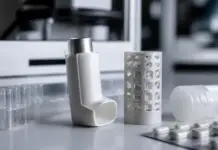
In the complex and highly regulated pharmaceutical environment, the ability to capture, store, and effectively utilize intellectual capital is critical for maintaining robust quality standards and ensuring continuous inspection readiness.
Single Use Facility Design Supporting Biopharma Agility
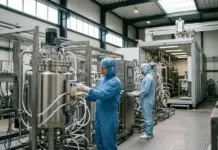
The paradigm shift toward disposable technologies is redefining the architectural and operational foundations of biopharmaceutical manufacturing, enabling rapid reconfiguration and significantly reducing the capital risks associated with traditional stainless-steel infrastructure.
Digital Validation Platforms Streamlining Facility Qualification
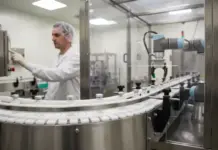
The transition from traditional paper-based validation to integrated digital platforms is revolutionizing how pharmaceutical facilities are qualified, offering unprecedented levels of data integrity, efficiency, and speed in meeting global GMP standards.
Energy Resilient Cleanrooms Reducing Operational Risk
In the face of rising energy costs and increasing climate volatility, the pharmaceutical industry must rethink cleanroom design to balance the rigorous demands of sterile manufacturing with the need for enhanced energy resilience and sustainability.
Pharma Utility Redundancy Improving Business Continuity
Ensuring the continuous operation of critical utilities such as purified water, clean steam, and HVAC systems is paramount for pharmaceutical manufacturers, where any interruption can lead to significant batch losses and compromised patient safety.
Flexible Manufacturing Facilities Supporting Cell Therapies
The paradigm shift from blockbusters to personalized medicine necessitates a new generation of adaptable manufacturing environments that can rapidly scale to meet the unique demands of cell and gene therapies while maintaining strict GMP compliance.
Utility Digitization Strengthening Pharma Resilience
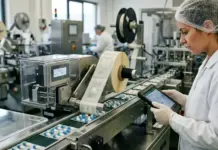
The modern pharmaceutical facility relies on a complex web of utilities that must remain operational at all times integrating digital monitoring and smart controls into these systems ensures that critical infrastructure remains robust, efficient, and capable of supporting continuous manufacturing.
Subscribe Our Newsletter
White Papers
The Future of Digital Health
The pharmaceutical industry is acutely aware that the future of health and care, particularly in the United States, are trending toward a digital revolution....
Five Best Practices to Deliver Exceptional Multichannel Experiences
A one-size-fits-all customer journey no longer works. In the age of the consumer, the quality of the interaction is paramount. In this paper, we...
The Impact and Use of Social Media in Pharmacovigilance
Social media presents new channels and methods for biopharmaceutical companies to move away from traditional pharmacovigilance (PV) systems and safety reporting methods towards more...