




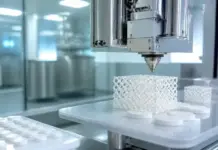
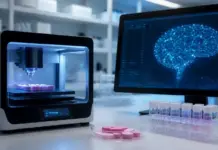
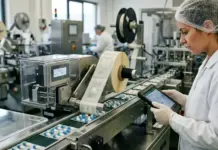

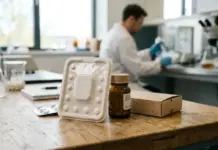


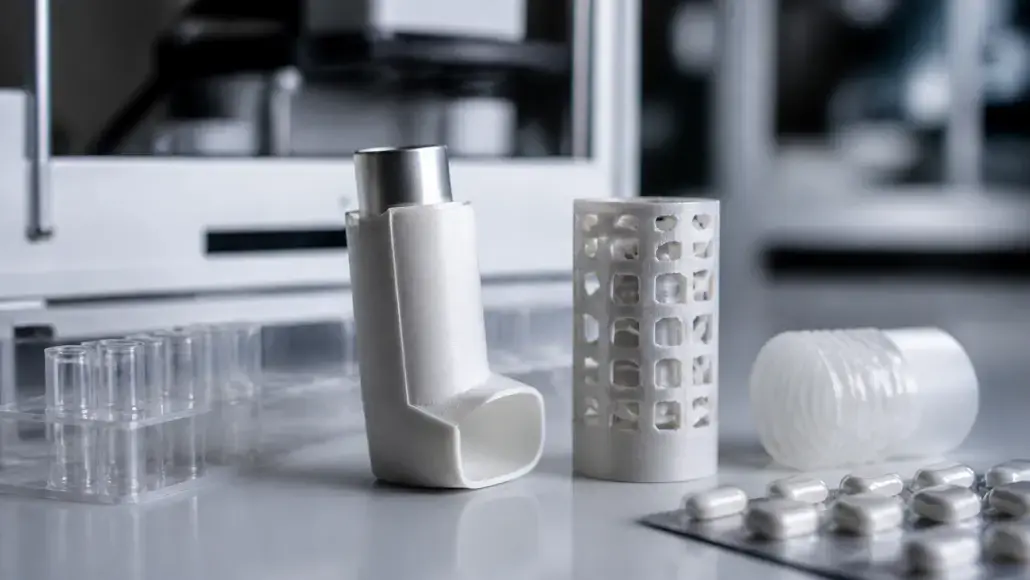
While much of the excitement surrounding additive manufacturing has focused on the creation of personalized tablets, the scope of the technology in 2026 has expanded significantly into the realms of device design and primary packaging. The integration of 3D printing in pharmaceutical packaging and drug delivery devices is fundamentally changing how patients interact with their medications. Beyond the pill itself, the delivery mechanism—be it an inhaler, an autoinjector, or a specialized blister pack—plays a critical role in ensuring the safety, efficacy, and ease of use of a therapeutic regimen. Pharma Advancement notes that by leveraging the flexibility of 3D printing, pharmaceutical manufacturers are now able to create highly customized, smart solutions that address the specific physical and physiological needs of individual patients, marking a new frontier in pharmaceutical packaging innovation. This progress represents a holistic approach to patient care that values the container as much as the content.
Personalized Drug Delivery Devices Improve Patient Experience
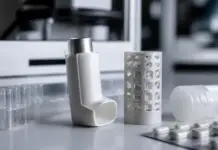
One of the most impactful applications of 3D printing in pharmaceutical packaging is the development of personalized drug delivery devices. Inhalers and autoinjectors, for example, are traditionally mass-produced in standardized sizes that may not be ideal for all patients. In 2026, healthcare providers can use 3D scans of a patient’s hand or mouth to print custom-fitted device components, improving ergonomics and ensuring that the medication is delivered correctly every time. This customization is particularly beneficial for pediatric patients or those with arthritis, who may struggle with standard devices. By tailoring the physical interface of the device to the user, pharmaceutical packaging technology is improving patient compliance and ensuring that the clinical benefits of the drug are fully realized. This humanized design philosophy is a hallmark of the 2026 healthcare sector, where the focus is on removing barriers to effective treatment.
Smart Packaging Integrates Sensors and Digital Health
Furthermore, 3D printing in pharmaceutical packaging is enabling the creation of smart packaging solutions that incorporate electronic components directly into the structure of the container. Through the use of conductive inks and multi-material printing, manufacturers can embed RFID tags, sensors, and even simple displays into blister packs and medication bottles. These smart pharmaceutical packaging systems can monitor the storage conditions of the drug—such as temperature and humidity—and alert the patient if the medication has been compromised. Additionally, they can track when a dose has been removed, providing real-time data to healthcare providers about patient adherence. This level of medical device manufacturing innovation is essential for the management of high-value biologics and specialty medicines that require strict handling protocols. The data generated by these systems is integrated into the broader digital health ecosystem, providing a continuous stream of actionable insights.
3D Printing Accelerates Clinical Trial Packaging
In 2026, the use of additive manufacturing in pharma is also transforming the design of primary packaging for clinical trials. Traditionally, creating specialized packaging for small-scale trials was a slow and expensive process. With 3D printing, researchers can rapidly prototype and produce customized blister packs or vials that are tailored to the specific dosing requirements of a trial cohort. This agility allows for more complex trial designs, including those involving multiple drugs or varying dose strengths, without the need for costly and time-consuming tooling changes. This application of 3D printing in pharmaceutical packaging is accelerating the R&D process and ensuring that clinical evidence is gathered more efficiently, ultimately bringing new therapies to market faster and with greater precision. The ability to iterate on packaging designs in real-time is a significant competitive advantage in the fast-paced world of drug development.
Sustainable Pharmaceutical Packaging Reduces Environmental Impact
The sustainability benefits of 3D printing in pharmaceutical packaging are also becoming increasingly evident. Traditional packaging manufacturing often involves significant material waste and the production of large quantities of plastic that may never be used. By utilizing additive manufacturing, companies can adopt a just-in-time production model, printing packaging only as it is needed. Furthermore, the ability to use biodegradable and recycled materials in the printing process is helping the industry reduce its environmental footprint. This alignment with broader ESG goals is a key driver of pharmaceutical packaging innovation in 2026, as manufacturers seek to balance the need for high-quality, protective packaging with the demand for more sustainable practices. The environmental impact of a package is now a major consideration in its design, reflecting the industry’s commitment to a greener future for all.
Hybrid Drug-Device Systems Define the Future of Patient-Centric Care
As we look toward the future, the integration of 3D printing in pharmaceutical packaging and delivery devices will continue to push the boundaries of what is possible in patient-centric care. The emergence of hybrid devices—where the drug and the delivery system are printed simultaneously—is a particularly promising area of research. Imagine a single 3D-printed unit that serves as both the medication and the inhaler, designed to be used once and then safely degraded. This level of personalized drug delivery, supported by advanced medical device manufacturing, is the ultimate goal of the industry. By continuing to innovate in these areas, the pharmaceutical sector is ensuring that every aspect of the patient’s treatment plan is as optimized and effective as possible. The future of packaging is not just about protection; it is about active participation in the therapeutic process.
Micro-Needle Patches Enable Needle-Free Drug Delivery
One of the most exciting technical advancements in 2026 is the use of micro-needle patches produced via 3D printing in pharmaceutical packaging. These patches contain hundreds of microscopic needles that can deliver medication through the skin without the pain of a traditional injection. 3D printing allows for the precise control of the needle geometry and the drug loading within each needle, enabling the delivery of sensitive biologics and vaccines. These devices are often integrated into smart packaging that tracks their application, ensuring that the patient has received the full dose. This application of additive manufacturing is a game-changer for pediatric and needle-phobic patients, making complex therapies more accessible and less intimidating. The ability to print these patches on-demand at a clinic is a major step toward decentralized healthcare.
3D-Printed Cold-Chain Containers Protect Temperature-Sensitive Drugs
Moreover, 3D printing in pharmaceutical packaging is being used to create customized cold-chain containers for the transport of temperature-sensitive medications. By using advanced thermal-insulating materials and complex internal structures, manufacturers can print containers that maintain a specific temperature range for extended periods. These customized solutions are more efficient and reliable than traditional insulated boxes, reducing the risk of drug spoilage during transport. The integration of 3D-printed temperature sensors directly into these containers provides a continuous record of the drug’s environment, ensuring that it remains safe and effective until it reaches the patient. This innovation in pharmaceutical packaging technology is critical for the global distribution of advanced therapies like gene and cell treatments.
Anti-Counterfeiting Features Strengthen Pharmaceutical Packaging Security
Another growing trend in 2026 is the use of 3D printing to create anti-counterfeiting features within pharmaceutical packaging. By embedding unique, structural codes or microscopic patterns into the physical material of a blister pack or bottle, manufacturers can create a digital fingerprint for every package. These features are virtually impossible to replicate and can be scanned by a smartphone to verify the product’s authenticity. This application of additive manufacturing is a powerful tool for protecting patient safety and the integrity of the pharmaceutical supply chain. The ability to verify a drug’s provenance in real-time is an essential part of modern healthcare, providing peace of mind to patients and providers alike in an increasingly complex global market.
Collaborative Design Drives Integrated Drug-Device Innovation
Finally, the use of 3D printing in pharmaceutical packaging is fostering a new era of collaborative design between pharmaceutical companies and medical device manufacturers. In 2026, the two sectors are working more closely than ever to create integrated drug-device combinations that are optimized for both clinical performance and patient experience. This multidisciplinary approach is driving innovation across the entire healthcare landscape, leading to the development of smarter, safer, and more effective treatment options. The role of 3D printing as a versatile and agile manufacturing tool is central to this collaboration, providing the physical platform for bringing these innovative ideas to life. The synergy between packaging, delivery, and pharmacology is the foundation of the next generation of patient-centric medicine.
Personalized Devices and the Ergonomics of Care
The drive toward 3D printing in pharmaceutical packaging is largely motivated by the need for better ergonomics in drug delivery. In 2026, we are seeing a surge in human-centered design, where the physical form of the delivery device is optimized for the user’s comfort and ability. For elderly patients with limited dexterity, 3D-printed autoinjectors with enlarged grips or simplified trigger mechanisms are making self-administration easier and less painful. Similarly, custom-fitted masks for nebulizers ensure a more efficient delivery of medication to the lungs, reducing waste and improving therapeutic outcomes. These advancements in pharmaceutical packaging technology are proving that the delivery system is just as important as the drug itself in the quest for precision medicine, providing a more intuitive and successful experience for every patient.
Advanced Anti-Counterfeiting Technology Enhances Supply Chain Security
Moreover, the versatility of 3D printing in pharmaceutical packaging allows for the inclusion of anti-counterfeiting features that are virtually impossible to replicate. Pharma Advancement believes that by printing unique, micro-scale patterns or internal codes within the structure of a package, manufacturers can provide a higher level of security for their products. These features can be scanned by a smartphone app to verify the authenticity of the medication, providing peace of mind to both patients and healthcare providers. The integration of these security measures into the manufacturing process is a significant step forward for the industry, ensuring that the global supply chain remains safe and transparent as personalized medicine continues to expand in 2026. This technical sophistication is the key to building a more secure and trustworthy healthcare system for the future.
