























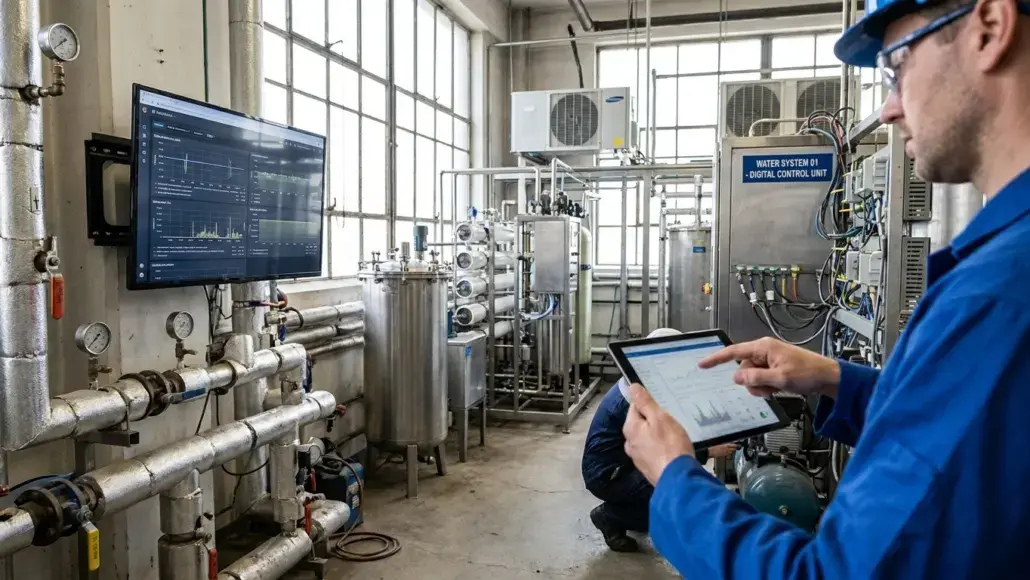
In the intricate world of pharmaceutical manufacturing, the spotlight often falls on the bioreactors, filling lines, and advanced analytical equipment that directly handle the product. However, the true heartbeat of any facility lies in its utilities the purified water systems, clean steam, compressed air, and HVAC systems that provide the essential environment for sterile production. Historically, these systems were managed as “black boxes,” with manual checks and basic alarms serving as the primary oversight. This reactive approach is no longer sufficient in an era of high-value therapies and global supply chain volatility. Utility digitization is emerging as the cornerstone of facility resilience, transforming passive infrastructure into intelligent, data-driven assets that can predict failures, optimize energy consumption, and ensure uninterrupted business continuity.
The Foundation of a Smart Utility Ecosystem
Utility digitization begins with the transition from traditional, siloed monitoring to a fully integrated digital ecosystem. This involves the deployment of high-precision sensors across all utility nodes, connected through a robust Industrial Internet of Things (IIoT) framework. By capturing real-time data on parameters such as conductivity, pressure, flow rates, and temperature, manufacturers gain a granular view of their utility health. This transparency is the first step toward resilience, as it allows for the detection of subtle deviations that might indicate a developing problem long before a catastrophic failure occurs.
The integration of this data into centralized platforms like a Building Management System (BMS) or an Environmental Monitoring System (EMS) creates a unified view of the facility’s operational state. In a digitized environment, the water-for-injection (WFI) system is no longer just a set of pipes it is a live data stream. This connectivity enables “smart utilities” to communicate with the production floor, automatically adjusting supply based on demand and ensuring that resources are allocated efficiently. This synergy between utilities and production is essential for maintaining the tight tolerances required for modern pharmaceutical processes.
Predictive Maintenance and the Elimination of Downtime
The most significant impact of utility digitization on pharma resilience is the move toward predictive maintenance. In a traditional model, utility equipment is serviced on a fixed schedule, regardless of its actual condition. This often leads to unnecessary maintenance on healthy machines or, worse, unexpected failures of components that were assumed to be fine. Digitization changes the game by using machine learning algorithms to analyze historical and real-time data to identify the unique “signatures” of impending failure.
For instance, a digital twin of a clean steam generator can monitor vibration patterns and thermal efficiency to predict when a heating element is likely to fail or when a valve is beginning to leak. This allow maintenance teams to intervene during planned shutdowns, preventing the nightmare scenario of a utility failure during a critical production batch. In the pharmaceutical industry, where a single lost batch can cost millions of dollars, the ROI of predictive maintenance is clear. Utility digitization ensures that the facility remains in a state of constant readiness, drastically reducing the operational risk associated with legacy infrastructure.
Enhancing Business Continuity Through Data-Driven Resilience
Business continuity is the ability of a company to maintain its essential functions during and after a disaster. In the context of a pharma plant, this means keeping the lights on and the cleanrooms sterile, even in the face of external disruptions like power outages or water shortages. Utility digitization strengthens this resilience by providing the data needed for sophisticated contingency planning. Smart systems can automatically switch to backup power sources, prioritize critical loads, and manage water reserves with surgical precision.
Furthermore, the data generated by digitized utilities allows for a level of “what-if” modeling that was previously impossible. Facility managers can simulate various failure scenarios to identify the weakest links in their utility network. By understanding exactly how long a cleanroom can maintain its pressure differential during a power blip, or how long a WFI tank can supply the site during a municipal water main break, companies can develop more robust and realistic business continuity plans. Utility digitization transforms resilience from a vague goal into a measurable, manageable metric.
Optimizing Efficiency and Sustainability in Utility Management
While resilience is the primary driver, utility digitization also offers profound benefits in terms of operational efficiency and environmental sustainability. Pharmaceutical facilities are notoriously energy-intensive, and utilities account for a significant portion of that consumption. Digitized systems allow for “demand-side management,” where utility production is throttled up or down in real-time based on actual manufacturing needs. This prevents the wasteful practice of running HVAC or WFI systems at full capacity when the plant is idle.
Moreover, digitization enables more effective water and energy recovery. Smart sensors can identify opportunities to recycle heat from steam condensate or reuse water from cooling loops, reducing both the environmental footprint and the operating costs of the facility. As the pharmaceutical industry faces increasing pressure from regulators and investors to demonstrate a commitment to sustainability, utility digitization provides the data-rich foundation needed to meet these goals. A resilient facility is not just one that stays running it is one that operates at peak efficiency, utilizing every kilowatt and liter to its fullest potential.
Navigating the Path to a Digitized Future
The journey toward full utility digitization requires a strategic approach that balances technological innovation with cybersecurity and regulatory compliance. As utilities become more connected, they also become potential targets for cyberattacks. Robust cybersecurity measures, including network segmentation and encrypted communication protocols, must be baked into the design of any digital utility project. Furthermore, the data generated by these systems must be handled in accordance with ALCOA+ principles to ensure it can be used for regulatory reporting and validation.
The transition also requires a cultural shift within the facility. Maintenance teams must be trained to use data analytics tools, and operations teams must learn to trust the insights provided by smart systems. Collaboration between IT and OT departments is essential to ensure that the digital infrastructure is as reliable as the physical pipes and pumps it manages. Despite these challenges, the benefits of utility digitization are undeniable. It is the bridge between the legacy plants of the past and the high-performance, resilient facilities of the future.
Conclusion: The Strategic Necessity of Digitization
Utility digitization is no longer an optional upgrade it is a strategic necessity for any pharmaceutical manufacturer looking to thrive in a complex global market. By transforming utilities from overlooked back-end systems into intelligent, resilient assets, companies can protect their production, ensure the safety of their products, and build a more sustainable future. The data-driven insights provided by smart utilities empower facility managers to move from a posture of reaction to one of proactive control. In the end, utility digitization strengthening pharma resilience is the key to ensuring that life-saving medicines are always available to the patients who need them, regardless of the challenges the world may throw at the manufacturing floor.
