






















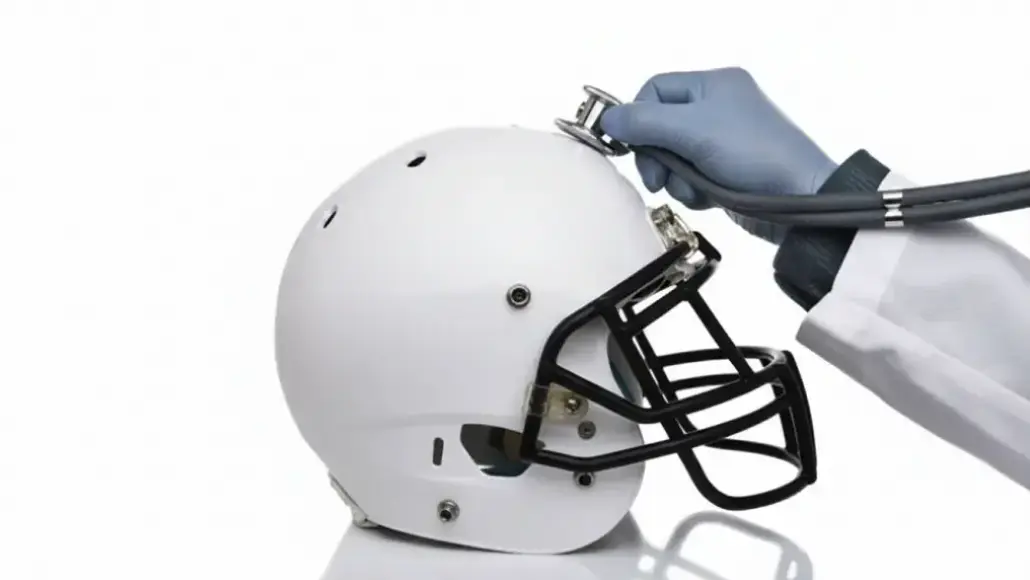

Concussions remain one of the most prevalent and undertreated neurological injuries worldwide. Despite growing awareness around traumatic brain injury (TBI) in sports, military medicine, and emergency care, treatment options remain limited, with no FDA-approved therapeutic specifically indicated for concussion or mild traumatic brain injury.
This gap has prompted renewed interest in novel CNS drug delivery approaches, particularly those capable of delivering treatment rapidly following the occurrence of an injury. Among the emerging strategies, intranasal administration is gaining momentum as a potentially transformative modality.
An Unmet Need in Neurotrauma
Over 69 million patients globally experience a concussion each year. While most cases are classified as mild traumatic brain injury, the downstream biological consequences can be significant. Patients often experience headaches, dizziness, cognitive impairment, sleep disturbance, and, in some cases, persistent neurological symptoms that can last weeks, months, or years.
Current clinical management remains largely supportive. Patients are evaluated, monitored, and advised on rest and symptom management, but there is no approved intervention to actively reduce the secondary biochemical injury cascade following trauma.
That secondary cascade including oxidative stress, neuroinflammation, excitotoxicity, and mitochondrial dysfunction has become a major focus of neurotrauma research. Because these processes evolve over hours after injury, many researchers view the immediate post-injury period as a critical therapeutic window.
The challenge has been delivering an effective therapeutic quickly enough (and directly enough) to alter that progression.
Why Intranasal Delivery is Drawing Attention
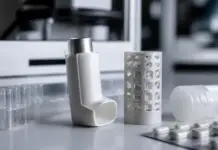
Intranasal delivery has become an increasingly important area of interest across CNS therapeutics because it offers the potential to bypass some of the traditional barriers that have historically limited neurological drug development.
Unlike oral administration, intranasal delivery avoids first-pass metabolism and gastrointestinal degradation. Unlike IV administration, it requires no needles or clinical setup. Most importantly for neurological applications, it may enable more direct access to the central nervous system via the nasal cavity.
For acute indications such as concussions, this creates several practical advantages:
- Rapid administration immediately after injury
- Non-invasive dosing outside hospital settings
- Potentially improved CNS exposure
- Portability for use in sports medicine, military settings, emergency response, or ambulatory care
- Reduced delay between injury and treatment
These attributes align particularly well with concussions, where therapeutic effectiveness may depend heavily on how quickly intervention occurs.
Repurposing Known Molecules for New Neurological Applications
One notable trend across biotech is the repurposing of well-characterized molecules with established safety profiles into novel delivery systems or indications. This approach can reduce development risk while opening new therapeutic applications.
Within this space, Beyond Barriers Therapeutics is developing BBT-101, an intranasal formulation of N-acetylcysteine (NAC) for mild and moderate traumatic brain injury.
NAC has long been recognized for its antioxidant properties and for its role in glutathione replenishment. Its mechanism of reducing oxidative stress makes it particularly relevant in neurological injury, where oxidative damage is a major contributor to secondary tissue injury following trauma.
By pairing NAC with a proprietary intranasal delivery strategy, Beyond Barriers is exploring whether a familiar therapeutic agent can be adapted into a field-ready intervention for acute brain injury.
The company’s development strategy reflects a broader industry movement toward combining established compounds with novel delivery technologies to address unmet needs in CNS care.
A Market Positioned for Innovation
Several healthcare sectors are converging around the need for better concussion treatment.
Sports Medicine
Concussion protocols in professional, collegiate, and youth athletics continue to evolve, but treatment remains limited once injury occurs. As awareness of long-term neurological effects grows, interest in rapid-response therapeutic intervention continues to increase.
Military Medicine
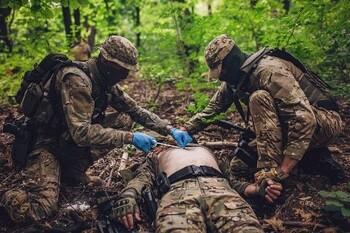
Traumatic brain injury remains one of the most common injuries among active-duty military personnel. Blast exposure and training-related injuries continue to create demand for therapies that can be administered in austere or field-forward environments.
Intranasal therapeutics offer a practical advantage in these settings because they can be delivered without IV access and with minimal equipment.
Emergency and Acute Care
Emergency departments continue to manage large volumes of head trauma annually, yet clinicians lack a pharmacologic intervention specifically designed to mitigate early neurological injury progression following a concussion.
This presents a substantial opportunity for therapeutic innovation in acute care medicine.
Broader Implications for CNS Drug Development
Although concussion may be the initial target, the broader implications of nose-to-brain delivery extend well beyond neurotrauma.
Oxidative stress and neuroinflammation are implicated across multiple neurological disorders, including seizure disorders, strokes, neurodegenerative disease, and cognitive decline.
As a result, successful validation of intranasal CNS delivery platforms could create opportunities across multiple indications.
For biopharma companies, this represents more than a single-product opportunity, instead pointing toward platform potential.
The broader industry has already seen increasing interest in intranasal delivery across seizure rescue medications, migraine therapies, and neuropsychiatric indications. The next phase may be expansion into acute neuroprotection and traumatic injury.
Looking Ahead
Concussion treatment has remained largely unchanged for decades despite growing scientific understanding of brain injury biology.
That may be beginning to shift.
Improved diagnostics, biomarker development, and advances in CNS drug delivery are creating a more favorable environment for therapeutic development than ever before. At the same time, healthcare systems are increasingly prioritizing earlier intervention in neurological injury rather than observation alone.
Intranasal therapeutics sit at the center of that evolution.
Whether in sports medicine, military applications, or emergency care, the ability to deliver a therapeutic at the point of injury (within minutes rather than hours) could fundamentally reshape the treatment paradigm for concussion.
For the broader pharmaceutical industry, Beyond Barriers Therapeutics reflects an emerging category worth watching companies applying novel delivery science to longstanding neurological challenges.
If successful, these efforts may not only change how a concussion is treated, but how acute brain injury is managed altogether.
