















The global pharmaceutical landscape is currently experiencing a seismic shift as the first generation of blockbuster biologics reaches the end of its patent protection. At the forefront of this transition are monoclonal antibody biosimilars—recombinant monoclonal antibodies that are designed to be highly similar to their reference products in terms of safety, purity, and potency. Monoclonal antibodies have revolutionized the treatment of chronic and life-threatening conditions, including oncology, immunology, and rare diseases, by providing targeted therapy that was previously impossible. As the industry enters its next major growth phase, monoclonal antibody biosimilars are poised to expand patient access, drive down healthcare costs, and stimulate a new wave of pharmaceutical innovation across the globe. For payers, providers, and patients, the arrival of these high-quality alternatives represents a fundamental democratization of modern medicine.
The technical complexity of monoclonal antibody biosimilars is an order of magnitude higher than that of traditional small-molecule generics. Monoclonal antibodies are large, heterogeneous glycoproteins (~150 kDa) expressed in living cell lines, predominantly Chinese Hamster Ovary (CHO) cells. The manufacturing process involves a delicate and highly sensitive balance of upstream cell culture and downstream purification, where even minor shifts in critical process parameters (CPPs)—such as temperature, pH, or dissolved oxygen—can alter the product’s post-translational modifications (PTMs). For a biosimilar to be approved by agencies like the FDA or EMA, it must undergo a rigorous totality of evidence analytical characterization, proving that its N-glycosylation profiles, charge variants, and higher-order structures are comparable to the reference biologic. This requires an orthogonal battery of testing, including high-resolution mass spectrometry (LC-MS/MS), which acts as a molecular fingerprinting tool for the developer.
Manufacturing Advances and Process Intensification
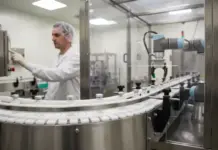
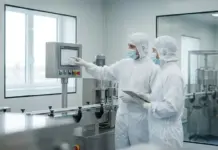
The drive for monoclonal antibody biosimilars is accelerating the adoption of next-generation bioprocessing technologies, fundamentally changing the economics of biologic production. To remain competitive in a market defined by aggressive price erosion, manufacturers are turning to process intensification and continuous biomanufacturing. By moving from traditional, large-scale fed-batch systems to continuous perfusion bioreactors, companies can significantly increase volumetric productivity while reducing the physical footprint of their facilities by up to 70%. Furthermore, the widespread adoption of single-use technologies (SUT) allows for greater operational agility, enabling multi-product modular facilities to pivot between different biosimilar campaigns with minimal downtime and zero cleaning validation overhead. This flexibility is essential for responding to localized supply shocks and managing the diverse portfolios required by global pharma firms.
These manufacturing advances are complemented by the use of Process Analytical Technology (PAT) and AI-driven control systems. In-line Raman spectroscopy and automated sampling allow for real-time monitoring of critical quality attributes (CQAs) directly inside the bioreactor. By using digital twins to model and control the bioprocess, manufacturers can steer the glycosylation and aggregation profiles of the monoclonal antibody biosimilars toward the precise target specifications of the reference product. This Quality by Design (QbD) approach not only ensures a higher degree of biosimilarity but also significantly reduces the risk of costly batch failures, further lowering the cost of goods sold (COGS) and improving the long-term bankability of biosimilar projects in both developed and emerging markets.
Expanding Market Access and the Second Wave of Patent Cliffs
The current growth phase of the mAb biosimilar market is being propelled by a second wave of major patent expirations for blockbuster biologics. Antibodies that have dominated the market for decades, such as adalimumab (Humira), ustekinumab (Stelara), and aflibercept (Eylea), are now facing direct competition from biosimilars. This competition is driving significant price reductions—often between 30% and 70%—which in turn expands the addressable patient population and reduces the burden on national healthcare budgets. In many developed markets, the savings generated by biosimilars are being reinvested into the adoption of even newer, more expensive innovative therapies like cell and gene products, creating a sustainable cycle of medical advancement that protects the future of innovation.
Furthermore, the regulatory environment for monoclonal antibody biosimilars is becoming more streamlined and analytically focused. Both the FDA (via the 351(k) pathway) and the EMA have recently updated their reflection papers to emphasize the importance of high-resolution analytical and functional characterization over large-scale, comparative clinical efficacy studies. If a manufacturer can prove structural and functional equivalence through an exhaustive fingerprint-like laboratory package and robust pharmacokinetic (PK) studies, the requirement for a Phase III clinical trial may be waived. This shift significantly reduces the development time and capital requirement for monoclonal antibody biosimilars, allowing them to reach patients faster and fostering a more competitive and equitable global market environment that rewards analytical excellence over redundant clinical testing.
Biosimilar Interchangeability and Switching Studies
A key driver of the next growth phase is the increasing clarity around biosimilar interchangeability and its impact on clinical practice. In the United States, an interchangeable biosimilar may be substituted for the reference product at the pharmacy level without the intervention of the prescribing physician, similar to how generic drugs are handled. Achieving this status historically required additional switching studies to prove that alternating between the biosimilar and the originator does not increase immunogenicity or reduce efficacy. However, as the industry gathers more real-world evidence from millions of patient-years of exposure, regulatory agencies are moving toward a model where interchangeability is granted based on the strength of the analytical similarity data alone, recognizing that a well-characterized biosimilar is biologically the same as its originator.
In Europe, the EMA and the Heads of Medicines Agencies (HMA) have already clarified that all approved biosimilars are scientifically interchangeable with their reference biologics. This regulatory harmony is essential for building physician and patient trust, which has historically been a bottleneck for biosimilar adoption. As the evidence base grows and clinical experience with monoclonal antibody biosimilars becomes the norm in oncology and immunology clinics, the barriers to switching will continue to lower. This will drive even higher volume shares for biosimilars in both the retail and hospital segments of the pharmaceutical market, ensuring that the health systems can maintain the highest standards of care while managing the rising costs of an ageing population.
Immunogenicity, Bioanalysis and Safety Monitoring
The safety profile of monoclonal antibody biosimilars is anchored in the rigorous assessment of immunogenicity. Because mAbs are produced in living cells, they can induce the production of anti-drug antibodies (ADAs) in patients. Even minor differences in PTMs, such as the presence of high-mannose glycans or host cell proteins, can trigger an immune response that neutralizes the drug’s efficacy or causes adverse events. To manage this risk, biosimilar developers utilize a tiered assay strategy—screening, confirmatory, and titration assays—using high-sensitivity platforms like Electro-Chemiluminescence (ECL) or Surface Plasmon Resonance (SPR). These tools allow for the precise detection of neutralizing antibodies (NAbs) and ensure that the biosimilar’s safety profile is non-inferior to the reference biologic.
Post-market pharmacovigilance is also a critical component of the biosimilar ecosystem. Regulators require robust Risk Management Plans (RMP) to monitor the long-term safety of biosimilars in the real world. The use of distinct naming conventions, including non-proprietary stems with four-letter suffixes, facilitates accurate batch tracking and allows for the rapid identification of any safety signals. This level of oversight ensures that any potential issues are addressed quickly, maintaining the high levels of patient trust that are essential for the continued growth of the biosimilar market. As digital health tools and real-world data (RWD) become more integrated into healthcare, the ability to monitor biosimilar performance in real-time will further enhance the safety and efficacy of these vital treatments.
Strategic Takeaways for the Biologic Growth Phase
As the industry moves toward a third wave of biosimilars targeting oncology titans like pembrolizumab (Keytruda) and nivolumab (Opdivo), the strategic importance of monoclonal antibody biosimilars will only increase. Success in this high-stakes sector requires a combination of technical excellence, manufacturing efficiency, and legal agility.
Monoclonal antibody biosimilars are the primary engine of growth and sustainability in the modern biopharmaceutical sector. By leveraging advanced analytical tools, continuous biomanufacturing, and PAT-driven controls, the industry is overcoming the technical hurdles of producing complex recombinant proteins at scale. The transition toward analytical-centric regulatory pathways and the expansion of market access through price competition are fundamentally reshaping the global healthcare landscape, providing a clear path toward universal access to targeted therapies for all patients.
To succeed in the next growth phase, stakeholders must prioritize the development of flexible, single-use manufacturing networks and the integration of AI-driven digital twins to ensure comparability by design. The ability to match the subtle micro-heterogeneity of reference products while maintaining low production costs will be the defining competitive advantage of the 21st-century biosimilar manufacturer. As the patent cliffs of major biologics approach, those who lead in the production of monoclonal antibody biosimilars will be the ones who define the future of sustainable and affordable healthcare for patients worldwide, ensuring that innovation and access go hand in hand.
