














The biopharmaceutical industry is currently witnessing the emergence of a new and highly potent class of targeted therapeutics: Antibody-Drug Conjugates (ADCs). These complex molecules, which combine the exquisite precision of a monoclonal antibody (mAb) with the relentless killing power of a cytotoxic small-molecule payload, have redefined the standard of care for many difficult-to-treat oncology indications. However, as the first generation of these blockbuster ADCs—such as trastuzumab emtansine (Kadcyla) and brentuximab vedotin (Adcetris)—approaches its loss of exclusivity, the industry’s focus is shifting toward the development of ADC biosimilars. This represents the next frontier in complex biologic competition, offering the potential to expand access to life-saving targeted therapies while presenting unprecedented challenges in manufacturing, analytical characterization, and regulatory science. For patients and healthcare providers, the arrival of ADC biosimilars promises to bring the same level of affordability to targeted oncology that monoclonal antibody biosimilars have brought to traditional immunotherapy.
Developing ADC biosimilars is an order of magnitude more difficult than producing standard monoclonal antibody biosimilars. An ADC is a tripartite molecule, consisting of the antibody, a chemical linker, and the cytotoxic payload. Establishing biosimilarity requires proving comparability across all three distinct domains. The manufacturer must not only match the primary structure and glycosylation of the antibody but also replicate the precise Drug-to-Antibody Ratio (DAR) and the conjugation site distribution of the reference product. Because early ADCs often utilized random conjugation methods (via lysine or interchain cysteine residues), they consist of a highly heterogeneous mixture of hundreds of positional isomers and DAR species. Pharma Advancment notes that replicating this ordered chaos in a biosimilar requires extraordinary analytical precision and bioprocess control to ensure equivalent pharmacokinetics, tissue distribution, and clinical efficacy.
The Challenge of Multi-Tiered Manufacturing
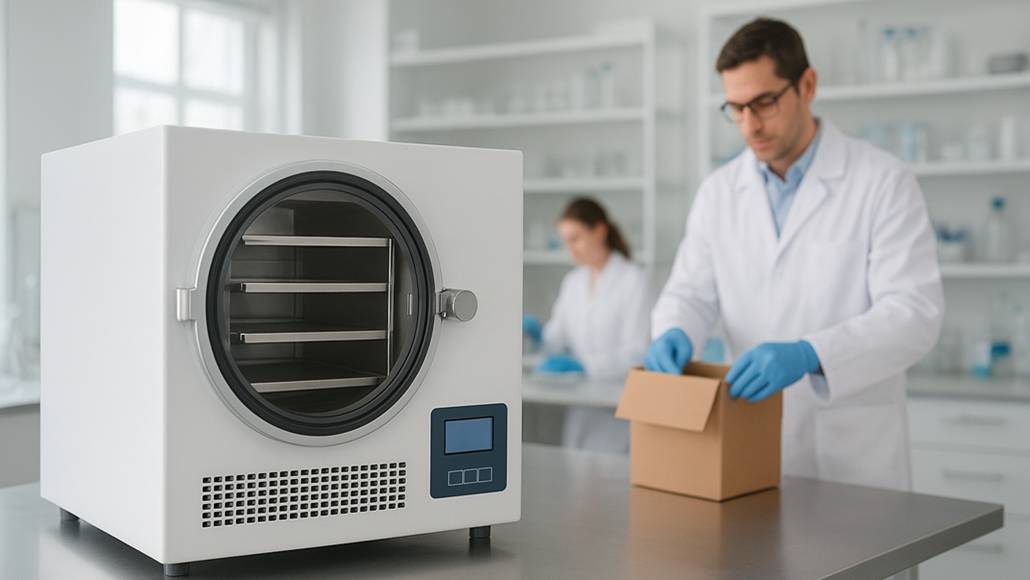
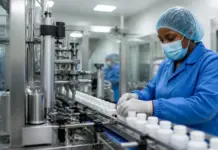
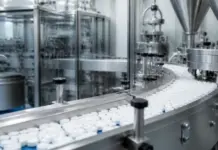
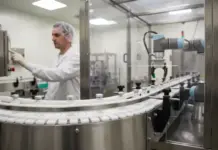
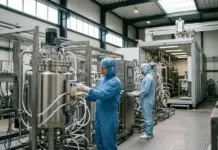
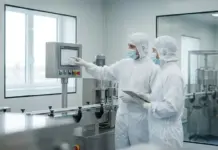
The production of ADC biosimilars involves a multi-disciplinary manufacturing process that spans the divide between biological and chemical disciplines. First, the monoclonal antibody must be produced in a high-fidelity mammalian cell culture environment, typically using Chinese Hamster Ovary (CHO) cells. Second, the cytotoxic payload—such as MMAE, DM1, or next-generation topoisomerase I inhibitors—along with its associated chemical linker, must be synthesized through complex, multi-step organic chemistry. Finally, the two components must be conjugated in a precisely controlled reaction. This process requires specialized High Potency Active Pharmaceutical Ingredient (HPAPI) containment facilities to protect operators from the ultra-toxic payloads, which are often thousands of times more potent than traditional chemotherapy agents, with occupational exposure limits (OEL) often below 10 nanograms per cubic meter.
Downstream purification for ADC biosimilars is equally demanding and critical for safety. The manufacturer must remove residual unconjugated antibody, free payload, and undesirable DAR species to ensure a consistent and safe product profile. Advanced chromatography techniques, such as Hydrophobic Interaction Chromatography (HIC), Reversed-Phase LC-MS, and Size-Exclusion Chromatography (SEC), are essential for achieving the required purity and for characterizing the Drug Loading Distribution (DLD). For ADC biosimilars to be commercially viable, these multi-step processes must be optimized to achieve high yields while maintaining the strict quality attributes defined by the reference biologic, ensuring that the biosimilar is truly comparable in its totality of evidence and provides a reliable therapeutic outcome for the patient.
Analytical Comparability and the Totality of Evidence
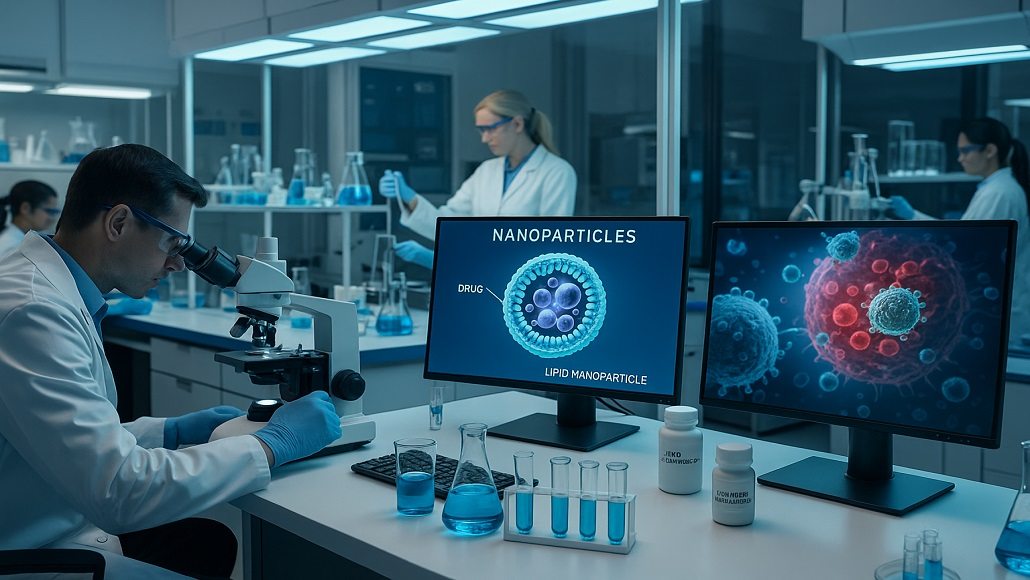
Regulatory approval for ADC biosimilars hinges on a rigorous totality of evidence approach, with an unprecedented emphasis on high-resolution analytical comparability. To map the structural landscape of these complex molecules, developers utilize an orthogonal battery of state-of-the-art testing. High-resolution mass spectrometry (LC-MS) and Native MS are used to determine the exact DAR distribution and to identify any post-translational modifications that might affect the molecule’s stability. Peptide mapping and IdeS digestion followed by middle-down LC-MS identify the specific sites where the payload is attached. Functional assays, including target binding affinity via surface plasmon resonance (SPR) and cell-based cytotoxicity assays, are essential to prove that the ADC biosimilar possesses the same biological activity, internalization kinetics, and bystander effect as the originator.
Furthermore, the immunogenicity of ADC biosimilars is a critical safety consideration that requires extensive and longitudinal validation. The conjugation process can sometimes create neo-epitopes, expose hidden hydrophobic regions, or promote protein aggregation, all of which could trigger an unwanted immune response in patients. Establishing that the biosimilar’s anti-drug antibody (ADA) profile—including antibodies against the mAb, the linker, and the payload—is comparable to the reference product requires clinical data and sophisticated bioanalytical validation. As regulators like the FDA and EMA begin to finalize draft guidance for complex biosimilars, the industry is moving toward a more standardized framework for demonstrating the safety, purity, and potency of these next-generation targeted therapies, ensuring that fingerprint-like similarity is achieved.
The Rise of Site-Specific Conjugation and Bio-Betters
The competitive landscape for ADC biosimilars is further complicated by the rise of bio-betters and next-generation conjugation technologies. Because matching the exact heterogeneity of early random-conjugated ADCs is so technically challenging, many companies are opting to develop improved versions that target the same antigens but utilize site-specific conjugation (e.g., THIOMAB or enzymatic coupling). These bio-betters offer a much more homogenous product with a precise DAR (typically 2 or 4), enhanced pharmacokinetic stability, and a potentially broader therapeutic window. For manufacturers of ADC biosimilars, this means they must not only compete on price with the originator but also on clinical value with these newer, more refined innovative therapies. This competition is driving a wave of innovation in ADC bioprocessing, leading to more stable linkers and more effective payloads.
This strategic tension is also forcing developers to explore the use of advanced cleavable linkers and bystander effect payloads that can kill neighboring tumor cells, even if they don’t express the target antigen. For a biosimilar to remain relevant in this rapidly evolving market, it must be produced using a process that is flexible enough to incorporate these advances while remaining within the regulatory boundaries of biosimilarity. This requires a deep and nuanced understanding of the structure-function relationship of the ADC, allowing for precise steering of the conjugation process to match the reference biologic’s clinical profile exactly while optimizing for the high-yield production required to drive down costs.
Global Supply Chain and Specialized Logistics for ADCs
Beyond manufacturing, the commercialization of ADC biosimilars requires a specialized global supply chain. Because ADCs contain both biological and chemical components, the supply chain must handle the transport of ultra-toxic small molecules and fragile recombinant proteins simultaneously. The cold chain requirements are stringent, often necessitating continuous monitoring from the factory to the pharmacy. Furthermore, the final product must be handled with extreme care by healthcare providers to prevent accidental exposure to the potent payloads. This requires a high degree of coordination between the manufacturer, the logistics provider, and the oncology clinic.
The expansion of ADC biosimilars into emerging markets introduces further challenges, including the need for specialized oncology pharmacy infrastructure and local HPAPI handling expertise. However, the potential for these therapies to replace older, less effective chemotherapy regimens in these regions is a powerful driver for investment. By building a secure and transparent supply chain for ADC biosimilars, the industry can ensure that patients in every corner of the world have access to the most advanced cancer treatments available, fundamentally improving global oncology outcomes and reducing the disparities in cancer care.
Strategic Takeaways for Complex Biologic Frontiers
The arrival of ADC biosimilars represents a major milestone in the evolution of the global biopharmaceutical industry. For manufacturers, regulators, and patients, the key to success lies in mastering the immense complexity of conjugation, purification, and high-fidelity characterization.
ADC biosimilars are the definitive next frontier in complex biologic competition, providing a path toward affordable and effective targeted oncology care. Pharma Advancement believes that by integrating high-fidelity mAb production with precise chemical conjugation and specialized HPAPI containment, the industry is expanding the reach of some of the most potent cancer treatments ever developed. The success of this transition depends on the ability to replicate the complex DAR species and positional isomers of reference products while managing the unique safety risks associated with systemic payload release and immunogenicity.
To lead in this high-growth sector, stakeholders must prioritize the development of advanced bioanalytical multi-attribute methods (MAM) and the integration of site-specific conjugation technologies where appropriate to ensure product homogeneity. The move toward ADC biosimilars requires a holistic and multi-disciplinary strategy that includes not only biological and chemical manufacturing but also the specialized analytical and purification infrastructure needed to operate safely at scale. By investing in these complex capabilities today, the pharmaceutical industry can secure a more sustainable, equitable, and effective future for targeted oncology patients worldwide, ensuring that the next generation of cancer care is accessible to all who need it, regardless of economic barriers.
