







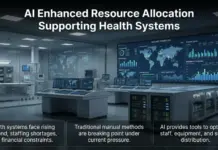













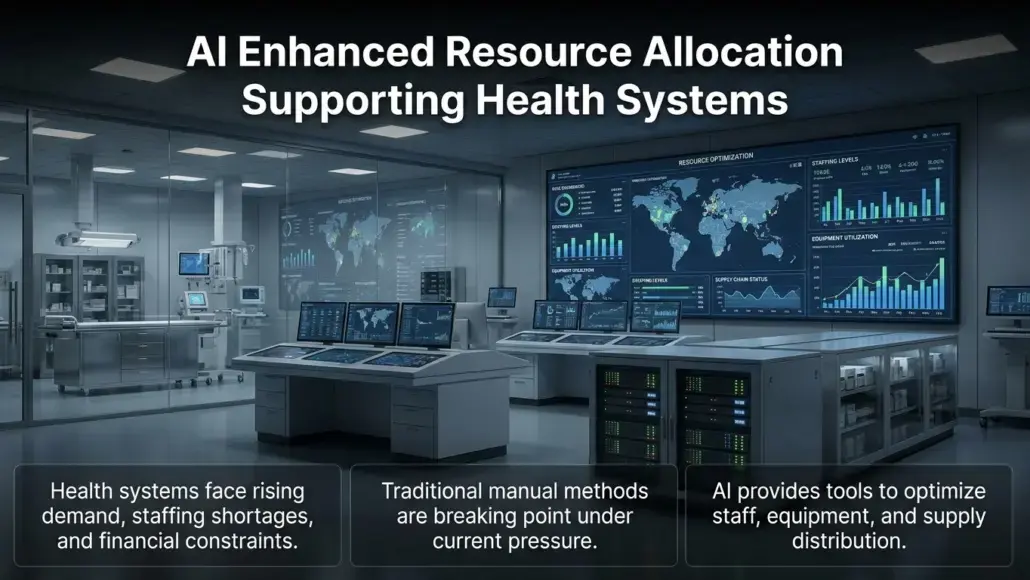
Health systems across the globe are facing an unprecedented combination of rising patient demand, staffing shortages, and financial constraints. In this environment, the traditional methods of managing hospital resources, often reliant on manual processes and historical averages, are reaching their breaking point. AI enhanced resource allocation in health systems is emerging as a critical solution, providing administrators with the tools needed to distribute staff, equipment, and medical supplies with high precision. Pharma Advancement observes that by leveraging predictive analytics, hospitals can anticipate patient surges and adjust their operations in real time, ensuring that care is delivered efficiently and safely.
In 2026, the implementation of AI driven resource management is no longer a luxury but a strategic necessity. Data from recent industry reports indicates that hospitals using these advanced tools have seen a significant improvement in patient throughput and a reduction in operational costs. For instance, predictive models can forecast emergency department arrivals with remarkable accuracy, allowing hospital leaders to proactively adjust staffing levels. This reduces patient wait times and prevents clinician burnout, which has become a major concern for healthcare executives worldwide.
Optimizing Staffing through Predictive Analytics
One of the most pressing challenges in healthcare is the efficient management of a diverse and highly skilled workforce. AI enhanced resource allocation in health systems allows for the creation of dynamic schedules that align staff availability with predicted patient needs. Unlike static scheduling, these systems analyze factors such as seasonal illness patterns, local events, and even socioeconomic data to predict the complexity and volume of patients. This ensures that the right mix of nurses, doctors, and specialists is available for every shift.

The impact on staff morale and retention is significant. By reducing the frequency of understaffed shifts, hospitals can decrease the stress and exhaustion that lead to turnover. Predictive tools also allow for more equitable distribution of workload, ensuring that no single department is consistently overwhelmed. Studies suggest that optimized scheduling can lead to a 15 percent reduction in nurse turnover, saving hospitals millions of dollars in recruitment and training costs. Furthermore, the ability to predict when specialized staff like respiratory therapists or surgical teams will be needed ensures that high acuity patients receive timely care.
From a financial perspective, optimized staffing reduces the reliance on expensive agency labor and overtime. By accurately predicting demand, hospitals can build their core staff to meet baseline needs and use flexible pools to handle surges. This strategic approach to labor management is essential for maintaining the financial health of health systems in an era of tightening margins. As the technology continues to evolve, we can expect to see even more integration between scheduling systems and real time patient monitoring data.
Transforming Pharmacy Supply Chains
Resource allocation is not limited to human capital; it also encompasses the complex supply chains that deliver medications to the bedside. AI enhanced resource allocation in health systems is revolutionizing hospital pharmacy management by optimizing inventory levels and reducing waste. Predictive models analyze drug usage patterns, expiration dates, and clinical trial requirements to ensure that the right medications are always in stock. This is particularly vital for high cost biologics and oncology drugs where inventory carrying costs are substantial.
These systems also play a crucial role in managing drug shortages, a persistent issue for healthcare providers. AI can identify early signals of supply chain disruptions and suggest alternative therapies or alternative sourcing strategies. By providing pharmacists with a proactive view of their inventory, AI reduces the risk of treatments being delayed due to stockouts. Furthermore, automated dispensing systems integrated with AI can track medication usage in real time, identifying potential diversion or administration errors before they reach the patient.
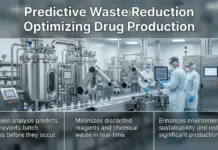
Waste reduction is another significant benefit. In many hospitals, a large volume of medication is discarded because it expires before use or is prepared for a patient who is then discharged. Predictive analytics can help pharmacists prepare only what is needed, minimizing the environmental and financial impact of medical waste. Reports indicate that AI driven inventory management can reduce drug waste by up to 20 percent, contributing both to hospital sustainability goals and fiscal responsibility.
Improving Patient Flow and Bed Management
Effective bed management is the foundation of an efficient hospital. When patient flow is obstructed, it leads to emergency department overcrowding and delayed transfers, compromising patient safety and satisfaction. AI enhanced resource allocation in health systems uses real time data to predict discharge times and identify bottlenecks in the patient journey. By forecasting when a bed will become available, hospitals can coordinate admissions and transfers more effectively, reducing the time patients spend in transition.
These tools also help prioritize patients based on their clinical needs and the availability of specialized resources. For example, an AI system can identify patients in the intensive care unit who are ready to be stepped down to a general ward, freeing up critical care beds for new admissions. This level of active management ensures that the most resource intensive units are used appropriately. Industry data shows that predictive bed management can improve patient throughput by 10 to 15 percent without increasing the number of physical beds.
The business implications of improved patient flow are substantial. Higher throughput allows hospitals to serve more patients, increasing revenue while maintaining a fixed infrastructure. It also improves the patient experience, as individuals spend less time waiting for a room or a procedure. For health systems operating in competitive markets, these improvements in efficiency and patient satisfaction are key drivers of market share and brand reputation.
Data Integration and Interoperability Challenges
The success of AI enhanced resource allocation depends on the quality and accessibility of data. Hospitals generate vast amounts of data every day, but it is often trapped in siloed systems that do not communicate with each other. For AI to be effective, it must have access to a unified view of the organization, including electronic health records, financial systems, and supply chain data. This requires a significant investment in data integration and interoperability.
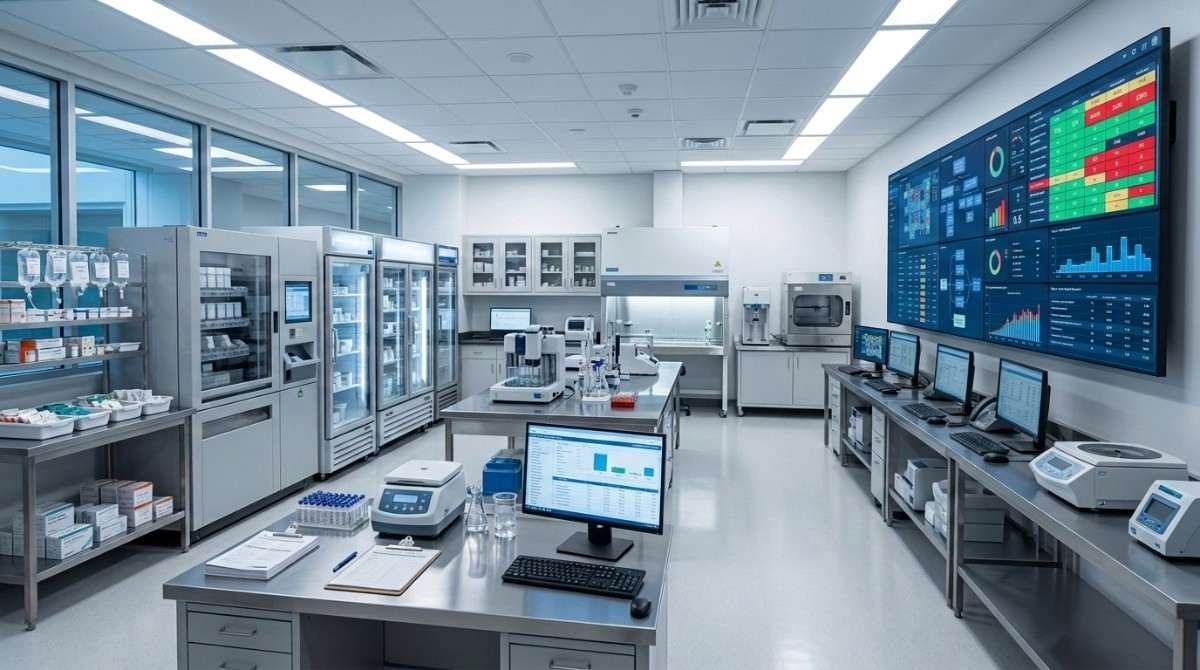
Standardization is a major hurdle. Different departments may use different terminology or formats for their data, making it difficult for machine learning models to identify meaningful patterns. Health systems are increasingly adopting standards like FHIR (Fast Healthcare Interoperability Resources) to facilitate the exchange of information. Executives must prioritize building a robust data governance framework to ensure that the data used by AI systems is accurate, secure, and representative of the patient population.
Privacy and security are also paramount. As hospitals share more data with AI vendors and cloud platforms, the risk of data breaches increases. Any resource allocation project must include rigorous security assessments and comply with regulations like HIPAA. This includes not just protecting the data itself but also ensuring the integrity of the AI models. If an algorithm is biased or manipulated, it could lead to inequitable resource distribution, potentially harming patients and exposing the hospital to legal risk.
Scaling AI-Driven Hospital Operations and Resource Allocation
The shift toward predictive, AI-driven hospital administration is being rapidly accelerated by global health technology leaders deploying targeted resource allocation and capacity management solutions. GE HealthCare recently advanced patient flow management by announcing CareIntellect for Operations, an AI-enabled SaaS application that allows health systems to predict bed and staffing capacity constraints up to 72 hours in advance. Addressing workforce and scheduling bottlenecks, symplr introduced AI-driven predictive scheduling across its operations platform to dynamically reallocate hospital resources and anticipate clinical staffing needs.
Similarly focusing on workforce optimization, Oracle expanded its Oracle Health suite with AI-powered acute nursing summaries to automate administrative documentation and maximize the time nurses spend delivering patient care. On the pharmaceutical supply chain front, BD brought advanced resource allocation to the pharmacy floor by launching a new AI-enabled medication dispensing system designed to optimize inventory control and eliminate medication waste. Finally, Siemens Healthineers is leveraging AI to optimize diagnostic workflows, recently introducing AI-enabled radiology services and digital simulation tools engineered to improve overall hospital operational efficiency.
The Strategy Ahead for Health System Optimization
In the long run, Pharma Advancement believes that the integration of AI enhanced resource allocation in health systems will lead to a more resilient and sustainable healthcare model. The ability to predict and respond to the needs of the community will allow hospitals to provide better care at a lower cost. For patients, this means faster access to treatment and a more personalized healthcare experience. The transition is challenging, but for health systems that embrace the power of predictive analytics, the future is full of opportunity.
References
- McKinsey
- Oracle
-
Siemens Healthineers
-
BD (Becton, Dickinson and Company)
-
GE HealthCare
-
symplr
