




















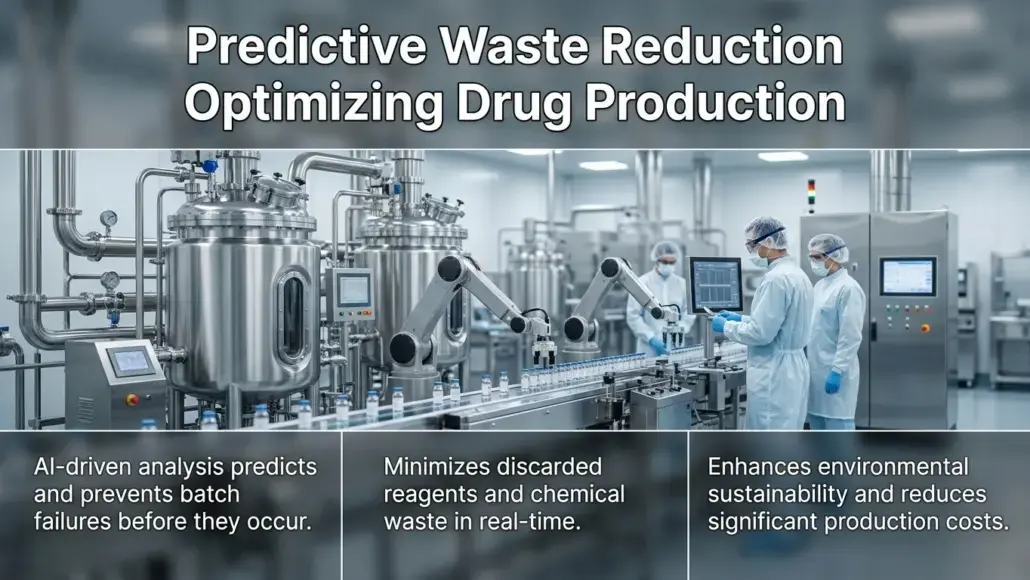
The pharmaceutical industry is under increasing pressure to improve its environmental performance while simultaneously reducing the cost of drug production. Traditional manufacturing processes are often characterized by significant levels of waste, including discarded batches, excess chemical reagents, and expired inventory. This inefficiency is not only an environmental concern but also a major financial burden for manufacturers. Predictive waste reduction in drug production is emerging as a critical strategic priority, leveraging advanced analytics and machine learning to catch deviations before they lead to losses. Pharma Advancement observes that by transforming the manufacturing floor into a data driven environment, companies are seeing a significant improvement in their yield and sustainability metrics.
In 2024, the drive for operational excellence led many global pharmaceutical firms to integrate real time monitoring and predictive modeling into their production lines. These systems allow for a proactive approach to quality control, ensuring that every batch meets the exact specifications required by regulators. Recent industry data suggests that the implementation of predictive analytics can reduce batch failure rates by as much as 40 percent. For B2B stakeholders, this represents a substantial return on investment through preserved materials, reduced labor costs, and a more stable supply chain.
Real Time Monitoring and Batch Failure Prevention
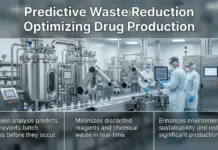
The core of predictive waste reduction in drug production is the use of sensors and machine learning to monitor the manufacturing process in real time. In a pharmaceutical setting, even small deviations in temperature, pH, or pressure can lead to a failed batch. Traditional quality control methods often rely on testing the final product, which means that any issues are only identified after the entire production process is complete. Predictive tools change this by identifying the early warning signs of a potential problem, allowing operators to make adjustments before the batch is ruined.
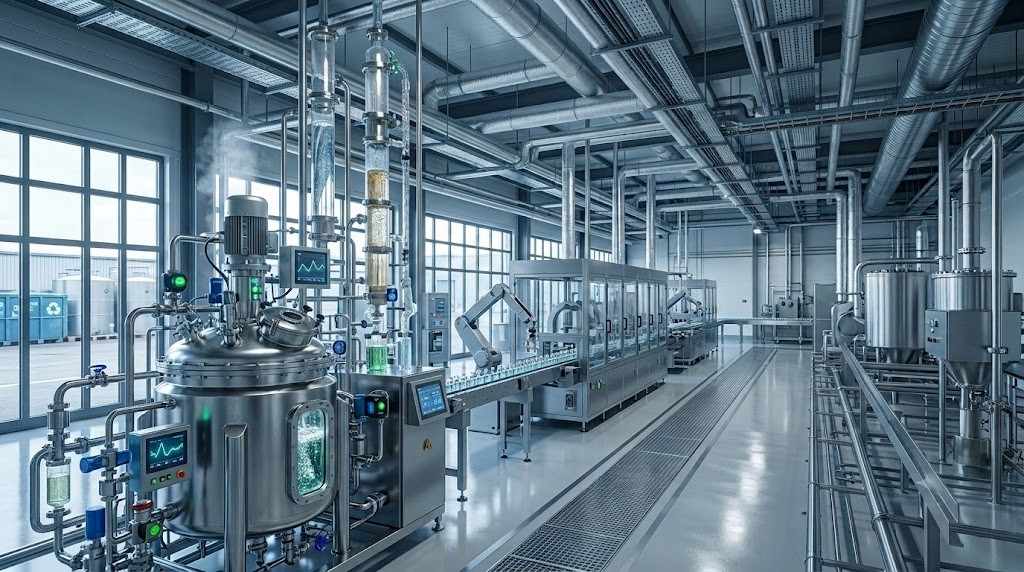
These systems use soft sensors, which are virtual sensors that calculate key process parameters based on other measurable data. By integrating data from multiple sources, machine learning models can provide a holistic view of the batch’s health. For instance, an AI model can detect a subtle change in the agitation rate of a bioreactor that might indicate a developing issue with cell growth. By alerting the care team hours or days before the batch would otherwise fail, predictive tools save millions of dollars in raw materials and energy. Industry reports indicate that first time right manufacturing rates have improved by 15 percent in facilities that have adopted these tools.
Furthermore, the data collected during these processes provides a wealth of information for continuous process improvement. By analyzing the root causes of historical failures, manufacturers can refine their procedures and equipment settings to prevent future issues. This iterative approach to optimization is a key factor in the long term reduction of manufacturing waste. As the technology matures, we are seeing the emergence of self healing production lines where AI systems can automatically adjust process parameters to keep the batch within its optimal range.
Optimizing the Supply Chain to Prevent Expiration
Waste reduction is not limited to the manufacturing floor; it also involves the management of the complex supply chain that delivers drugs to patients. A significant amount of pharmaceutical product is discarded every year because it expires before it can be used. Predictive waste reduction in drug production addresses this by aligning manufacturing schedules with predicted market demand. By using machine learning to forecast demand at a granular level, manufacturers can ensure they are producing the right amount of product at the right time.
These systems analyze a wide range of factors, including seasonal illness patterns, inventory levels at distributors, and historical sales data. By identifying potential surpluses or shortages early, manufacturers can adjust their production plans accordingly. This reduces the risk of overproduction, which leads to expired inventory, and underproduction, which leads to missed revenue and patient access issues. Predictive supply chain management can reduce inventory holding costs by up to 20 percent while simultaneously improving service levels.
The integration of blockchain and IoT technology further enhances this capability by providing real time visibility into the status and location of products throughout the supply chain. This allows manufacturers to identify products that are nearing their expiration date and prioritize their distribution to areas with high demand. As sustainability becomes a core metric for corporate performance, the ability to minimize expired inventory is a key indicator of operational efficiency and social responsibility.
Sustainable Chemical Management and Solvent Recovery
Pharmaceutical manufacturing is chemical intensive, and the disposal of hazardous waste is a significant cost and environmental challenge. Predictive waste reduction in drug production plays a crucial role in optimizing the use of chemical reagents and solvents. By identifying synthesis routes with higher yields and fewer side products, AI helps minimize the amount of material that needs to be discarded. Furthermore, predictive models can optimize the regeneration and recovery of solvents, reducing the need for fresh chemical inputs.
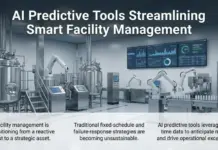
Solvent recovery is a particularly impactful area. In many processes, solvents account for the majority of the mass in a chemical reaction but are not consumed. Traditional recovery methods are often energy intensive and inefficient. Predictive tools can analyze the composition of the waste stream and adjust the parameters of distillation and filtration systems to maximize the recovery of pure solvent. This not only reduces waste disposal costs but also lowers the environmental impact of the manufacturing process. Reports suggest that optimized solvent recovery can reduce the chemical footprint of a facility by up to 30 percent. Maintaining a zero waste production line requires the seamless integration of smart facility management using AI predictive tools to ensure that the manufacturing environment remains stable.
From a regulatory perspective, the ability to demonstrate a clear waste reduction strategy is becoming increasingly important. Environmental agencies around the world are tightening regulations on hazardous waste and carbon emissions. Manufacturers that can prove their processes are lean and sustainable are less likely to face fines or reputational damage. The strategic adoption of predictive tools is therefore an essential component of a company’s long term regulatory compliance and brand value.
Data Challenges and the Need for Interoperability
The success of predictive waste reduction depends on the quality and accessibility of data across the entire organization. In many facilities, data is trapped in siloed systems, with information from the lab, the production floor, and the warehouse not being shared effectively. For predictive models to be accurate, they need access to a unified view of the production process. This requires a significant investment in data integration and the adoption of open standards for industrial automation.
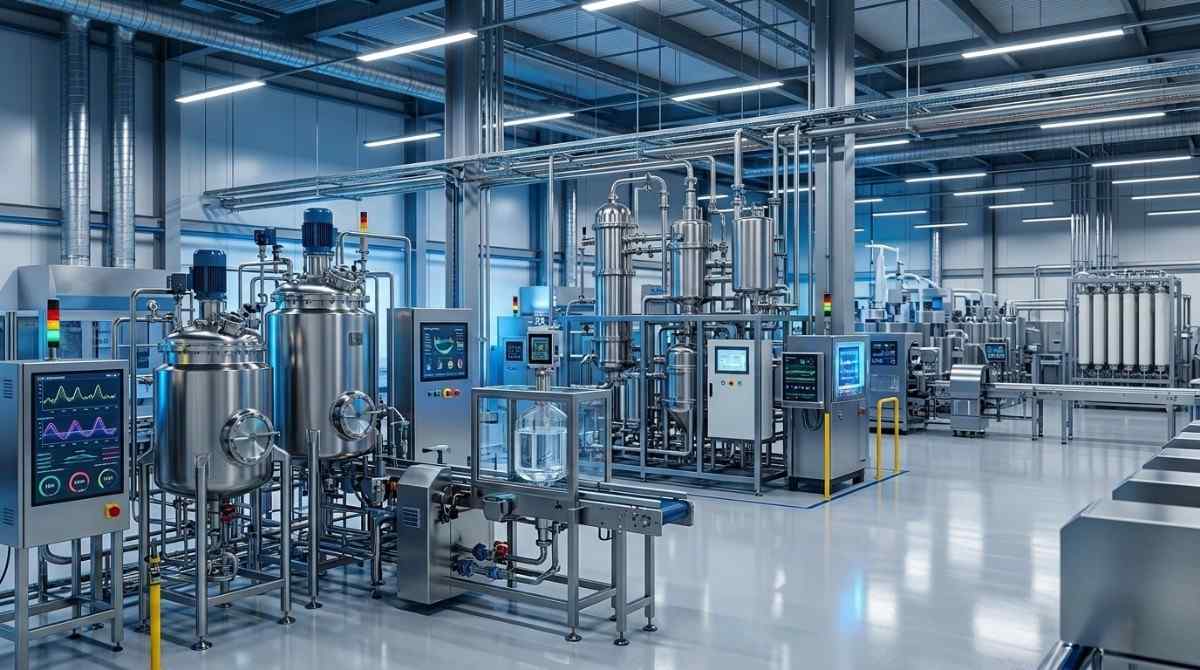
Standardization is a major hurdle. Different equipment manufacturers often use proprietary data formats, making it difficult to integrate data from a diverse production line. The industry is moving toward standards like OPC UA to facilitate the exchange of information between different systems. Executives must prioritize building a robust data governance framework to ensure that the data used by AI systems is accurate, secure, and representative of the actual manufacturing conditions.
Cybersecurity is also a major concern. As manufacturing systems become more connected and data driven, they become more vulnerable to cyberattacks. A breach in a production management system could lead to the manipulation of process parameters, potentially leading to the production of unsafe medications. Any waste reduction project must include rigorous security assessments and the implementation of robust defense in depth strategies. This includes encryption, network segmentation, and regular vulnerability testing.
Optimizing Pharma Yields Through Predictive Manufacturing
The pharmaceutical manufacturing sector is actively deploying advanced automation, digital twins, and continuous processing technologies to predictively reduce batch failures and material waste. Driving this shift is Merck KGaA, which recently debuted a Smartfacturing approach utilizing world-first modular production lines to drastically improve production flexibility and operational efficiency. This initiative was executed in a strategic partnership with Siemens, which supplied its Xcelerator platform to orchestrate the facility’s predictive, data-driven automation.
To address the inherent waste and downtime of traditional scale-up, Hovione is commissioning the world’s first ConsiGma CDC Flex system to enable seamless continuous tableting and batch processing on a single platform. Similarly, Sartorius rolled out extensive process intensification systems to help drug developers transition directly from batch production to leaner continuous manufacturing. At the software level, Yokogawa Electric advanced real-time process monitoring by launching the OmegaLand V4 digital twin platform, providing the dynamic simulation capabilities required to sustain autonomous, error-free plant operations.
Strategic Implementation for Operations Executives
For operations executives, the adoption of predictive waste reduction in drug production is a strategic investment in the future of manufacturing. Success requires a multidisciplinary approach that involves engineers, data scientists, and quality assurance professionals. The goal should be to integrate these tools into the existing production workflow, ensuring that the insights provided are used to drive real time decision making.
Investment in talent is also necessary. Organizations need professionals who understand both the complexities of pharmaceutical manufacturing and the nuances of data analytics. Many companies are investing in training programs to help their existing staff transition to these new ways of working. The focus should be on creating a culture of continuous improvement, where every member of the operations team is empowered by the latest predictive tools.
In the long run, the use of these tools will lead to a more efficient, resilient, and sustainable manufacturing model. Pharma Advancement believes that the ability to predict and prevent waste will improve financial performance, reduce environmental impact, and enhance the reputation of the company. For pharmaceutical manufacturers that successfully navigate this transition, the rewards will be significant, both in terms of operational excellence and competitive advantage. The future of drug production is lean, and the journey is just beginning.
References
- PwC
- Rockwell Automation
- Deloitte
- McKinsey
- IBM
- Merck KGaA
- Siemens
- Hovione
- Sartorius
- Yokogawa Electric
