

















AI Summary
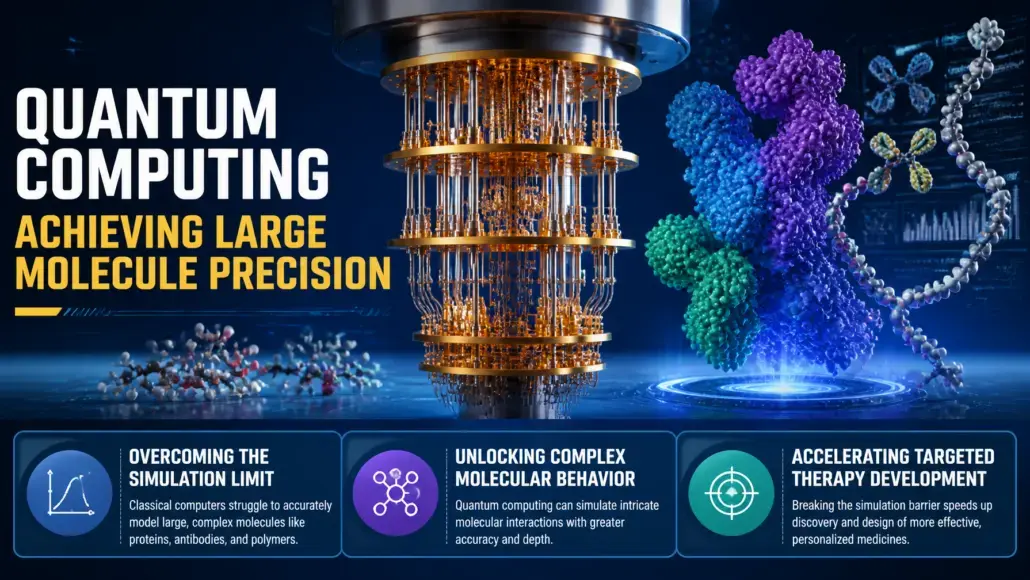
The pharmaceutical industry is reaching the limits of classical computing as it attempts to model the increasingly complex molecular structures that define modern precision medicine. While traditional supercomputers are highly effective at simulating small, simple molecules, they struggle to accurately predict the behavior of large, complex biological entities such as proteins, antibodies, and synthetic polymers. This “simulation barrier” is a major bottleneck in the development of targeted therapies for diseases like cancer and Alzheimer’s, where the success of a drug depends on its precise interaction with a specific biological target. The emergence of Quantum Computing is proving to be the essential breakthrough, providing a fundamentally new way to model the quantum mechanical properties of large molecules with unprecedented accuracy. By leveraging the unique capabilities of quantum bits (qubits), this technology is accelerating the design of the next generation of life-saving therapies, marking a new era in the fusion of physics and biology.
Quantum computing differs from classical computing by utilizing the principles of superposition and entanglement to perform calculations that would take traditional computers millions of years to complete. In the context of drug discovery, this allows for the direct simulation of the electronic structure of molecules, providing a level of detail and precision that is currently unattainable. Pharma Advancement notes that by accurately predicting how a potential drug candidate will bind to its target, and how it will behave in the complex environment of the human body, quantum computing can significantly reduce the time and cost of the discovery process. This is particularly valuable for large molecule precision medicine, where the sheer number of possible conformations and interactions makes classical simulation practically impossible. The ability to model these complex systems in silico is a transformative opportunity for the biopharmaceutical sector, allowing for a more targeted and data-driven approach to therapy design.
Algorithmic Foundations and the Quantum-AI Synergy
The technical core of quantum molecular simulation lies in the ‘Variational Quantum Eigensolver’ (VQE) algorithm. VQE is a hybrid quantum-classical algorithm that is used to find the ground state energy of a molecular Hamiltonian. By iteratively adjusting the parameters of a quantum circuit, the algorithm can find the lowest energy configuration of the molecule’s electrons, which determines its chemical properties. This approach is much more efficient than pure quantum algorithms for the relatively ‘noisy’ quantum computers of today. As quantum hardware improves, more sophisticated algorithms like ‘Quantum Phase Estimation’ (QPE) will be used to provide even higher levels of precision. The expertise gained in developing these algorithms is a key component of the new field of ‘quantum chemistry’.
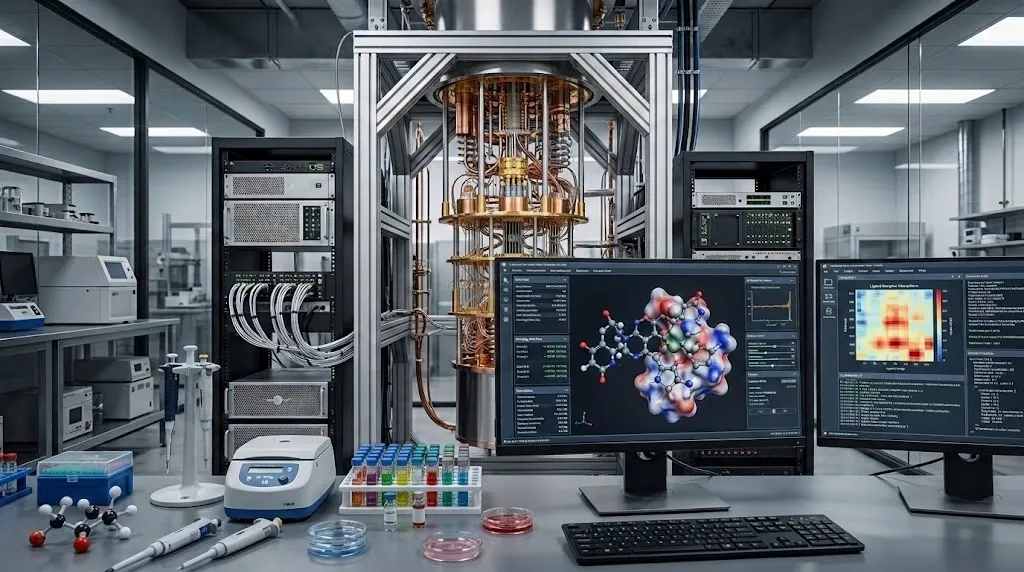
Furthermore, the integration of quantum computing with AI is creating a powerful new toolkit for drug discovery. Quantum computers can be used to generate high-quality data that is then used to train classical AI models, while AI can be used to optimize the design of quantum circuits. This ‘quantum-AI synergy’ allows for the rapid exploration of vast ‘chemical spaces’, identifying promising drug candidates that would be missed by traditional methods. The use of ‘Quantum Generative Adversarial Networks’ (QGANs) to design new molecular structures is another burgeoning area of research. By combining the probabilistic nature of quantum mechanics with the pattern-recognition capabilities of AI, researchers can create molecules with highly specific biological activities. The fusion of these two disruptive technologies is the ultimate expression of the data-driven discovery vision.
Translating Theory to Practice: Milestones and Manufacturing
A landmark development in this sector was solidified in late 2023 and further expanded into 2024, when IBM and the Cleveland Clinic unveiled the first IBM Quantum System One dedicated to healthcare research. Located at the Cleveland Clinic’s main campus, the system is being used to explore the potential of Quantum Computing in a variety of medical applications, including the discovery of new drug targets and the simulation of complex biological pathways. The partnership aims to build a new foundation for the future of medicine, leveraging the power of quantum mechanics to solve some of the most challenging problems in human health. This strategic move by IBM and the Cleveland Clinic underscores the critical role that advanced computing plays in the future of precision medicine and serves as a powerful indicator of the industry’s commitment to building a more resilient and innovative research base.
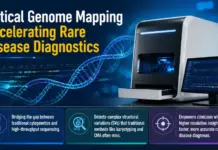
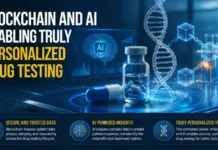
The shift toward automated verification is intrinsically linked to the broader goals of precision medicine. As the industry scales, the ways in which blockchain and AI enabling truly personalized drug testing ensure data integrity become the perfect companion for the physical verification of drug batches. This synergy begins at the genomic level, where innovations like optimal genome mapping provide the definitive biological blueprints required to design and physically verify patient-specific therapies on the production line. By providing a more reliable and efficient manufacturing process, computer vision allows for the development of highly targeted therapies that can be delivered to patients more quickly and safely. For instance, the transition toward multi-omics data integration is bolstered by the high-quality, verified data provided by computer vision, creating a more holistic understanding of the patient’s treatment journey. This systemic approach ensures that the manufacturing of new therapies is not just a process of physical assembly, but a data-driven journey that optimizes the chances of success for every individual patient. The synergy between high-precision manufacturing and advanced analytics is the engine that will power the next generation of medical breakthroughs.
Expanding Frontiers: Protein Folding, Analytics, and Data Security
Furthermore, the integration of quantum computing is driving a revolution in the way pharmaceutical companies approach the problem of protein folding. Predicting the three-dimensional structure of a protein from its amino acid sequence is one of the most significant challenges in biology, and it is a key prerequisite for understanding the function of the protein and its role in disease. While AI-based tools like AlphaFold have made significant progress in this area, they still rely on statistical patterns from known structures. Quantum computing, by contrast, can simulate the underlying physics of the folding process, providing a more fundamental and potentially more accurate prediction. This is especially important for ‘intrinsically disordered proteins’ (IDPs), which do not have a single, stable structure and are involved in many chronic diseases. The influence of quantum simulation is transforming our understanding of the most complex biological systems.
The role of Quantum Machine Learning (QML) in clinical data analysis is also a critical trend. QML algorithms can identify subtle correlations in genomic and clinical datasets that are invisible to classical machine learning, leading to better patient stratification and more accurate predictions of drug response. By analyzing the complex, non-linear relationships between molecular markers and clinical outcomes, QML can help to guide the development of truly personalized therapies. The technical challenge of scaling these algorithms to handle massive real-world datasets is significant, but the potential rewards for precision medicine are immense. The synergy between quantum-enhanced analytics and large-scale data integration is a major driver of the digital transformation in healthcare.
Moreover, the development of ‘Quantum-Safe Cryptography’ is essential for protecting the sensitive patient data that powers precision medicine. As quantum computers become more powerful, they will eventually be able to break the encryption methods that currently protect our digital lives. To address this risk, researchers are developing new cryptographic systems that are resistant to quantum attacks. The integration of these quantum-safe methods into healthcare data networks is a key priority for the industry, ensuring that patient privacy is maintained in the quantum era. The intersection of quantum computing, data security, and precision medicine is a defining challenge of the modern era. The ability to conduct secure, large-scale medical research is the ultimate guarantee of the industry’s long-term sustainability.
Cross-Disciplinary Integration, Economics and Governance
The technical implementation of these systems also requires a high degree of coordination between quantum physicists, computer scientists, and biological researchers. Building a quantum computer that is large enough and stable enough to perform meaningful biological simulations is a significant engineering feat. Similarly, developing new algorithms that can translate complex biological problems into a format that a quantum computer can understand is a key priority for the industry. The collaboration between these different sectors is essential for overcoming the technical hurdles and ensuring that the benefits of quantum computing reach the laboratory bench as quickly and safely as possible.

The economic case for the integration of these technologies is also becoming increasingly compelling. While the initial investment in quantum systems and the development of quantum algorithms can be substantial, the long-term savings associated with more efficient drug discovery and better patient outcomes are significant. Reducing the time and cost of bringing a new drug to market can significantly lower the overall price of medications, making them more accessible to patients around the world. Moreover, the improved efficacy and safety of targeted treatments can lead to lower healthcare costs by reducing the number of ineffective treatments and hospitalizations. The financial benefits of quantum-enabled discovery are thus a major driver of their adoption across the pharmaceutical landscape.
Moreover, the role of international standards in the growth of the quantum market in healthcare is critical. As these technologies become more widespread, there is a need for clear guidelines on data security, algorithmic transparency, and hardware interoperability. Global organizations like the Quantum Industry Canada (QIC) and similar groups in the US and Europe are already working with industry partners to develop these standards, providing the regulatory certainty needed for large-scale investment. The transparency and accountability provided by these systems will be key to maintaining public trust in the pharmaceutical industry’s efforts to develop new and innovative treatments.
The Future Outlook and Collaborative Infrastructure
Looking ahead, the commitment to Quantum Computing will be a defining characteristic of the precision medicine landscape in the coming decades. The ongoing development of even more stable and scalable quantum hardware, including the use of topological qubits and error-correction techniques, will further improve the performance and reduce the cost of molecular simulation. The integration of quantum-classical hybrid systems, where quantum processors are used as specialized ‘accelerators’ for specific tasks, will become the standard architecture for high-performance computing in the life sciences.
The expansion of global quantum research networks, supported by government funding and international partnerships, will enable the rapid sharing of algorithms and datasets, accelerating the pace of discovery for the entire industry. By embracing these innovations, the pharmaceutical community is not only breaking the simulation barrier but also building a more resilient and effective foundation for the future of medicine. The fusion of quantum physics and molecular biology, embodied in the rise of quantum computing, is the defining vision for the medicine of the 21st century. The journey from a quantum state to a clinical cure is a collective effort that will require the participation of stakeholders across the entire physics and medical sectors.
Finally, the importance of public-private partnerships in building the necessary ‘quantum infrastructure’ cannot be overstressed. The scale of the challenge, from developing the hardware to training the workforce, requires a level of investment and coordination that no single entity can achieve alone. Pharma Advancement believes that by sharing the risks and rewards of these pioneering projects, the global community can ensure that quantum computing becomes a standard part of the medical landscape, protecting patient health while providing the energy needed for a thriving global economy. The successful deployment of quantum systems in healthcare will be a major milestone on the road to a sustainable future, proving that even the most complex biological problems can be solved through the power of physics.
References
-
IBM and Cleveland Clinic Unveil First Quantum Computer Dedicated to Healthcare
-
Quantum Computing in Drug Discovery: Modeling the Future of Medicine
-
The Simulation Barrier: Why Classical Computers Struggle with Large Molecules
-
Quantum Chemistry and the Next Era of Targeted Therapies
-
IBM Quantum System One at the Cleveland Clinic: A Milestone for Healthcare Research
