








The global pharmaceutical industry is facing unprecedented pressure to align its operations with environmental, social, and governance (ESG) goals, and in 2026, the adoption of sustainable pharma manufacturing has become a strategic priority. Conventional drug production is often characterized by high energy consumption, significant chemical waste, and complex, carbon-intensive supply chains. However, the integration of additive manufacturing—more commonly known as 3D printing—is offering a transformative solution to these environmental challenges. Pharma Advancement notices that by shifting toward a more resource-efficient and decentralized production model, the industry is not only reducing its ecological footprint but also enhancing the overall efficiency and resilience of the pharmaceutical supply chain. The transition is driven by a commitment to a healthier future for both the patient and the planet.
Reducing Material Waste Through Additive Manufacturing
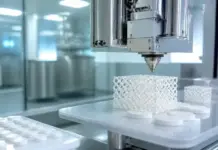
The primary environmental benefit of sustainable pharma manufacturing through additive manufacturing lies in its additive nature. Traditional manufacturing often involves subtractive processes or large-scale batch synthesis that results in substantial material waste, including excess chemicals and unused drug products. In contrast, 3D printing builds dosage forms layer by layer, using only the exact amount of material required for each unit. This precision drastically reduces the volume of active pharmaceutical ingredients and excipients that are wasted during production. Furthermore, the ability to produce medications on-demand eliminates the need for large-scale inventory, reducing the amount of expired medication that must be safely disposed of each year. This move toward a zero-waste production model is a key driver of pharmaceutical sustainability in 2026, ensuring that the industry can meet clinical needs without compromising environmental integrity.
Improving Energy Efficiency and Reducing Supply Chain Emissions
Energy efficiency is another cornerstone of sustainable pharma manufacturing. While traditional pharmaceutical production facilities require massive amounts of energy to maintain large-scale reactors, drying equipment, and HVAC systems, 3D printing hardware is significantly more compact and energy-efficient. Modern pharmaceutical 3D printers are designed to operate with minimal power consumption, and many are now integrated with renewable energy sources. Additionally, the move toward decentralized manufacturing—producing drugs at the point of care—significantly reduces the carbon footprint associated with transport and logistics. By eliminating the need to ship large volumes of medications across the globe in refrigerated containers, the industry is cutting its greenhouse gas emissions and supporting more localized, sustainable healthcare ecosystems. This localization is a powerful step toward a more resilient and green pharmaceutical industry.
Advancing Green Pharma Materials and Green Chemistry
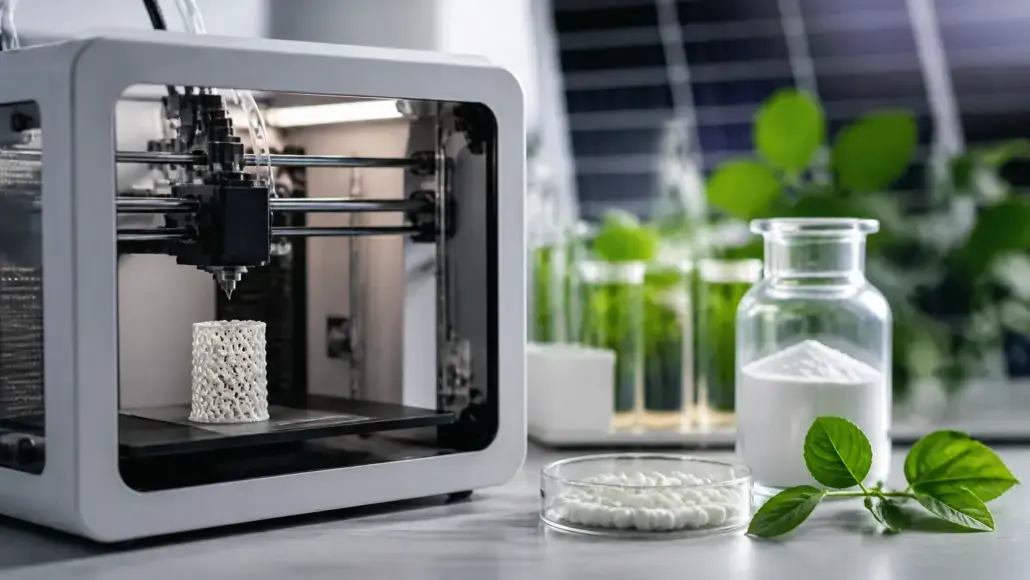
In 2026, the development of green pharma materials is further enhancing the sustainability of additive manufacturing. Researchers are increasingly utilizing bio-based and biodegradable polymers as carriers for drug delivery, reducing the industry’s reliance on petroleum-derived plastics. These sustainable materials are not only better for the environment but are also often more biocompatible, leading to safer and more effective customized drugs for patients. Furthermore, the use of green chemistry principles in the formulation of 3D-printing inks is minimizing the use of toxic solvents and hazardous chemicals. This holistic approach to sustainable pharma manufacturing ensures that the entire lifecycle of the drug—from material sourcing to disposal—is as environmentally friendly as possible. This commitment to material innovation is essential for the long-term viability of the sector in a world that increasingly values ecological responsibility.
Addressing Social Equity Through Sustainable Manufacturing
The social dimension of ESG is also being addressed through sustainable pharma manufacturing. By democratizing access to high-quality, personalized medicine, 3D printing is helping to reduce healthcare disparities in underserved and remote regions. Localized production ensures that life-saving medications are available even in areas with fragile supply chains, improving health outcomes for vulnerable populations. Moreover, the shift toward more efficient manufacturing processes is helping to lower the overall cost of drug production, potentially making advanced therapies more affordable for patients worldwide. This commitment to social responsibility, combined with environmental stewardship, is what defines the modern pharmaceutical industry’s approach to sustainability in 2026. The ability to provide orphan drugs for rare diseases in a cost-effective and sustainable way is a significant social benefit of these technologies.
Digital Technology and the Future of Sustainable Pharmaceutical Manufacturing
As we look toward the future, the integration of digital technology and sustainable pharma manufacturing will continue to evolve. The use of AI and blockchain to monitor the environmental impact of the pharmaceutical supply chain in real-time is providing manufacturers with the data they need to continuously improve their operations. Companies are now able to report their sustainability metrics with a high degree of transparency, satisfying the demands of investors and consumers alike. Additive manufacturing is not just a technological innovation; it is a catalyst for a more sustainable, equitable, and efficient pharmaceutical industry. By embracing these advancements, the sector is ensuring its long-term viability while protecting the health of both patients and the planet. The digital transformation of the industry is thus a central part of its sustainability journey, providing the tools needed for a greener future.
Solvent-Free Printing Reducing Chemical and Energy Use
One of the key innovations in 2026 is the adoption of solvent-free Printing techniques within sustainable pharma manufacturing. Technologies such as Fused Deposition Modeling (FDM) and Direct Powder Extrusion allow for the production of tablets without the need for the large quantities of organic solvents that are common in traditional granulation and coating processes. This not only reduces the risk of hazardous chemical exposure to workers but also eliminates the energy-intensive solvent recovery steps. The shift toward solvent-free methods is a major win for green pharma, proving that high-quality medications can be produced in a way that is both safer and more sustainable. These technical improvements are a testament to the industry’s ability to innovate for the common good.
Digital Inventory Transforming Pharmaceutical Supply Chains
Furthermore, the concept of digital inventory is revolutionizing sustainable pharma manufacturing. Instead of maintaining physical warehouses full of pre-produced drugs, companies now store their formulations as secure digital files. When a medication is needed, it is printed locally at a hospital or pharmacy. This eliminates the massive energy costs associated with climate-controlled storage and drastically reduces the environmental impact of the traditional supply chain. In 2026, a significant portion of the pharmaceutical industry’s inventory is virtual, reflecting a more agile and sustainable approach to resource management. This transition to a digital-first model is a fundamental part of the industry’s response to the climate crisis.
Renewable Bio-Excipients Supporting Sustainable Drug Production
The use of bio-excipients derived from renewable resources is also a major trend in sustainable pharma manufacturing. Polymers such as starch, cellulose, and lignin are being optimized for 3D printing, providing a sustainable alternative to synthetic carriers. These natural materials are often more easily absorbed and metabolized by the body, enhancing the therapeutic profile of customized drugs. The commitment to using renewable resources is a powerful example of how Sustainable Pharmaceutical Manufacturing is bridging the gap between high-tech innovation and traditional ecological wisdom. By looking to nature for solutions, the pharmaceutical industry is creating a more harmonious and effective healthcare system for all.
Integrating Pharmaceutical Manufacturing Into the Circular Economy
Moreover, the integration of sustainable pharma manufacturing into the circular economy is a growing priority for the sector. Manufacturers are developing ways to repurpose unused printing materials and to design dosage forms that can be safely composted or recycled. This focus on life-cycle assessment ensures that the environmental impact of every 3D-printed pill is understood and minimized from start to finish. In 2026, a product’s sustainability rating is as important as its clinical efficacy, reflecting a fundamental change in the values of the pharmaceutical industry. The drive toward a circular model is not only good for the environment but also improves the long-term efficiency and resilience of the entire manufacturing ecosystem.
Decentralization and the Carbon Footprint of Pharma
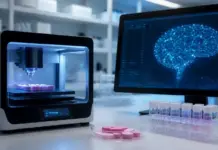
The impact of sustainable pharma manufacturing on the industry’s carbon footprint is most evident in the shift toward decentralized production. In 2026, many hospitals and specialty pharmacies are equipped with 3D printing hubs that allow them to fabricate patient-specific medications on-site. This eliminates the need for refrigerated transport and extensive packaging, which are major contributors to the industry’s environmental impact. By reducing the physical distance between the point of manufacture and the point of care, the industry is creating a more resilient supply chain that is less susceptible to global disruptions. This localization of pharmaceutical production is a fundamental shift that supports both environmental goals and patient safety in an increasingly unstable global environment.
Building a Culture of Resource Efficiency
Furthermore, the adoption of sustainable pharma manufacturing is fostering a new culture of resource efficiency within the industry. Manufacturers are increasingly looking at ways to recycle materials used in the 3D-printing process, such as unused filament or support structures. This circular economy approach ensures that every resource is used to its full potential, further reducing the environmental burden of drug production. Pharma Advancement notes that the combination of material innovation, energy efficiency, and decentralized manufacturing is creating a powerful synergy that is driving the pharmaceutical industry toward a greener and more sustainable future. These efforts are not only good for the planet but also enhance the industry’s reputation as a responsible and forward-thinking sector that is truly dedicated to the well-being of future generations.
