










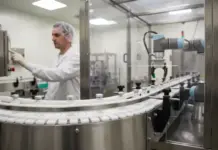









Türkiye’s pharmaceutical sector has recorded significant growth in research activities, with overall R&D spending increasing 8.3 times between 2020 and 2024. According to a recent review report, research expenditures rose from TL 676.2 million (approximately $14.2 million in current prices) in 2020 to TL 5.6 billion in 2024. This notable 8-fold surge underscores the expanding footprint of Turkish pharma R&D within the regional healthcare landscape.
Market Expansion and Technology Investments
The pharmaceutical sector is defined as a high-technology industry requiring substantial capital investment and intensive research initiatives. Beyond creating treatments for medical conditions, companies operating in this space continuously develop products to improve overall quality of life. Within this framework, an originator pharmaceutical firm focuses heavily on research efforts to introduce patent-protected reference drugs. These capital allocations foster immediate product diversity and facilitate long-term competitive balance between originator and generic drugs.
During this same period of the 8-fold surge in R&D spending, the total pharmaceutical market size in Türkiye expanded from TL 56 billion in 2020 to TL 479 billion last year. The 8-fold growth in R&D spending, reflecting a 723% increase over five years, aligns with rising commercial activity across the country.
Global Context and Domestic Share
On a global scale, R&D spending on drug development grew by 3% in 2025 to reach $201.3 billion. The United States led international research expenditure at $130.1 billion. In terms of commercial reach, the world’s top 50 pharmaceutical companies by sales accounted for 88% of the U.S. market and 49% of the Turkish pharmaceutical market last year. This demonstrates that while global enterprise maintains a substantial presence in Türkiye, domestic and other international entities retain strong positions.
Strategic Focus under the Development Plan
Türkiye’s healthcare manufacturing structure is characterized by high value-added production and a skilled workforce. Under the framework of the 12th Development Plan, official policy aims to boost domestic production capacity, decrease reliance on foreign suppliers, and enhance national capabilities to manufacture innovative medicines.
Operational data from the 2020–2025 period indicates that products manufactured through local domestic production captured a larger share of the overall market than imported pharmaceutical products, measured both by total sales value and package volume.
