













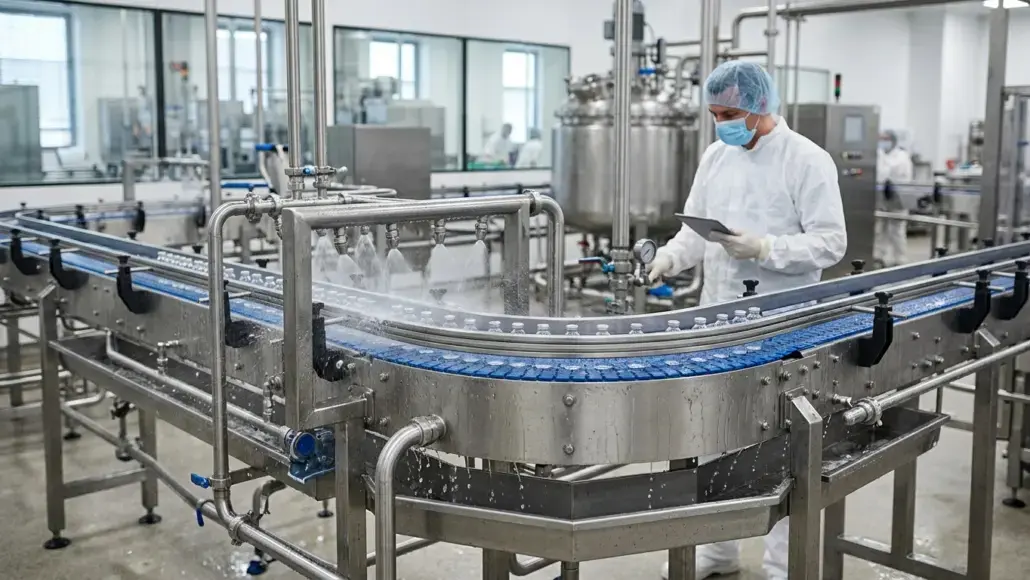
The evolution of hygienic design in the pharmaceutical industry has reached a pivotal moment with the widespread adoption of Wash-in-Place (WIP) systems for conveyor infrastructure. For decades, the cleaning of material handling systems was a manual, labor-intensive process that often required the total disassembly of the conveyor line. This not only resulted in significant production downtime but also introduced the risk of re-contamination during the reassembly phase. Wash-in-Place systems address these challenges by integrating specialized cleaning nozzles, manifolds, and drainage systems directly into the conveyor frame. This allows for a thorough and repeatable cleaning process that can be performed without removing a single part, ensuring that the highest standards of pharmaceutical sanitation are met with maximum efficiency and minimum risk.
Pharma Advancement notes that the drive toward WIP systems is fueled by the increasingly strict Good Manufacturing Practice (GMP) requirements for cross-contamination control. In modern facilities that produce a variety of different pharmaceutical products on the same line, the cleanliness of the conveyor is a critical factor in maintaining product safety and regulatory compliance. Any residue from a previous batch—whether it is an active ingredient, an excipient, or a cleaning agent—can lead to a catastrophic quality failure. Wash-in-Place systems provide a validated cleaning method that ensures every square inch of the conveyor surface is contacted by the cleaning solution, providing a level of assurance that manual cleaning simply cannot match. This technology is not just a convenience; it is a fundamental requirement for the safe and efficient operation of a multi-product pharmaceutical plant.
The Technical Engineering of WIP Conveyors and Hygienic Design
The successful implementation of Wash-in-Place systems requires a radical rethinking of conveyor engineering. Traditional conveyor designs, with their numerous crevices, exposed fasteners, and dead spots, are notoriously difficult to clean. WIP conveyors, by contrast, are designed from the ground up to be hygienic by design. This involves the use of smooth, continuous surfaces made from high-grade stainless steel (typically 316L) with large-radius corners that prevent material buildup. Welds are ground smooth and polished to a specific roughness (Ra value) to eliminate the microscopic pits where bacteria can hide. This cleanable geometry is the essential foundation upon which the WIP system operates.
The WIP system itself consists of a series of strategically placed spray nozzles and manifolds that are connected to a central cleaning station. When the cleaning cycle is activated, the system delivers a sequence of pre-wash, detergent wash, and final rinse solutions at high pressure. The conveyor belt or rollers are kept in motion during the cycle to ensure that all surfaces—including the underside of the belt and the interior of the rollers—are thoroughly cleaned. Specialized air knives or drying nozzles are then used to remove excess moisture and prevent the growth of microbial life. This automated sequence is controlled by a programmable logic controller (PLC), which ensures that every cycle is performed exactly the same way, providing the repeatability required for GMP validation.
Enhancing Pharmaceutical Sanitation and GMP Compliance
In the pharmaceutical world, if it wasn’t documented, it didn’t happen. One of the major advantages of Wash-in-Place systems is their ability to provide a complete cleaning audit trail. The PLC that controls the WIP cycle can record the temperature, pressure, and concentration of the cleaning solutions used, as well as the total duration of each phase. This data provides the objective evidence needed for regulatory inspections and quality audits. Compared to manual cleaning, where the quality of the job can vary from person to person, a WIP system provides a consistent and verifiable level of sanitation that is easy to validate and maintain over the long term.
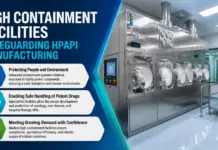
Moreover, WIP systems significantly reduce the risk of operator exposure to potent or hazardous pharmaceutical ingredients. In a manual cleaning scenario, workers often have to come into direct contact with contaminated surfaces and cleaning chemicals. An automated WIP system allows the cleaning to take place inside a closed or guarded environment, protecting the health and safety of the workforce. This is particularly important for facilities handling high-potency active pharmaceutical ingredients (HPAPIs) or cytotoxic materials. The integration of high-containment enclosures with WIP conveyors creates a safety-first manufacturing environment that aligns with the highest international occupational health standards.
Operational Efficiency and the Reduction of Downtime
The impact of Wash-in-Place systems on operational efficiency is profound. In a traditional pharmaceutical plant, the changeover between products can take anywhere from eight to twenty-four hours, with a significant portion of that time dedicated to cleaning and drying the conveyor system. A WIP system can reduce this time to just an hour or two. This dramatic reduction in downtime allows for higher equipment utilization and more frequent product changeovers, supporting the trend toward smaller batch sizes and more agile production planning. The time-savings alone often provide a compelling return on investment for WIP technology within the first year of operation.
Furthermore, the cost of cleaning is also reduced. While the initial investment in a WIP system is higher than that of a standard conveyor, the long-term savings in labor, water, and cleaning chemicals are significant. Automated systems are more efficient in their use of resources, delivering the exact amount of cleaning solution needed to achieve the required level of sanitation. The reduction in manual handling also extends the life of the conveyor components, as parts are not subject to the wear and tear of constant disassembly and reassembly. This total cost of ownership perspective is increasingly being used by pharmaceutical manufacturers to justify the adoption of advanced hygienic technologies like WIP.
The Evolution of Clean Manufacturing and Sustainable Practices
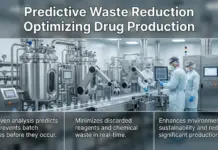
The adoption of Wash-in-Place systems is also a key component of the move toward more sustainable and environmentally friendly manufacturing practices. Modern WIP systems are designed to minimize water and chemical consumption through the use of recovery and recirculation loops. After the initial wash phase, the cleaning solution can be filtered and re-used for the pre-wash phase of the next cycle, significantly reducing the volume of wastewater generated by the facility. This closed-loop approach to cleaning is an essential part of the Green Pharma initiative, helping manufacturers to meet their environmental targets while maintaining the highest quality standards.
Moreover, the energy-efficiency of the drying phase has also improved. Traditional heat-based drying can be very energy-intensive and may not be suitable for heat-sensitive environments. Next-generation WIP systems utilize high-efficiency air knives and low-temperature vacuum drying to achieve a perfectly dry conveyor in a fraction of the time and with much less energy. This integration of hygiene and sustainability is a hallmark of the clean manufacturing movement, proving that high-quality pharmaceutical production does not have to come at the expense of the environment. The smart nature of modern WIP systems allows for continuous optimization of the cleaning process to ensure that maximum hygiene is achieved with minimal environmental impact.
Future Trends: AI and Self-Validating Cleaning Systems
Looking ahead, the next step in the evolution of Wash-in-Place systems is the integration of artificial intelligence and real-time monitoring sensors. We are seeing the development of self-validating cleaning systems that use optical sensors and mass spectrometry to detect the presence of residue in real-time. If the sensors detect any remaining contaminants after a cleaning cycle, the AI system can automatically adjust the parameters and trigger a targeted spot-wash until the surface is perfectly clean. This would move the industry away from time-based cleaning toward result-based cleaning, providing an even higher level of assurance and efficiency.
We may also see the integration of self-cleaning surfaces that utilize nanotechnology to prevent the adhesion of pharmaceutical powders and bacteria. These surfaces would work in conjunction with the WIP system, making the cleaning process even faster and more effective. The synergy between advanced materials, AI-driven control, and automated WIP hardware will result in a generation of conveyor systems that are inherently clean. As the pharmaceutical industry continues to evolve toward ‘continuous manufacturing’, where the line may run for weeks at a time, the reliability and intelligence of the WIP system will be the key to maintaining a constant state of control and quality.
Conclusion: A Pillar of Modern Pharmaceutical Quality
In conclusion, Wash-in-Place (WIP) systems have become a vital pillar of quality and efficiency in the modern pharmaceutical manufacturing facility. By providing an automated, repeatable, and verifiable cleaning process, they ensure the highest levels of hygiene and GMP compliance while significantly reducing downtime and operational costs. Their ability to protect both the product and the operator from contamination and exposure makes them an essential tool for the safe production of the world’s most sensitive medications.
As the industry continues to move toward more complex multi-product environments and sustainable manufacturing models, the adoption of advanced WIP technology will only accelerate. It is an investment that pays dividends in terms of quality assurance, regulatory confidence, and operational agility. Pharma Advancement believes that by evolving their hygienic design to include integrated Wash-in-Place capabilities, pharmaceutical manufacturers are not just cleaning their conveyors; they are building a more resilient, efficient, and patient-centered production ecosystem. Wash-in-Place systems are the clear future of pharmaceutical sanitation, ensuring that every tablet and vial is produced in an environment of unfailing purity.
