









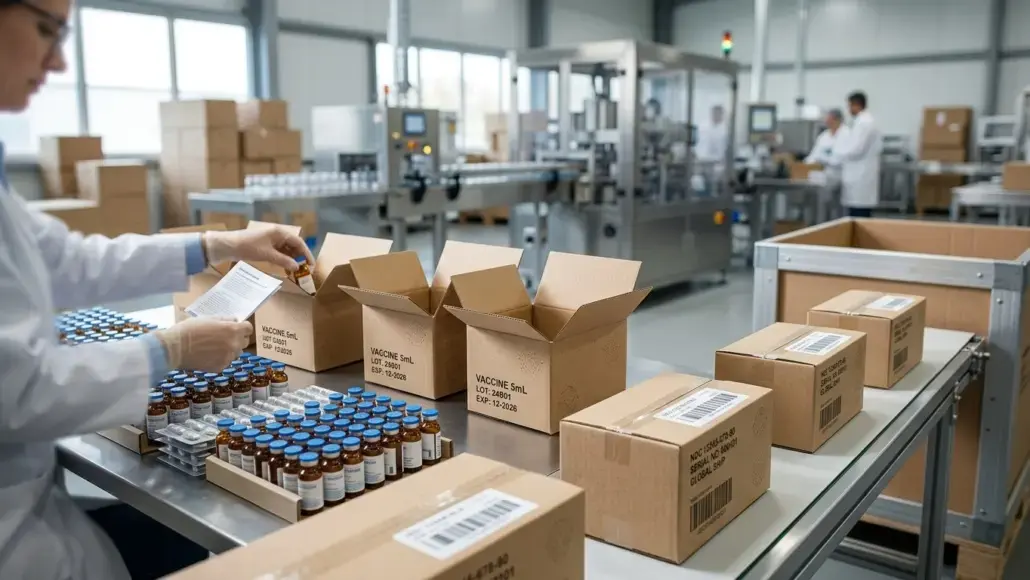
In the pharmaceutical supply chain, secondary packaging is often overshadowed by the primary container that holds the medicine. However, the boxes, cartons, and shipping containers that make up the secondary layer are critical to the safety, efficiency, and compliance of the entire distribution network. Pharma Advancement notes that the industry is witnessing a significant evolution in this space as manufacturers respond to the pressures of global logistics, sustainability mandates, and the need for enhanced patient information. By analyzing secondary packaging trends for pharma firms, we can see a shift from simple cardboard drug boxes to sophisticated, data-driven systems that protect the product while optimizing the bottom line and the environmental footprint of the company.
Right-Sized Packaging for Greater Logistics Efficiency
One of the most prominent shifts in the industry is the move toward right-sized and lightweight shipping packs for medicine. Historically, many pharmaceutical shipments involved a significant amount of dead air space, as standardized boxes were used for a variety of different product sizes. This inefficiency led to higher shipping costs and an increased environmental impact. Modern trends are pushing for custom-tailored outer drug packaging that is precisely matched to the volume of the internal product. This optimization not only reduces the amount of cardboard and plastic used but also allows for more products to be fitted onto a single pallet, significantly improving the density and efficiency of global pharma carton logistics.
Sustainability Driving the Next Generation of Secondary Packaging
Sustainability is perhaps the most powerful driver of innovation in secondary packaging today. As pharmaceutical companies commit to carbon-neutral goals, the traditional materials used for cartons are being re-evaluated. We are seeing a massive surge in the use of green cartons made from high-recycled-content board or alternative fibers like bamboo and agricultural waste. These materials must still meet the rigorous standards of the industry, including being able to withstand the moisture of cold-chain environments and the physical stresses of international transit. Furthermore, the move toward plastic-free secondary packaging is leading to the elimination of plastic overwraps and tapes, replaced by clever interlocking designs and bio-based adhesives that make the entire pack easily recyclable.
Smart Packaging Technologies Enhancing Supply Chain Visibility
The integration of smart technology into the secondary layer is another trend that is transforming logistics. Modern cardboard drug boxes are no longer just passive containers. They are becoming active data points in the supply chain. The use of RFID tags and NFC sensors embedded in the carton walls allows for real-time tracking of individual cases. This is particularly vital for high-value medications and those that require strict temperature control. If a box is exposed to excessive heat or is handled roughly during transit, the sensors can alert the logistics provider immediately. This level of transparency in pharma carton logistics ensures that only products that have maintained their integrity reach the pharmacy shelf, reducing the risk of costly waste and ensuring patient safety.
Improving Patient Communication Through Secondary Packaging
Branding and patient communication are also being reimagined through secondary packaging. The outer box is the first thing a patient or healthcare provider sees, and it serves as a critical interface for information. There is a clear trend toward more intuitive and accessible designs that include larger typography, color-coded sections for different dosages, and scannable codes for digital health resources. By making shipping packs for medicine more informative, manufacturers are helping to reduce the risk of dispensing errors and providing patients with the support they need to use their medication correctly. The use of anti-counterfeit features, such as tamper-evident seals and holographic elements on the outer drug packaging, further reinforces the trust between the brand and the consumer.
How E-Commerce Is Reshaping Pharmaceutical Secondary Packaging
The rise of e-commerce and direct-to-patient delivery models is also shaping secondary packaging trends. As more medications are delivered directly to homes, the packaging must be designed to withstand the last mile of delivery, which is often much more unpredictable than traditional wholesale distribution. This has led to the development of robust, discreet, and easy-to-open boxes that protect the patient’s privacy while ensuring the medication arrives in perfect condition. Some companies are even trialing reusable secondary packaging systems for chronic care medications, where the empty box is collected and sterilized for its next use, further advancing the principles of the circular economy in healthcare.
Automation and On-Demand Packaging in Modern Manufacturing
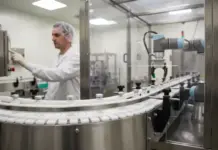
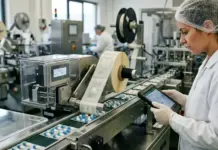
Automation in the packaging hall is another key factor influencing design. As manufacturers move toward higher-speed production and smaller batch sizes, secondary packaging must be designed for rapid changeovers and compatibility with robotic handling systems. This means using standardized footprints and materials that can be easily picked and placed by automated arms. The move toward ready-to-ship packaging, where the outer drug packaging is printed and labeled on-demand to match the specific destination, is significantly reducing lead times and allowing for a more responsive supply chain that can adapt to sudden shifts in demand or regulatory changes in different markets.
The Future of Intelligent Secondary Packaging
Looking forward, Pharma Advancement believes that the future of secondary packaging lies in the seamless integration of physical protection and digital intelligence. We can expect to see even more advanced green cartons that incorporate thin-film batteries and sensors that can communicate their status through cellular or satellite networks. This ‘internet of packaging’ will provide an unprecedented level of visibility, allowing manufacturers to manage their global inventories with pinpoint accuracy. By continuing to embrace these secondary packaging trends, pharmaceutical firms are ensuring that their products are delivered in a way that is as efficient, secure, and sustainable as the science behind the medicine itself.
Analyzing the latest secondary packaging trends for pharma firms today highlights a critical shift toward right-sized, lightweight shipping packs for medicine that optimize space and reduce transportation costs. By focusing on pharma carton logistics and the integration of smart tracking technologies, manufacturers can ensure that high-value and temperature-sensitive products are monitored in real-time throughout the global supply chain, significantly reducing waste and enhancing the overall security and transparency of the distribution network.
The transition to green cartons and plastic-free outer drug packaging is essential for pharmaceutical companies aiming to meet their sustainability goals and comply with increasingly strict environmental regulations. These eco-friendly cardboard drug boxes do not lower the carbon footprint of the industry only. They also provide a more intuitive and secure experience for patients and healthcare providers, reinforcing brand trust through accessible design and integrated anti-counterfeit features that protect the product until the moment of use.
