







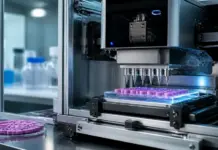
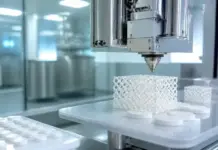
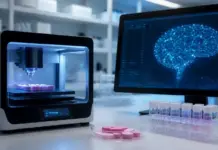




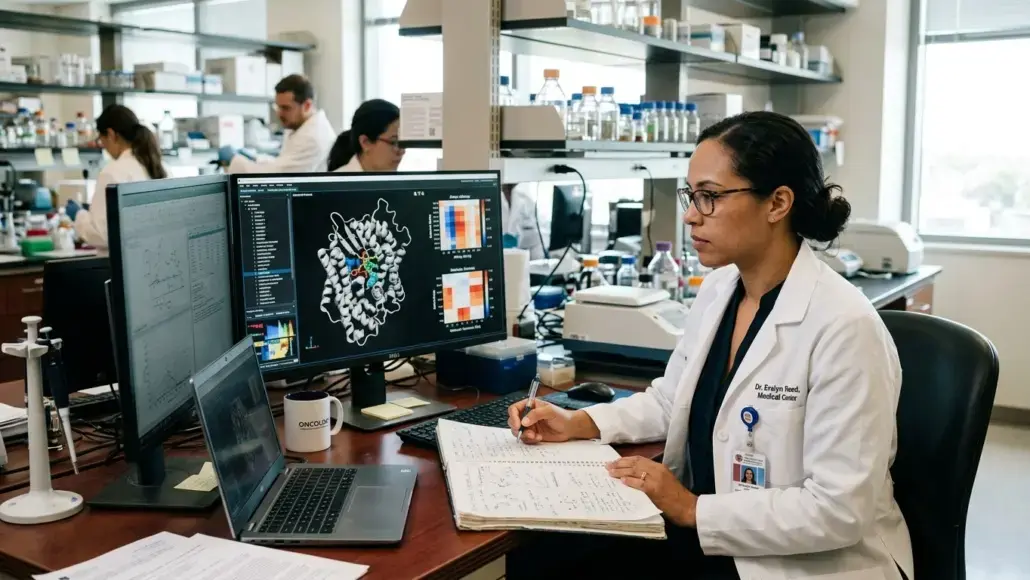
The relentless pursuit of effective cancer treatments has long been a defining challenge in medical science. For decades, the arduous journey from a promising hypothesis to a viable therapeutic agent has been characterized by immense financial investment, prolonged timelines, and an alarmingly high rate of attrition. However, a revolutionary force is now reshaping this landscape: artificial intelligence. The integration of advanced computational intelligence into the pharmaceutical domain, specifically AI drug discovery for cancer, is heralding an unprecedented era of speed, precision, and hope in the fight against this formidable disease. It’s a transformation that promises to streamline the entire process, from the earliest stages of identifying molecular targets to the ultimate goal of delivering impactful clinical candidates to patients.
The Unyielding Quest: Reimagining Cancer Drug Development
Cancer, in its myriad forms, remains a leading cause of mortality worldwide. Its inherent complexity – marked by genetic heterogeneity, dynamic microenvironments, and adaptive resistance mechanisms – poses formidable obstacles to effective treatment. Traditional drug discovery methodologies often involve laborious, high-throughput screening of chemical libraries, a process that is both time-consuming and often yields suboptimal results. The sheer volume of biological and chemical data generated in modern research, from genomic sequencing to proteomics and real-world clinical evidence, has long outstripped humanity’s capacity to process and derive meaningful insights manually. This bottleneck has underscored the urgent necessity for innovative approaches to cancer drug development. Pharma Advancement notes that it is precisely in this context that AI emerges as a transformative solution, offering the analytical power required to navigate this complexity and accelerate the identification and progression of novel oncology therapeutics.
Overcoming Traditional Hurdles with Intelligent Systems
The conventional pipeline for developing new drugs can span over a decade and cost billions of dollars, with success rates hovering around 10% from preclinical stages to market approval. A significant portion of these failures occur due to issues like poor efficacy, unforeseen toxicity, or unfavorable pharmacokinetic properties. AI in oncology is poised to address these critical weaknesses by introducing predictive capabilities and automation at various points, thereby de-risking the journey and enhancing the likelihood of success for future clinical candidates. This shift is not merely an incremental improvement but a fundamental paradigm change in how we conceive, discover, and refine treatments for cancer.
Illuminating the Path: Precision Target Identification through AI
One of the most critical initial steps in AI drug discovery for cancer is the accurate identification of novel and actionable drug targets. These targets are typically proteins or pathways that play a crucial role in cancer cell growth, survival, or metastasis. Pinpointing the right targets is paramount, as a poorly chosen target can derail an entire drug development program. This is where AI’s unparalleled data processing capabilities truly shine.
AI’s Pivotal Role in Unlocking Cancer’s Weaknesses
Artificial intelligence, particularly machine learning (ML) and deep learning (DL) algorithms, can sift through petabytes of diverse biological data – including genomic sequences, proteomic profiles, gene expression patterns, clinical trial data, and real-world evidence – with a speed and accuracy impossible for human researchers. These algorithms are adept at identifying intricate patterns, subtle correlations, and causal relationships that indicate potential vulnerabilities within cancer cells. By analyzing vast repositories of omics data from thousands of patient samples, AI can reveal novel drug targets that are aberrantly expressed or mutated in tumors but crucial for their proliferation. This allows researchers to move beyond well-trodden pathways and explore new avenues for therapeutic intervention.
Deepening Insights with Biomarker Analysis
Furthermore, AI significantly advances biomarker analysis, which is indispensable for personalizing cancer treatment. Biomarkers are measurable indicators of a biological state or condition, and in oncology, they can predict disease progression, treatment response, or even predisposition to cancer. AI models can analyze complex features within medical images, genetic data, and liquid biopsies to identify unique biomarker signatures that correlate with specific tumor subtypes or patient responses to particular therapies. This ability to stratify patients based on their molecular profile not only enhances the precision of AI drug discovery for cancer but also optimizes clinical trial design, ensuring that the right oncology therapeutics reach the right patients, thereby increasing the success rates of experimental therapies and accelerating the path to viable clinical candidates. The integration of multi-omics data, where AI combines information from genomics, transcriptomics, proteomics, and metabolomics, provides a holistic, systemic view of cancer biology, uncovering complex interactions that drive tumor growth and resistance mechanisms.
Architecting Solutions: From Lead Discovery to Optimized Therapeutics
Once promising targets are identified, the next challenge in cancer drug development is to find or design molecules that can specifically modulate these targets to achieve a therapeutic effect. This phase, known as lead discovery and optimization, is traditionally resource-intensive and time-consuming. AI is dramatically transforming this stage, turning it into a more efficient and directed process.
Accelerating the Design and Refinement of Anti-Cancer Compounds
AI-powered virtual screening techniques allow researchers to rapidly evaluate millions, even billions, of chemical compounds for their potential interaction with a specific protein target. Instead of laboriously testing each compound in a laboratory, AI algorithms predict binding affinities, molecular interactions, and potential efficacy based on chemical structure and target properties. This drastically reduces the number of compounds that need to be synthesized and experimentally tested, saving immense time and resources.
Generative AI for Novel Molecular Structures
Beyond screening existing libraries, generative AI models can design entirely new molecular structures from scratch that are optimized for specific therapeutic properties. These sophisticated algorithms learn from vast datasets of known drugs and biological compounds to create novel chemical entities with desired characteristics, such as high potency, selectivity for the target, and favorable pharmacokinetic profiles. This de novo drug design capability is a game-changer for oncology therapeutics, offering a pathway to truly novel compounds that may circumvent existing resistance mechanisms or address previously “undruggable” targets.
Enhancing Lead Optimization
The journey doesn’t end with a “hit” compound; it must be refined. Lead optimization is the iterative process of improving the initial hits to become more drug-like. AI accelerates this by predicting a compound’s absorption, distribution, metabolism, excretion (ADME) properties, as well as potential toxicity, before synthesis. This allows chemists to make informed decisions about structural modifications, prioritizing changes that enhance efficacy while minimizing undesirable side effects. AI can also predict potential synthetic routes and manufacturing feasibility, streamlining the entire early development pipeline and significantly improving the quality of clinical candidates moving forward. This meticulous, AI-driven refinement process dramatically increases the likelihood of an experimental drug successfully navigating subsequent development phases.
Bridging the Gap: Advancing Towards Clinical Candidates
The ultimate goal of AI drug discovery for cancer treatment is to move promising compounds through preclinical testing and into human clinical trials as swiftly and safely as possible. AI’s predictive capabilities extend far beyond the laboratory bench, influencing how we prepare for and conduct human studies.
Preparing for the Clinic: AI’s Impact on Preclinical and Translational Research
In preclinical development, AI models are increasingly used for predictive toxicology. By analyzing vast datasets of chemical structures and known toxicity profiles, AI can forecast potential adverse effects of a new compound much earlier in the development cycle. This early flagging of potential safety concerns helps de-risk cancer drug development before costly animal studies or human trials are initiated, preventing the progression of unsafe compounds and protecting patient volunteers.
Furthermore, AI is instrumental in enhancing patient stratification for clinical trials. Based on the earlier biomarker analysis insights, AI algorithms can identify specific subgroups of cancer patients who are most likely to respond positively to a particular experimental therapy. This targeted approach not only improves the statistical power and efficiency of clinical trials but also ensures that oncology therapeutics are tested on patients most likely to benefit, thereby increasing the chances of trial success and accelerating the approval of effective clinical candidates. AI also aids in optimizing clinical trial design by simulating trial outcomes, identifying optimal dosing regimens, and predicting patient recruitment patterns, making the entire process more efficient and ethical. This intelligent, data-driven strategy directly contributes to pushing promising compounds through the pipeline faster and more safely, ultimately delivering more effective AI drug discovery for cancer solutions.
The Collaborative Frontier: AI, Experts, and Ethics
While the power of AI in transforming cancer drug discovery is undeniable, it is crucial to recognize that AI is not a replacement for human intellect and ingenuity. Instead, it serves as a powerful augmentative tool, empowering scientists, oncologists, and researchers with capabilities previously unimaginable.
Synergistic Innovation and Responsible Development
The interpretation of AI’s outputs, the validation of hypotheses generated by algorithms, and the critical decision-making throughout the drug development process still require profound domain expertise. The synergy between human biological insight and AI’s computational prowess is what truly accelerates the journey from target to clinical candidates. Experienced researchers are essential to guide AI models, correct biases, and understand the biological context that AI might miss.
Moreover, the ethical implications of using AI in such a sensitive field demand careful consideration. Issues surrounding data privacy, the potential for algorithmic bias in patient stratification, and ensuring equitable access to AI-driven therapies must be proactively addressed. The development of transparent AI models (explainable AI or XAI) is gaining traction, allowing researchers to understand why an AI made a particular prediction, fostering trust and enabling more informed decisions in the development of oncology therapeutics. This human-AI collaboration ensures that innovation proceeds responsibly and ethically.
Overcoming Hurdles: Shaping the Future of Cancer Treatment
Despite its immense promise, the widespread adoption of AI drug discovery for cancer treatment faces several challenges. Data availability and quality remain critical hurdles; AI models are only as good as the data they are trained on, and high-quality, diverse, and well-annotated biological and clinical datasets are essential. The need for robust experimental validation of AI-generated hypotheses is also paramount, bridging the gap between computational prediction and laboratory reality. Furthermore, regulatory bodies are still adapting to the rapid pace of AI innovation, requiring new frameworks for the assessment and approval of AI-developed drugs.
Navigating the Next Chapter in AI-Driven Oncology
Pharma Advancement is of the opinion that addressing these challenges necessitates an interdisciplinary approach, fostering collaboration between AI scientists, computational biologists, medicinal chemists, oncologists, and regulatory experts. The future of AI in oncology is bright, with continued advancements in machine learning algorithms, computational power, and our understanding of cancer biology. AI will deepen our mechanistic understanding of cancer, personalize treatments even further by predicting individual responses and resistances, and continuously refine the drug discovery process, leading to a new era of highly effective and safer clinical candidates. The transformative potential of AI drug discovery for cancer treatment is vast and growing, promising to fundamentally reshape our fight against this devastating disease, offering new hope and improved outcomes for patients worldwide.
