




















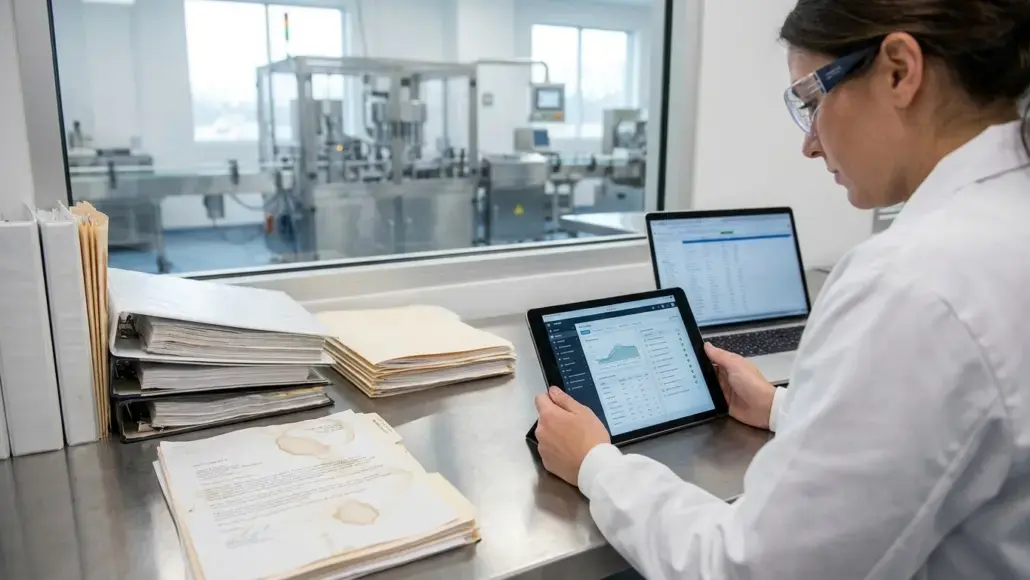
In the highly regulated world of pharmaceutical manufacturing, the validation of facilities and equipment is a non-negotiable prerequisite for commercial production. Historically, this process Facility Qualification (FQ) has been synonymous with mountains of paper, manually signed protocols, and the painstaking cross-referencing of hundreds of individual documents. This traditional approach is not only incredibly time-consuming but is also inherently prone to human error, leading to delays in production and potential compliance risks. Enter digital validation platforms. These advanced software solutions are transforming the Facility Qualification landscape by replacing paper-based workflows with integrated, digital systems that ensure data integrity, automate documentation, and significantly accelerate the path to GMP readiness. Digital validation platforms are the essential tool for any modern pharmaceutical company looking to streamline its operations and maintain a competitive edge in a fast-paced market.
The Evolution from Paper to Digital Compliance
The move toward digital validation platforms is driven by the need for greater efficiency and more robust data integrity. In a paper-based system, a single missed signature or a misplaced page can derail a qualification project, requiring hours of manual searching and correction. Furthermore, ensuring that all data meets the ALCOA+ principles (Attributable, Legible, Contemporaneous, Original, and Accurate) is a constant challenge when information is captured by hand. Digital platforms solve these issues by providing a structured, electronic environment where every action is automatically tracked and recorded in a secure audit trail.
Facility qualification using digital platforms begins with the creation of digital protocols. Instead of typing up documents that are then printed and signed, validation engineers use standardized templates within the software. These protocols are electronically reviewed and approved, ensuring that everyone is working from the most current version. When it comes time to execute the tests, data is captured directly into the platform, often using mobile devices on the shop floor. This “point-of-capture” data entry ensures that the information is contemporaneous and eliminates the risk of errors that occur during the transcription of handwritten notes into a digital report.
Strengthening Data Integrity and Audit Readiness
For pharmaceutical companies, the integrity of their validation data is the foundation of their regulatory compliance. Digital validation platforms are designed with compliance at their core, featuring built-in controls that prevent unauthorized changes and ensure that all data is properly attributed. Features such as electronic signatures, time-stamping, and robust user access controls provide a level of security that paper systems simply cannot match. This is particularly important during regulatory inspections, where the ability to quickly provide a clear and complete history of a facility’s qualification is essential.
When an auditor asks to see the validation history of a specific piece of equipment, a digital platform allows the user to retrieve the entire “genealogy” of that asset in seconds. This includes the initial risk assessment, the approved protocols, the execution data, and any deviations that occurred during testing. This level of transparency builds trust with regulators and demonstrates that the company is in full control of its processes. Digital validation platforms streamline facility qualification by making the entire process “audit-ready” from day one, reducing the stress and risk associated with regulatory oversight.
Accelerating Timelines through Automation and Integration
One of the most significant benefits of digital validation platforms is the dramatic reduction in the time required to complete facility qualification. Automation plays a key role here, with the software handling many of the repetitive and time-consuming tasks that used to be done manually. For example, the platform can automatically generate summary reports and traceability matrices, which are essential for proving that every requirement has been tested and met. This eliminates days or even weeks of manual work at the end of a project.
Furthermore, digital platforms allow for greater integration between the different stages of the qualification lifecycle. Data from the commissioning phase can be seamlessly carried forward into the qualification phase, preventing the need for redundant testing. The platform can also be integrated with other facility systems, such as the Building Management System (BMS) or the Environmental Monitoring System (EMS), allowing validation tests to use real-time data from the sensors already in place. This level of connectivity ensures that the facility qualification is based on the most accurate and up-to-date information, further accelerating the path to commercial production.
Improving Collaboration and Global Consistency
Facility qualification is a team effort, involving engineers, quality assurance specialists, and operations personnel, often across multiple sites and time zones. Digital validation platforms provide a centralized, cloud-based workspace that facilitates collaboration and ensures that everyone is on the same page. Stakeholders can review and approve documents in real-time, regardless of their location, which is a major advantage for global pharmaceutical companies. This eliminates the delays caused by shipping paper documents back and forth between sites.
The use of standardized digital templates also ensures a high level of consistency across the organization. A company can define its global validation standards within the platform, ensuring that every facility is qualified to the same high level of quality, whether it is in New York or New Delhi. This consistency is not only good for quality but also simplifies the regulatory process, as the company can provide a unified and consistent story to regulators around the world. Digital validation platforms are a powerful tool for scaling up manufacturing operations and ensuring that new facilities can be brought online quickly and reliably.
Overcoming the Challenges of Digital Transformation
While the benefits of digital validation platforms are undeniable, the transition from paper to digital is a significant undertaking that requires careful planning and a commitment to change. One of the primary challenges is the validation of the platform itself. Like any software used in a GMP environment, the digital validation platform must be proven to be fit for its intended use. This requires a rigorous “validation of the validation tool” process. However, many modern platform providers offer “pre-validated” solutions and comprehensive support to make this process as smooth as possible.
Another challenge is the cultural shift required for the workforce. Validation engineers who have spent their careers working with paper may be hesitant to embrace a digital system. This requires a comprehensive training program and a clear communication of the benefits, such as the reduction in tedious paperwork and the improved accuracy of the data. Successful implementation of digital validation platforms requires a top-down commitment to digital transformation and a willingness to invest in the future of the company. Those organizations that can overcome these hurdles will find themselves in a much stronger position to navigate the complexities of modern pharmaceutical manufacturing.
Conclusion: The Future of Facility Qualification
The age of paper-based validation is rapidly coming to an end. Digital validation platforms streamlining facility qualification are the future of pharmaceutical compliance, offering a level of efficiency, data integrity, and speed that was previously impossible. By embracing these digital tools, companies can reduce the time and cost associated with bringing new facilities online, while simultaneously improving their regulatory standing. The data-rich insights provided by digital platforms also offer opportunities for continuous improvement, allowing manufacturers to optimize their processes and maintain a constant state of control. As the pharmaceutical industry continues to evolve, the ability to qualify facilities quickly and accurately will be a key differentiator, and digital validation platforms will be the essential engine driving that success.
