




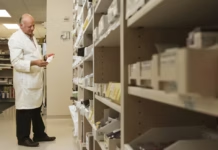












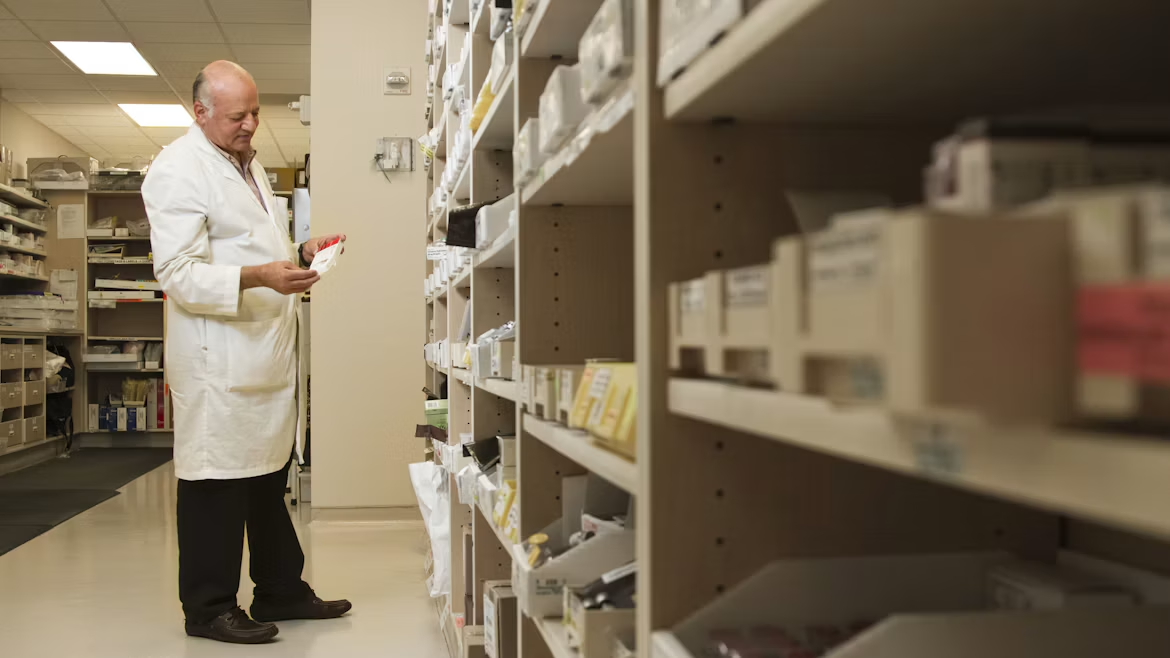
For decades, the public viewed pharmacists primarily as professionals who counted pills and dispensed prescriptions behind a retail counter. However, this traditional image doesn’t really reflect the reality of modern medicine. Today, pharmacists serve as frontline clinical care providers within hospitals, outpatient clinics, and local communities.
What’s more, as patient needs grow more complex and healthcare systems face severe provider shortages, these medication experts are stepping into vital new roles. Essentially, pharmacists have become indispensable partners who directly shape patient outcomes and improve overall public health.
In this article, let’s explore their increasing responsibilities and the implications involved.
Bridging the Gap in Transitions of Care
Modern pharmacists are no longer waiting at the end of the healthcare assembly line to simply hand over medications. Instead, they actively prevent dangerous hospital bounce-backs by managing complex drug regimens right after a patient is discharged.
Moving from a hospital bed back home is a vulnerable time filled with medication changes and confusing instructions. Without expert guidance, patients frequently take incorrect doses or experience severe side effects that send them straight back to the emergency room.
Recent clinical evidence proves just how vital pharmacist intervention is during this critical window. According to one study, pharmacist involvement was associated with a significant reduction in 30-day hospital readmission in a transitions of care program. The patients involved in this study were high-risk individuals who already had a history of multiple hospital admissions.
Researchers found that patients who received the pharmacist-led intervention had a 30-day readmission rate of just 22.9%. By comparison, the group that did not receive this specialized pharmacist oversight suffered a staggering 55.6% readmission rate. So, by reconciling prescriptions and educating patients, pharmacists keep vulnerable individuals safe at home while drastically reducing healthcare costs.
Expanding Prescriptive Authority and Addiction Care

Regulatory frameworks are finally catching up to the deep clinical expertise that pharmacists bring to the healthcare team. In many parts of the country, lawmakers are granting pharmacists independent prescribing powers to help tackle urgent public health crises like the opioid epidemic.
Historically, patients struggling with addiction faced steep barriers when trying to access timely treatment. They often waited weeks to see a specialized physician. Allowing accessible community pharmacists to step in removes these dangerous bottlenecks and connects patients with life-saving care immediately.
As one report shows, ten states in America have already started to permit some form of prescriptions for medical opioid use disorder by pharmacists. In these states (of which Minnesota is one), Schedule III-V controlled substances can be prescribed without a collaborating physician’s prescription.
This becomes particularly relevant in rural areas where uninsured people are at greater risk of opioid misuse. In these areas, pharmacists can play an important role, but the industry requires accessible training pathways. In the past, this was difficult, but today, it’s possible to complete even advanced programs like a PharmD online (Doctor of Pharmacy).
As the University of Findlay explains, these programs have 100% of their coursework online and are accredited by the Accreditation Council for Pharmacy Education. This allows pharmacists in rural communities to gain advanced clinical credentials without relocating away from areas facing severe provider shortages.
Handling an Aging Population and Polypharmacy

A rapidly aging demographic means millions of patients are managing multiple chronic conditions simultaneously. This makes pharmacists essential gatekeepers against dangerous drug interactions.
As people live longer, they naturally accumulate more prescriptions for conditions like heart disease, diabetes, and arthritis. This phenomenon, known as polypharmacy, dramatically increases the risk of adverse drug events, falls, and cognitive decline among seniors. Pharmacists must constantly review these complex medication lists to deprescribe unnecessary drugs and adjust dosages for aging livers and kidneys.
Demographic data highlights just how urgent this clinical responsibility has become for the American healthcare system. The Census Bureau reports that in 2025, the United States ranked the 48th oldest country out of 227, with 18.9% of its population aged 65 or older. By 2060, older adults are projected to make up 23.4% of the U.S. population.
As this silver wave grows, pharmacists will bear an even greater responsibility for safeguarding senior health. Their specialized knowledge ensures that treatments for one chronic illness do not accidentally harm an older patient in another way.
Delivering Holistic, Patient-Centered Pain Management

Modern pharmacy requires looking far beyond a standard prescription pad to understand a patient’s full medical history and unique pain profile. Treating acute or chronic pain is never a one-size-fits-all process, especially when balancing effective relief against the risks of dependency and side effects.
Pharmacists must act as clinical detectives who piece together various health factors before recommending or adjusting a therapy plan. This level of personalized care demands both sharp analytical skills and genuine clinical empathy.
As critical care pharmacist Slampak-Cindric explains, no two patients’ pain needs are alike. Patients have a backstory, and that history becomes the responsibility of the pharmacist. She explains that patient care needs to focus on all of their past medical problems as well as what they’re going through right now.
It is only by evaluating the whole person rather than just a single symptom that pharmacists help craft safer, more effective pain management strategies. Pharmacists have successfully evolved from behind-the-counter dispensers into indispensable clinical partners across every corner of modern medicine. Whether they are preventing hospital readmissions, prescribing addiction treatments, or protecting an aging population from polypharmacy, their impact is undeniable.
They bring a holistic, patient-centered perspective that bridges critical gaps in our strained healthcare system. Empowering these medication experts to practice at the top of their license is no longer just a helpful trend. It is an absolute necessity for building a safer, more accessible, and sustainable healthcare future.
