












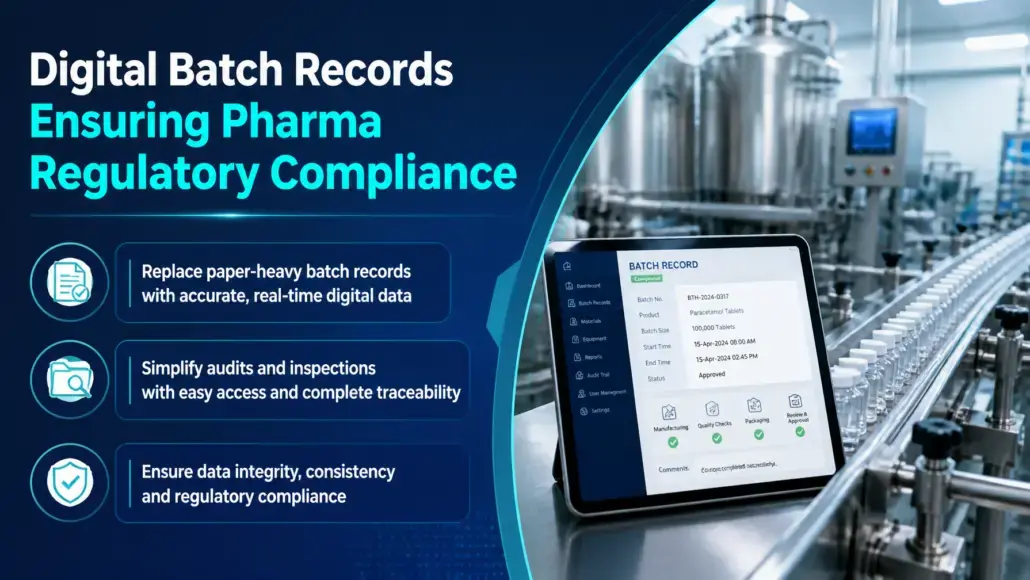
The pharmaceutical manufacturing sector has long been burdened by a mountain of paperwork. For decades, the industry relied on manual, paper based batch records to document every step of the production process. These records, which could often reach thousands of pages for a single batch, were not only inefficient to produce but also extremely difficult to manage and audit. However, the rise of digital batch records (DBR) for pharma compliance is now transforming the industry, enabling a shift toward a zero paper production environment. By integrating manufacturing execution systems with real time data capture, companies can ensure that their production processes are documented accurately, securely, and in full compliance with global regulatory standards.
Pharma Advancement notes that the transition to digital records is more than just an administrative upgrade. It represents a fundamental change in how pharmaceutical companies approach quality and compliance. In a paper based system, a single missing initial or an illegible entry could lead to weeks of investigation and potential product delays. Digital batch records eliminate these issues by using automated validation checks to ensure that all required data is entered correctly and in the correct format before the process can move forward. This not only reduces the risk of human error but also speeds up the batch review and release process, allowing life saving medications to reach patients much faster.
The Global Rollout of Digital Systems at Pfizer
One of the most significant examples of this digital transformation is Pfizer’s global rollout of MasterControl digital batch record systems. Pfizer, one of the world’s largest pharmaceutical companies, recognized that its legacy paper systems were a bottleneck in its manufacturing operations. By implementing a standardized digital platform across all its primary manufacturing sites, Pfizer has been able to streamline its compliance processes and achieve a higher level of operational excellence. The system allows for the real time capture of data from the factory floor, providing a single source of truth for all production activities.
The benefits of this global rollout have been substantial. Pfizer has reported a significant reduction in the time required to review and release batches, as the digital system automatically identifies any deviations or nonconformances that require attention. This review by exception approach allows quality assurance teams to focus their efforts where they are needed most, rather than spending hours manually checking thousands of pages of paperwork. Furthermore, the digital records are easily searchable and can be accessed remotely, making it much easier for Pfizer to respond to regulatory inspections and audits from any location in the world. As these digital records scale across global sites, the underlying hybrid cloud infrastructure becomes the vital backbone for syncing this compliance data in real time.
Ensuring Data Integrity and Regulatory Compliance
Data integrity is a critical requirement for pharmaceutical manufacturing, and digital batch recordstch play a key role in ensuring that all data is accurate, complete, and reliable. Regulatory agencies like the FDA and the EMA have strict guidelines for the management of electronic records, such as FDA 21 CFR Part 11. These guidelines require that electronic systems include features like audit trails, electronic signatures, and secure access controls to prevent unauthorized changes to the data.
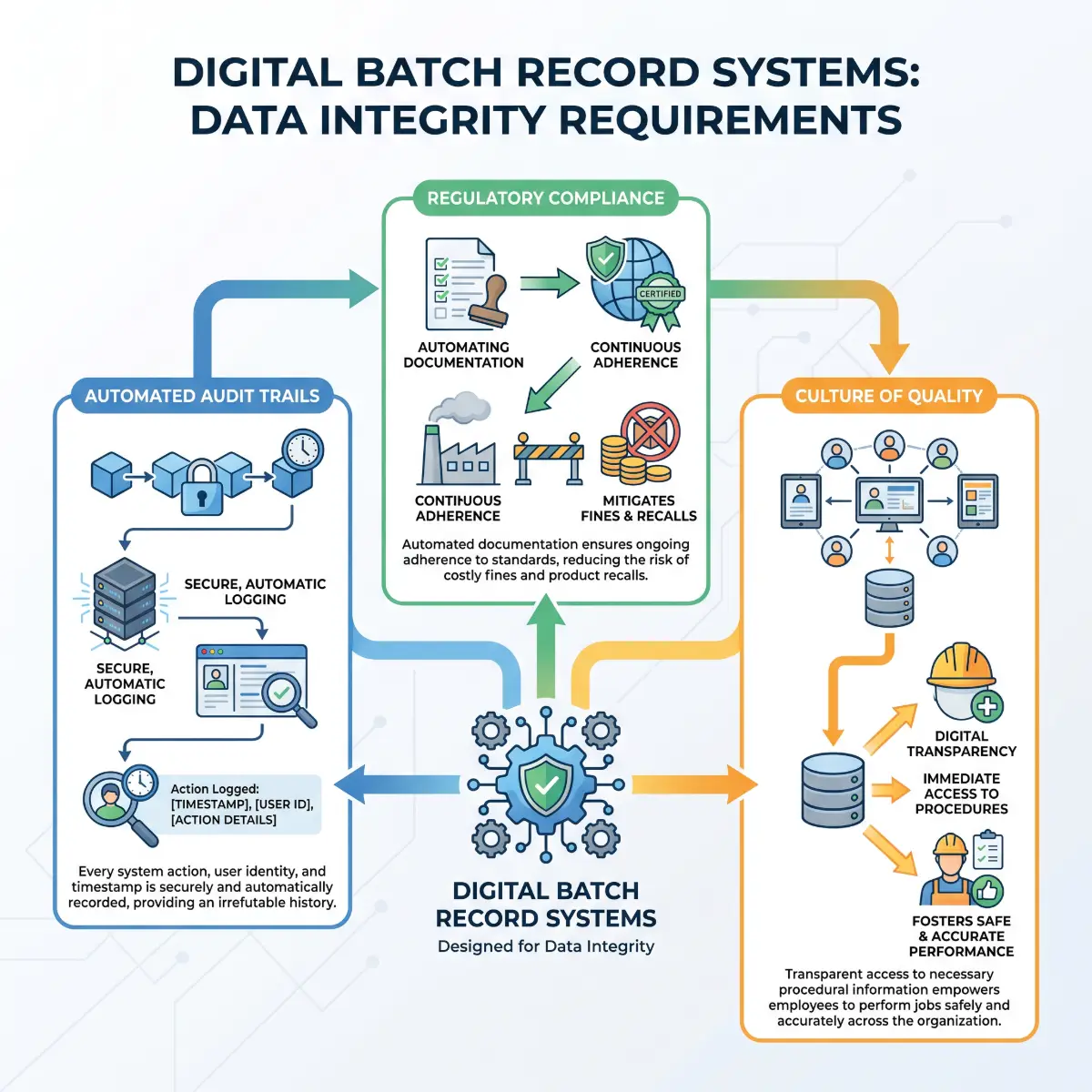
Digital batch record systems are designed with these requirements regarding data integrity in mind:
-
Automated Audit Trails: Every system action is securely and automatically logged with detailed user identity and timestamp data.
-
Regulatory Compliance: Automating documentation ensures continuous adherence to regulatory standards, mitigating the risk of expensive fines and product recalls.
-
Culture of Quality: Digital transparency gives employees immediate access to necessary procedural information, fostering safe and accurate job performance across the organization.
The Integration of MES and Real-Time Data Capture
To achieve a true zero paper production environment, digital batch records must be fully integrated with the company’s manufacturing execution system and other factory floor technologies. This integration allows for the seamless flow of data from the production equipment directly into the batch record, eliminating the need for manual data entry. For example, a scale can automatically send the weight of a raw material to the DBR, or a temperature sensor can record the conditions in a fermentation tank throughout the entire process.
This real time data capture provides a level of visibility that was previously impossible in a paper based system. Production managers can monitor the status of every batch in real time, identifying potential issues before they lead to a failed batch. The data can also be used for long term trend analysis, helping companies to optimize their processes and improve their overall yields. As the pharmaceutical industry moves toward Pharma 4.0, the integration of digital batch records with other advanced technologies like AI and machine learning will become increasingly important for maintaining a competitive edge.
Overcoming the Challenges of Digital Adoption
While the benefits of digital batch records for pharma compliance are clear, the transition from paper to digital is not without its challenges. Implementing a new system across a global manufacturing network requires a significant investment in technology, training, and change management. Companies must also ensure that their digital systems are robust and secure, with redundant backups and disaster recovery plans in place to protect their valuable data. Furthermore, the validation of a new DBR system can be a complex and time consuming process, requiring a thorough understanding of both the technology and the regulatory requirements.
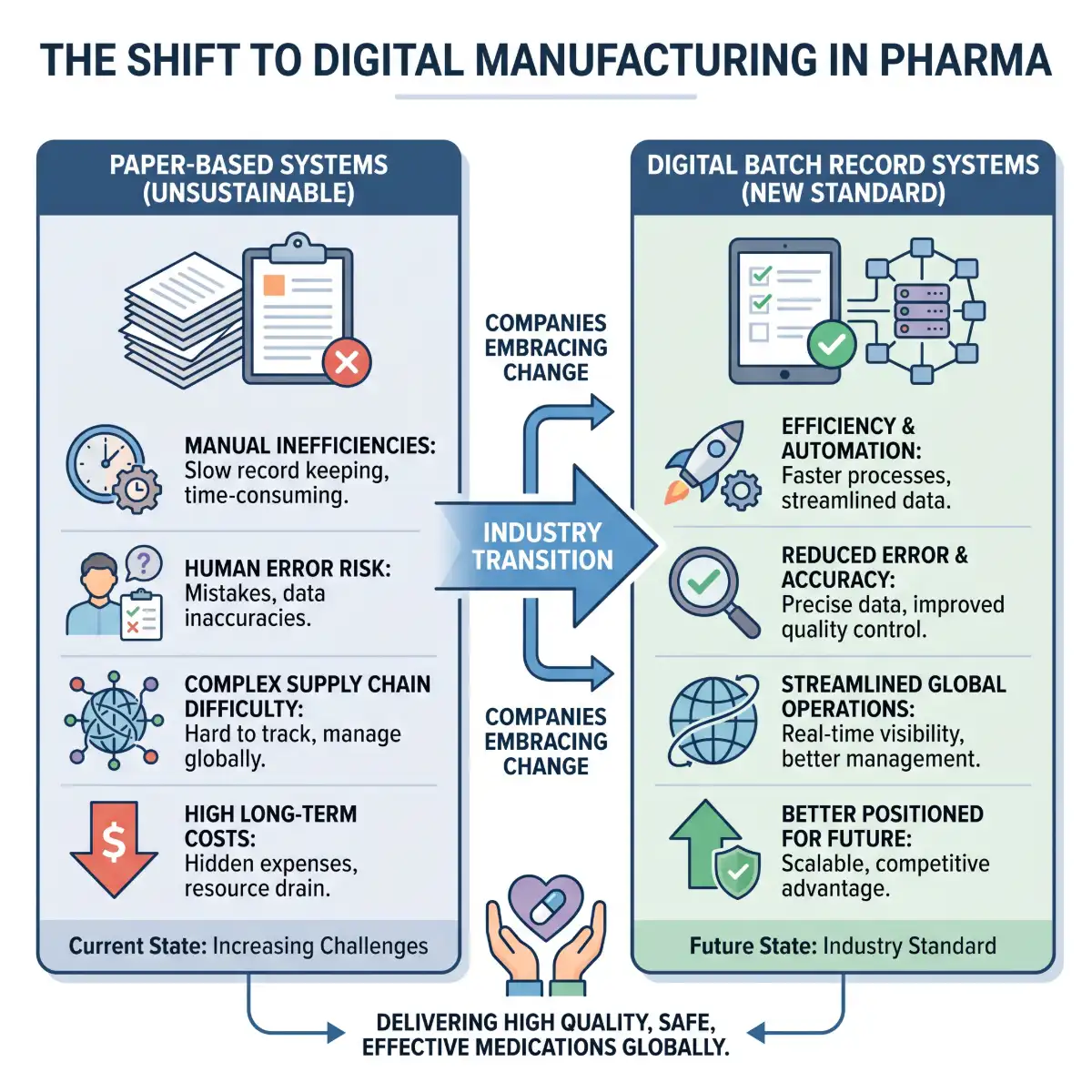
However, the long term costs of sticking with a paper based system are much higher. The inefficiencies of manual record keeping, the risk of human error, and the difficulty of managing complex global supply chains make paper systems unsustainable in the modern pharmaceutical market. As more companies successfully implement digital batch record systems, the industry is reaching a point where digital will be the standard for all manufacturing operations. The companies that embrace this change will be better positioned to navigate the challenges of the future and continue to deliver high quality, safe, and effective medications to patients around the world.
Future of Quality and Compliance
The adoption of digital batch records is a major milestone in the ongoing digital transformation of the pharmaceutical industry. By eliminating paper based systems and embracing real time data capture, companies can improve their operational efficiency, enhance their data integrity, and ensure that they are always in compliance with global regulatory standards. The success of Pfizer’s global rollout of MasterControl systems is a powerful example of what can be achieved when a company makes a strategic commitment to digital excellence.
In the upcoming future, Pharma Advancement observes that the role of digital records will only become more important as the industry moves toward more complex manufacturing processes and personalized medicines. The integration of DBR with other advanced technologies will provide the foundation for a more agile, transparent, and data driven pharmaceutical supply chain. Ultimately, the shift to digital is about more than just technology. it is about improving the lives of patients by ensuring that the medications they rely on are produced to the highest possible standards of quality and safety.
References
-
MasterControl
-
IDBS
-
ResearchGate
- Pfizer
