


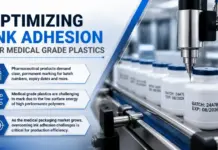










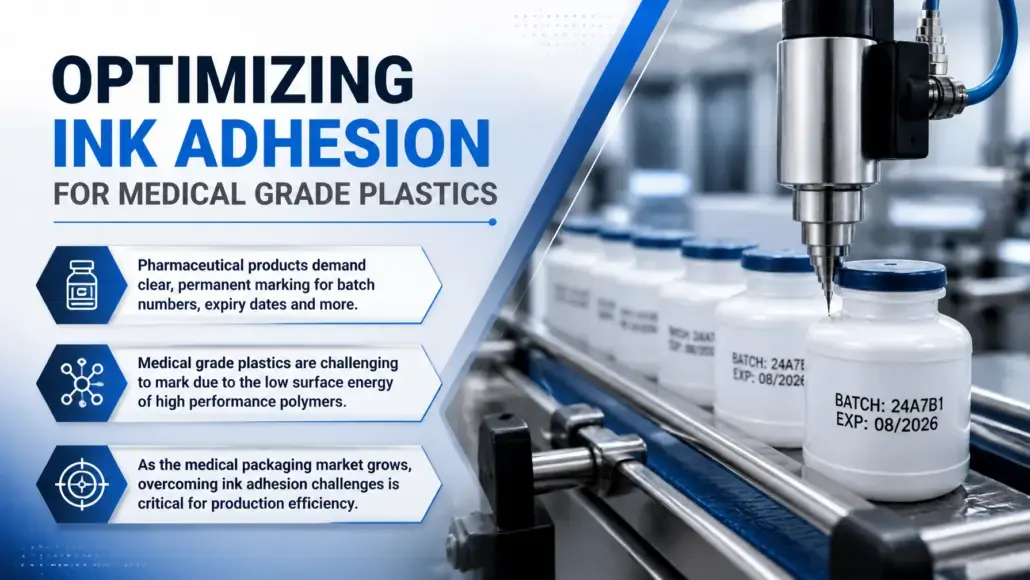
The pharmaceutical industry relies heavily on clear and permanent marking for everything from batch numbers to expiration dates. Pharma Advancement observes that on medical grade plastics, achieving this permanence is notoriously difficult due to the low surface energy of many high performance polymers. As the global medical packaging market is set to reach 95.1 billion USD by the end of 2026, the technical challenge of medical plastic ink adhesion has moved to the forefront of production efficiency. Manufacturers need coding solutions that can withstand sterilization, chemical exposure, and mechanical abrasion without fading or smearing, as any loss of legibility can lead to significant regulatory non compliance and patient safety risks.
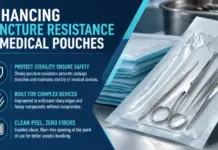
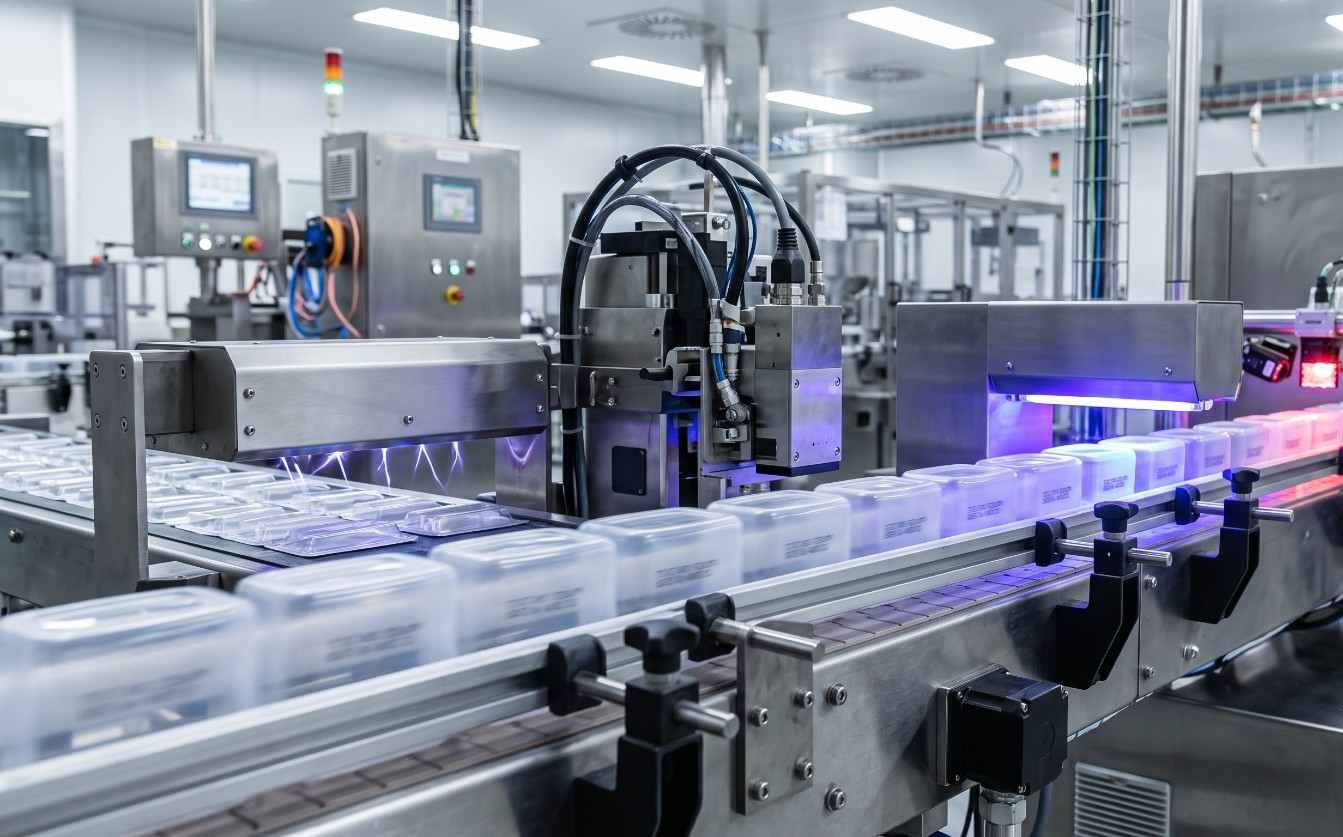
Plastics like polyethylene and polypropylene are favored for their chemical resistance and flexibility, but these same properties make them highly resistant to bonding with standard inks. The surface is often too slick for the ink to bite into, leading to poor durability. To overcome this, many production lines now incorporate surface treatments such as corona discharge or plasma treatment just before the printing station. These processes temporarily increase the surface energy of the plastic, allowing the ink to spread evenly and form a stronger bond. However, the effect of these treatments is short lived, meaning the printing must occur almost immediately after the surface is modified.
Advancements in Ink Chemistry and Migration Safety
Recent advancements in ink chemistry are also providing new ways to improve medical plastic ink adhesion. Domino Printing Sciences, one of the leaders in industrial marking solutions, introduced its non CMR inks in late 2025 that are specifically engineered for performance and safety. These inks are compliant with global standards and offer excellent adhesion on challenging substrates without the use of harmful solvents like methyl ethyl ketone. By moving toward low impact, high performance inks, manufacturers can meet their sustainability goals while ensuring that every code remains crisp and readable throughout the entire product lifecycle. In November 2025, Domino also highlighted the importance of MEK free, low VOC inks for product packaging, providing a safer environment for workers on the factory floor.
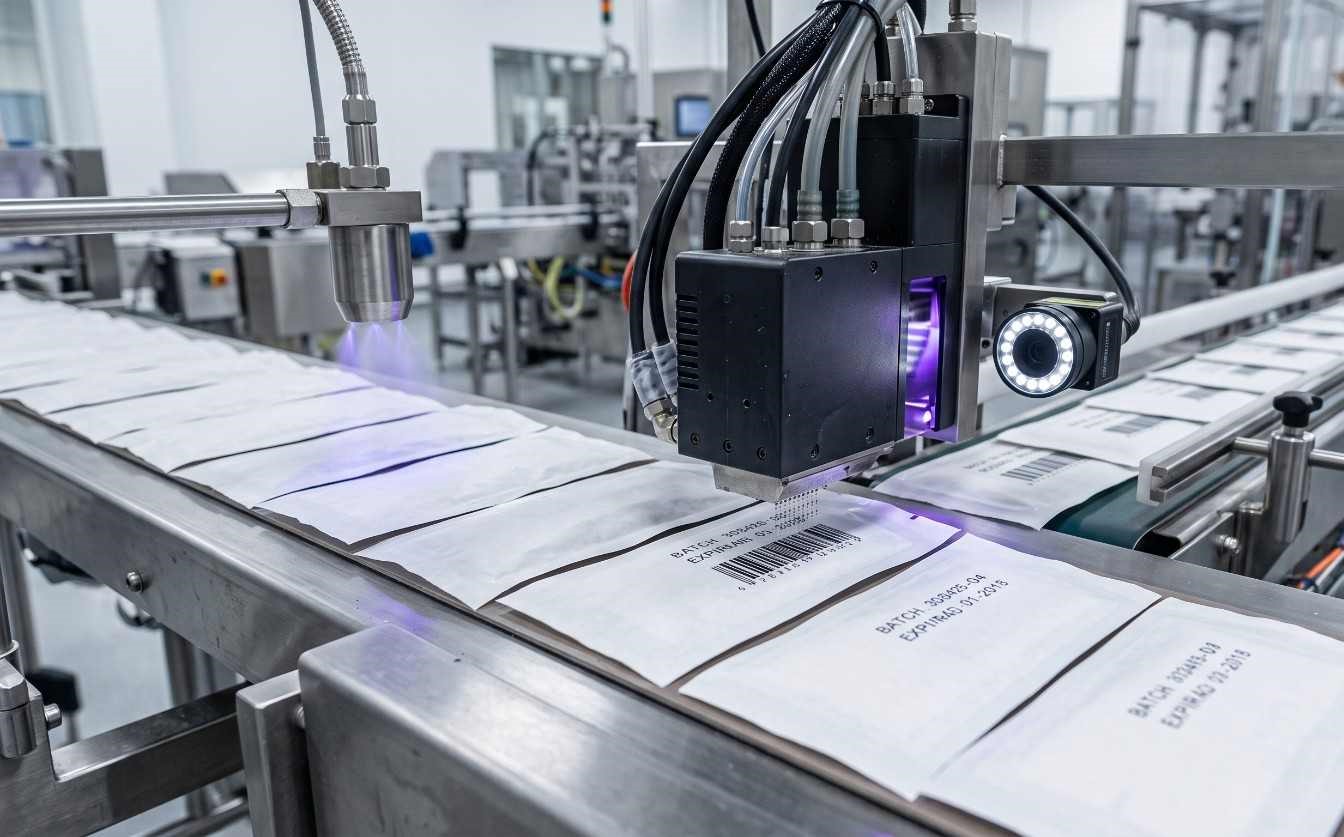
The role of the printing technology itself is equally important. Thermal inkjet and continuous inkjet systems are the workhorses of the industry, but they must be carefully calibrated to the specific plastic being used. A system that works well on a rigid blister pack might struggle to maintain adhesion on a flexible pouch or a textured vial cap. This has led to the adoption of high definition cameras and machine vision systems that inspect the quality of every print in real time. If the system detects a drop in legibility or a sign of ink flaking, it can trigger an immediate alert to the operator, preventing thousands of poorly marked products from entering the supply chain.
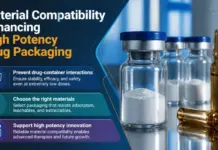
For manufacturers dealing with highly specialized containers, the challenges are even greater. When considering material compatibility for high potency drug packs, the choice of ink must be evaluated not just for adhesion, but also for the risk of migration through the plastic barrier. Some ink components can leach into the drug product, which is a major concern for sensitive formulations. This is why many pharmaceutical firms now require extensive leaching and migration studies as part of their packaging validation process. By selecting inks that are specifically formulated for medical applications, companies can minimize these risks and ensure the long term stability of their drugs.
Hardware Innovations, UV Curing, and Automation
Recent data from market research firms suggests that conventional packaging still represents a large portion of technology use in 2026, particularly for high volume standard drug lines. However, the shift toward more complex medical grade plastics is driving the development of specialized inks. UV curable inks are one such innovation, as they dry almost instantly when exposed to ultraviolet light, forming a tough and durable film that is highly resistant to chemicals and moisture. While UV systems require a higher initial investment, the improved throughput and reduced waste often provide a strong return on investment for large scale manufacturers.
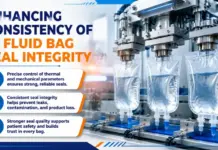
Videojet is another global player that has been active in the medical plastic ink adhesion space. Their recent technology updates focus on minimizing maintenance and maximizing uptime by using self cleaning printheads and automated ink delivery systems. This is particularly important for sterile environments where every manual intervention increases the risk of contamination. By automating the ink management process, Videojet helps manufacturers maintain a clean and efficient production line that meets the highest standards of the pharmaceutical industry.
Environmental Demands and Future Integration
Environmental regulations are also pushing the industry away from traditional solvent based inks. Many countries are implementing stricter limits on volatile organic compounds, forcing manufacturers to find water based or high solids alternatives. While these eco friendly inks can be more difficult to work with on plastics, the latest formulations have closed the gap in performance. In future, it is expected that the majority of new installations will favor these greener alternatives, provided they can demonstrate the same level of durability as the older solvent based systems.
Training and expertise remain critical components of success. Even the best ink and the best printer will fail if the system is not set up correctly. Many companies are now investing in specialized training for their production staff to ensure they understand the relationship between surface treatment, ink chemistry, and environmental conditions. Temperature and humidity can significantly impact how an ink dries and adheres, making climate control a vital part of the printing process.
Looking forward, the industry is moving toward even more integrated solutions for ink adhesion. We can expect to see printers that are directly connected to the broader enterprise resource planning system, allowing for automatic updates to batch codes and expiration dates. This will reduce the risk of human error and ensure that every package is marked with the correct and most up to date information. The ultimate goal is a perfectly marked package every time, ensuring that both clinicians and patients have the information they need to use the product safely and effectively.
References
- “What manufacturers need to know about ink safety” – Domino Printing Sciences
- “Domino’s MEK-free low-VOC inks for product packaging” – Domino Printing Sciences
- “Industrial Inkjet Printing on Challenging Substrates” – Videojet
- “Medical Packaging Market Value Analysis 2026” – Future Market Insights
- “Plastic Healthcare Packaging Market Report” – Future Market Insights
- “Pharmaceutical Packaging Materials and Medication Safety” – MDPI
- “Advancements in UV-Curable Inks for Medical Applications” – Markem-Imaje
