





The pharmaceutical world is increasingly looking at its existing arsenal of medications to find new ways to treat emerging and complex diseases. This process, known as drug repurposing or repositioning, involves identifying new therapeutic uses for drugs that have already been approved for other conditions or have passed safety tests in clinical trials. The advantages are clear: because the safety profile of these drugs is already known, the time and cost required to bring them to market for a new indication are significantly reduced. However, finding the needle in the haystack, that is the right drug for the right new disease, has historically been a matter of serendipity or limited laboratory screening. Pharma Advancment highlights the importance of AI to strengthen drug repurposing strategies by providing a systemic, data-driven approach that scans the entire landscape of human biology and pharmacology to find hidden connections that can save lives.
The Logic and Economics of Repurposing Existing Medicines
Drug repurposing is an inherently attractive strategy for the pharmaceutical industry. The development of a brand-new drug from scratch is a high-risk venture with a high failure rate. In contrast, a repurposed drug has already undergone extensive testing for toxicity, absorption, and metabolism. This allows researchers to bypass the early stages of development and move directly into Phase II or III clinical trials for the new indication. AI strengthens drug repurposing strategies by making this search process more efficient. Instead of relying on accidental discoveries—like the famous case of sildenafil (Viagra), which was originally developed for heart disease—researchers can now use AI to proactively identify candidates for a wide range of conditions, from cancer and autoimmune disorders to rare genetic diseases.
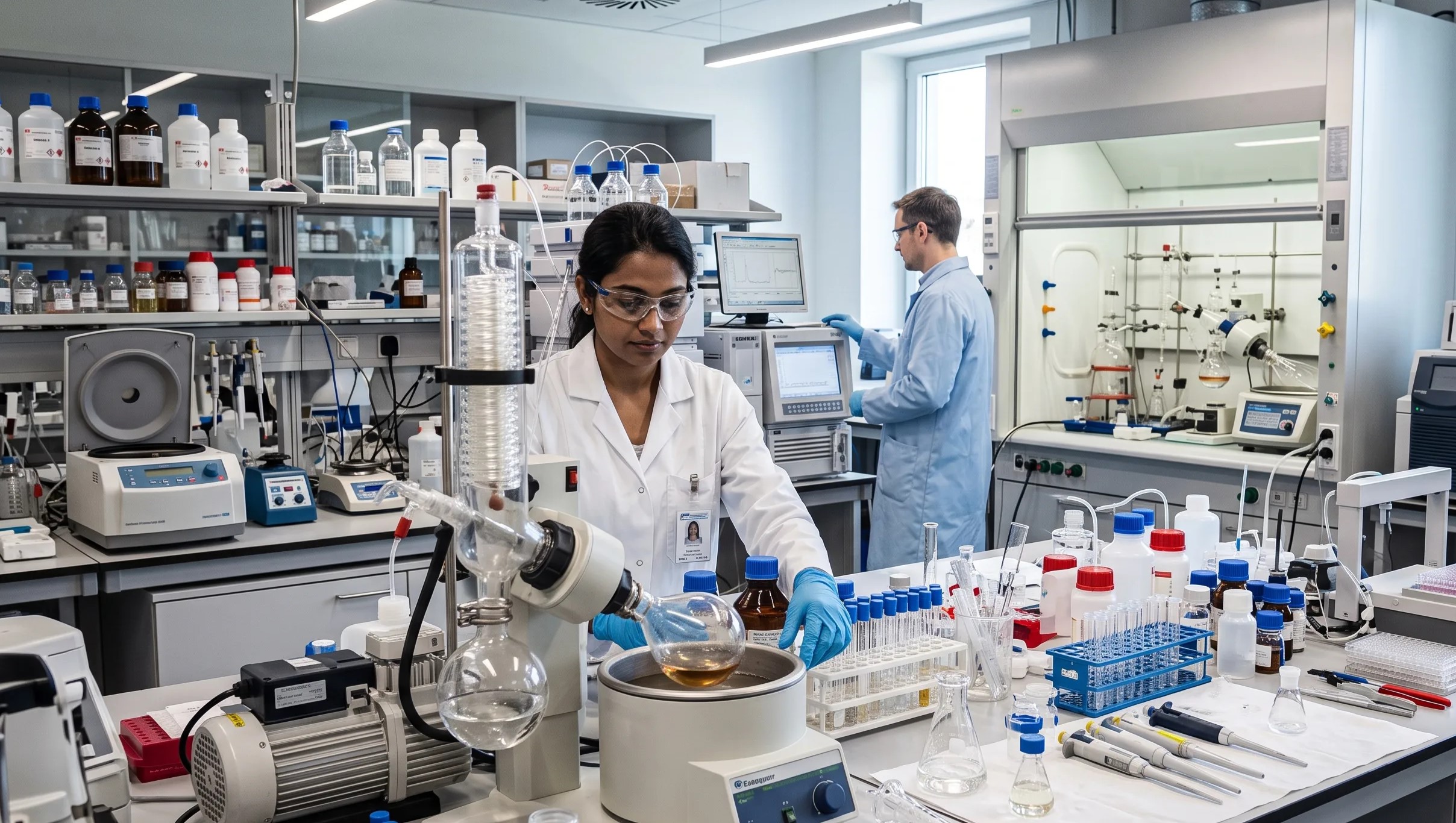
The economic impact is substantial. By reducing the development timeline by several years and cutting costs by hundreds of millions of dollars, drug repurposing makes it financially viable to develop treatments for rare diseases or neglected tropical diseases that might not otherwise attract significant investment. AI strengthens drug repurposing strategies by lowering the barrier to entry for innovation, allowing smaller biotech companies and academic institutions to contribute to the global drug pipeline. This democratization of drug discovery is a vital part of the shift toward a more agile and responsive healthcare system.
Leveraging Knowledge Graphs and Multi-Omics Data
The core of how AI strengthens drug repurposing strategies lies in its ability to integrate and analyze massive, heterogeneous datasets. Modern AI models use knowledge graphs, complex maps that connect drugs, targets, genes, proteins, and diseases. By analyzing the topology of these graphs, AI can identify non-obvious relationships. For example, if a drug is known to inhibit a specific protein that is also involved in the pathway of a completely different disease, the AI can flag that drug as a potential candidate for repurposing. This guilt by association logic, powered by deep learning, allows for a much more comprehensive search than human researchers could ever perform manually.
Furthermore, AI strengthens drug repurposing strategies by incorporating multi-omics data. By looking at how a drug affects the entire transcriptome or proteome of a cell, AI can identify off-target effects that might be therapeutically useful for another condition. This level of granular insight allows scientists to understand the polypharmacology of a drug—the idea that a single medication can interact with multiple targets in the body. By harnessing this complexity rather than being overwhelmed by it, AI turns the pharmaceutical industry’s existing knowledge into a powerful engine for new therapeutic discovery.
Case Studies: AI Successes in Drug Repositioning
The effectiveness of AI-driven repurposing was clearly demonstrated during the COVID-19 pandemic. As the world searched for immediate treatments, AI models were used to screen thousands of existing drugs for their potential to inhibit the virus or dampen the cytokine storm associated with severe cases. AI strengthens drug repurposing strategies by providing a rapid response capability that is essential in a global health crisis. Several drugs, such as baricitinib (originally for rheumatoid arthritis), were identified as potential COVID-19 treatments through AI-led efforts and subsequently validated in clinical trials, helping to save countless lives before vaccines were widely available.
Beyond pandemics, AI strengthens drug repurposing strategies in the field of oncology. Cancer is a highly complex disease where the same tumor can be driven by multiple different genetic mutations. AI can analyze a patient’s tumor profile and suggest repurposed drugs that might hit those specific targets, often in combination with traditional therapies. This personalized approach to repurposing is also gaining ground in neurology, where drugs originally designed for diabetes or inflammation are being investigated for their potential to slow the progression of Alzheimer’s or Parkinson’s disease. The ability of AI to see patterns across completely different therapeutic areas is its most transformative feature.
Overcoming Intellectual Property and Regulatory Hurdles
While the science is promising, the path to a repurposed drug is often blocked by non-scientific barriers. One major challenge is intellectual property (IP). If a drug is already off-patent, there is little financial incentive for a pharma company to fund the expensive clinical trials needed for a new indication. AI strengthens drug repurposing strategies by identifying novel drug-disease combinations that can potentially be patented, providing the necessary protection for investment. Furthermore, AI can help identify new ways to deliver an old drug—such as a different dosage form or a targeted delivery system—which can also create new IP opportunities.
Regulatory bodies are also adapting to the rise of repurposing. Agencies like the FDA have established specific pathways (such as the 505(b)(2) pathway in the U.S.) to streamline the approval of repurposed drugs. AI strengthens drug repurposing strategies by providing the robust evidence needed to support these applications. By using real-world evidence and advanced simulations to prove the potential efficacy of a repurposed drug, AI helps build a compelling case for regulators, further speeding up the journey from the computer screen to the patient’s bedside.
The Role of Network Pharmacology and Virtual Screening
A key technical component of how AI strengthens drug repurposing strategies is virtual screening. Instead of physically testing drugs in a lab, AI models can simulate the interaction between a drug and a disease target in a virtual environment. This allows for the screening of thousands of compounds in a fraction of the time. These models are becoming increasingly sophisticated, incorporating the dynamic nature of protein structures and the complexities of the cellular environment. By narrowing down the field to the most likely candidates, AI ensures that laboratory resources are used as efficiently as possible.
Network pharmacology is another emerging field where AI strengthens drug repurposing strategies. Instead of looking for a single drug that hits a single target, network pharmacology looks at the entire biological network involved in a disease. AI can suggest combinations of repurposed drugs that hit multiple points in that network, providing a more robust and effective treatment. This cocktail approach is already a standard in HIV and cancer treatment, and AI is now helping to bring it to other complex chronic diseases, opening up a new frontier of multi-target therapy.
Ethical Considerations and Global Health Impact
The use of AI in drug repurposing also has a strong ethical dimension. Because repurposed drugs are often cheaper and easier to manufacture than new ones, they are ideal for improving health equity in low- and middle-income countries. AI strengthens drug repurposing strategies by identifying treatments for diseases that are prevalent in these regions but are often ignored by traditional drug discovery programs. This focus on socially responsible innovation is a vital part of the pharmaceutical industry’s mission to improve global health outcomes.
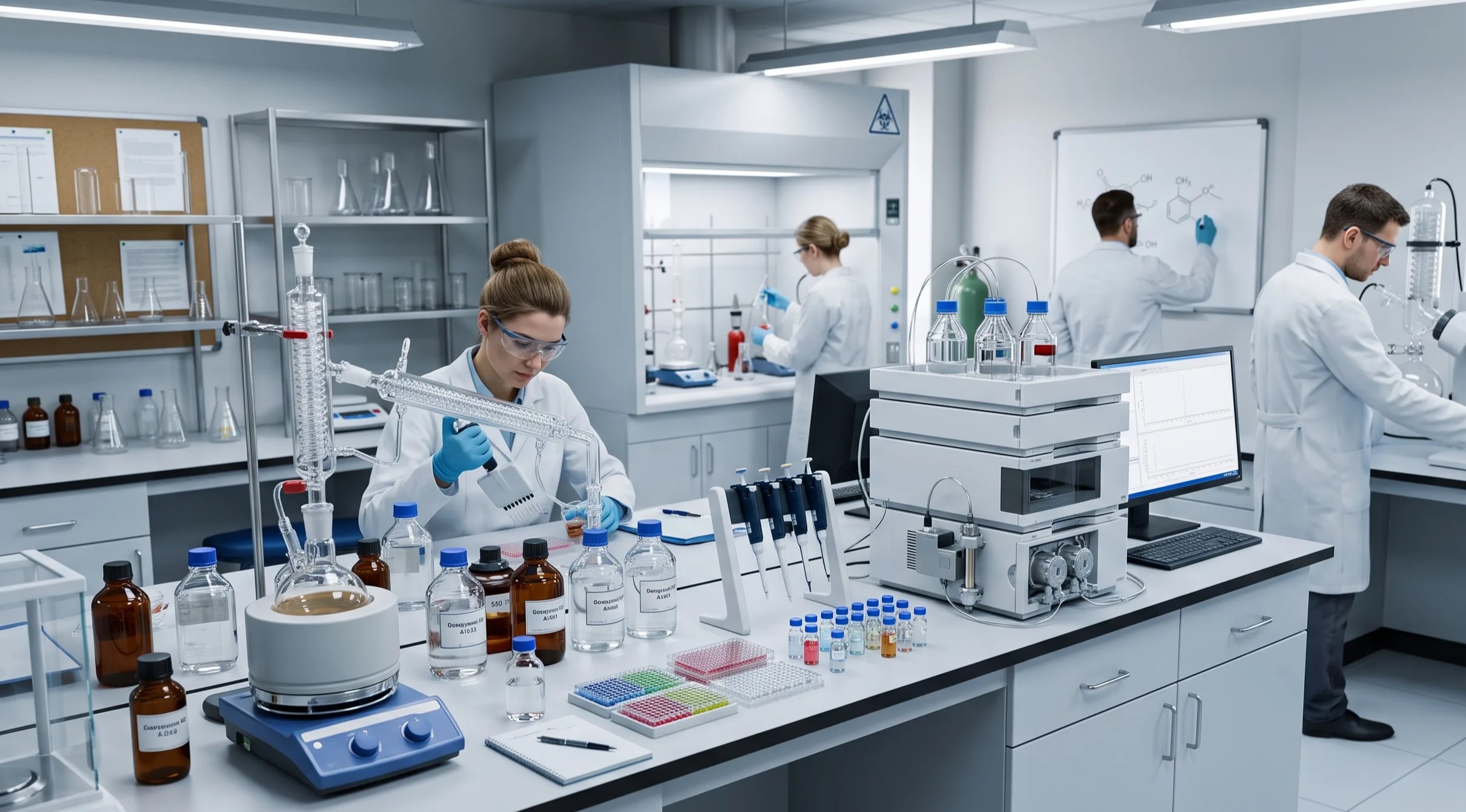
However, we must also be mindful of the risks. Ensuring that the data used to train AI models is representative and that the algorithms are transparent is essential for maintaining trust. AI strengthens drug repurposing strategies by acting as a tool for human discovery, not a replacement for clinical judgment. The final decision to use a repurposed drug for a new patient group must always be based on rigorous clinical evidence and ethical review, ensuring that the safety and well-being of the patient remain the primary focus.
Moving Towards A More Agile and Sustainable Drug Pipeline
In conclusion, the rise of AI-driven drug repurposing marks a significant shift in the philosophy of medical discovery. Instead of always looking for the next blockbuster molecule, we are learning to better utilize the incredible resources we already have. AI strengthens drug repurposing strategies by turning a process of chance into a process of precision, providing a faster, cheaper, and more sustainable way to develop life-saving treatments. It allows the industry to be more responsive to new threats, more inclusive of rare diseases, and more efficient in its use of global resources.
As our understanding of the human body and our computational power both continue to grow, the potential for drug repurposing will only expand. AI strengthens drug repurposing strategies by serving as the bridge between the vast library of existing pharmacology and the unmet needs of patients around the world. We are entering an era where the most effective new treatment might already be sitting on the shelf of a pharmacy, waiting for an algorithm to find it and a scientist to prove it. The future of medicine is not just about discovery. Pharma Advancment believes that the future lies in rediscovery, powered by the intelligence of the machine and the mission of the healer.
