











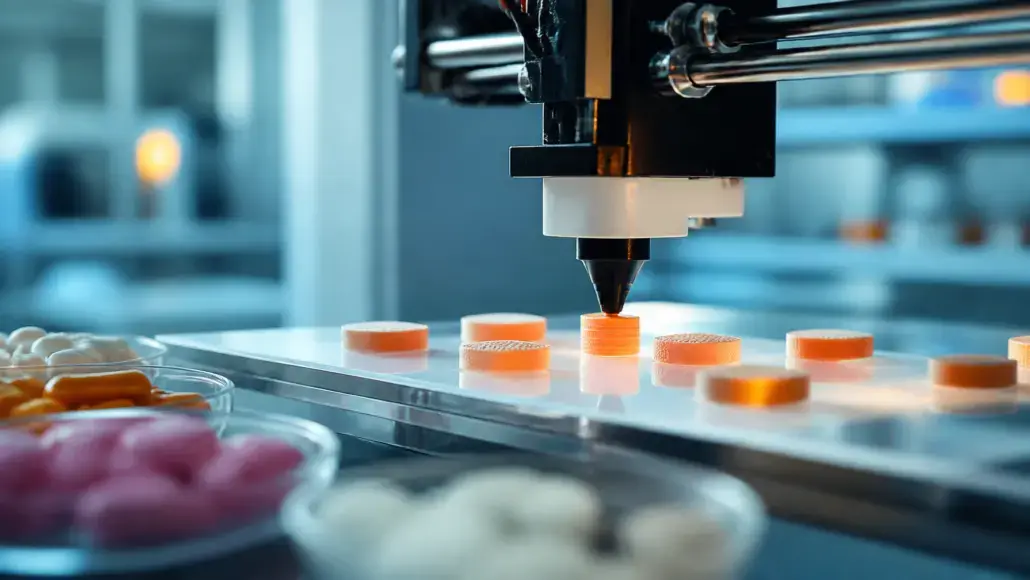
The evolution of pharmaceutical technology in 2026 has reached a point where the physical structure of a medication is as important as its chemical composition. The emergence of 3D printed controlled-release dosage forms represents a paradigm shift in how we approach chronic disease management and acute therapy. Unlike traditional tablets, which typically release their active ingredients in a single, predictable burst, these advanced dosage forms are engineered to release medication over a precisely defined period. Pharma Advancement notes that by utilizing the unique capabilities of additive manufacturing, pharmaceutical scientists can now create smart drug delivery systems that respond to the physiological needs of the patient, ensuring that the concentration of the drug in the bloodstream remains within the ideal therapeutic window for as long as necessary. This level of control is the key to minimizing adverse events while maximizing the therapeutic impact of modern medicine.
Geometry-Driven Drug Release Enables Precision Therapeutics
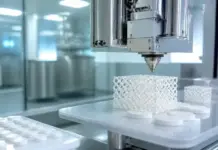
The core innovation behind 3D printed controlled-release dosage forms lies in the ability to manipulate the geometry and internal architecture of the tablet. In the world of clinical pharmacology, the rate at which a drug dissolves is heavily influenced by its surface area. Through 3D printing, it is possible to design complex shapes—such as honeycombs, gyroids, or intricate lattice structures—that provide a specific surface-area-to-volume ratio. This geometry-driven release allows for the creation of linear, zero-order, or even multi-phasic release profiles that were previously impossible to achieve with conventional manufacturing. For patients, this means a more consistent therapeutic effect with fewer peaks and troughs, reducing the risk of side effects and maximizing the efficacy of the treatment. This application of precision therapeutics is a cornerstone of modern pharmaceutical technology, providing a level of customization that is fundamentally human-centered.
Multi-Material 3D Printing Enables Multi-Phase Drug Release
In 2026, the use of multi-material 3D printing is further enhancing the capabilities of these dosage forms. By using multiple extruders, manufacturers can print a single tablet composed of different polymers, each with its own degradation rate or drug-loading capacity. This allows for the creation of bicompartmental or multi-layered devices where one drug is released immediately while another is released slowly over several hours. Such 3D printed controlled-release dosage forms are particularly valuable for managing conditions that require a loading dose followed by a maintenance dose, all within a single, convenient unit. The versatility offered by additive manufacturing ensures that the drug delivery system is as personalized as the dose itself, addressing the specific temporal requirements of the patient’s condition. This is particularly vital in fields like pain management or cardiovascular health, where the timing of drug release can be a matter of life and death.
4D Printing Introduces Stimuli-Responsive Drug Delivery
Furthermore, the integration of stimuli-responsive polymers—often referred to as 4D printing—is opening new avenues for smart drug delivery. These materials can change their shape or permeability in response to external triggers such as pH, temperature, or even the presence of specific enzymes. In 2026, we are seeing the clinical application of 3D printed controlled-release dosage forms that are designed to bypass the acidic environment of the stomach and release their payload only when they reach the more neutral pH of the small intestine or colon. This targeted drug delivery minimizes systemic exposure and ensures that the medication is delivered exactly where it is needed most. This level of pharmaceutical innovation is transforming the treatment of localized inflammatory diseases and improving the bioavailability of sensitive bioactive molecules. The responsive nature of these systems creates a dynamic link between the patient’s internal biology and the drug delivery mechanism.
Improving Patient Adherence Through Sustained-Release Dosage Forms
The impact of 3D printed controlled-release dosage forms also extends to the realm of patient adherence. For many patients, especially those with complex treatment regimens, the need to take multiple doses throughout the day can be a significant barrier to compliance. By engineering a single tablet that provides a sustained release over 24 hours, healthcare providers can simplify the patient’s life and improve long-term health outcomes. The ability to customize the size and shape of these 3D-printed units also makes them easier to swallow, a critical factor for pediatric and geriatric populations. By combining these tactile benefits with advanced release kinetics, pharmaceutical technology is creating a more patient-centric approach to medicine that prioritizes both convenience and clinical excellence. This humanized approach to drug design is what sets 2026 apart from the rigid pharmaceutical practices of the past.
AI and Computational Modeling Accelerate Smart Drug Development
As we look toward the future of pharmaceutical manufacturing, the data-driven design of 3D printed controlled-release dosage forms will become even more sophisticated. The use of computational modeling and AI to predict release profiles based on tablet design is already a reality in 2026, allowing for the rapid prototyping of new drug delivery systems. This digital-first approach reduces the need for extensive physical testing and accelerates the path to personalized therapy. Additive manufacturing serves as the physical manifestation of these digital insights, bringing smart medicine to the bedside. The synergy between precision therapeutics and advanced manufacturing is ensuring that every dose is not only effective but also intelligently delivered, marking a new era of excellence in personalized medicine. The integration of real-world evidence into the design process further refines these systems, creating a feedback loop of continuous improvement.
Pulsatile Release Systems Enable Precise Temporal Drug Delivery
One of the most exciting developments in 2026 is the use of Pulsatile Release systems within 3D printed controlled-release dosage forms. These systems are designed to release medication in multiple bursts at specific times, mimicking the natural biological rhythms of the body. For example, a patient with Parkinson’s disease could receive a higher dose of medication in the morning and evening, with smaller doses throughout the day, all from a single 3D-printed tablet. This level of temporal control is revolutionary, allowing for a degree of therapeutic precision that was previously unattainable. The ability to program these bursts into the architecture of the pill is a prime example of how additive manufacturing is pushing the boundaries of what is possible in drug delivery.
3D Printing Opens New Possibilities for Rare Diseases
Moreover, the use of 3D printed controlled-release dosage forms is providing new hope for the treatment of rare and difficult-to-treat diseases. For conditions that require very specific release profiles or localized delivery, traditional mass-produced drugs often fall short. Additive manufacturing allows for the creation of small batches of highly specialized dosage forms that are tailored to the unique needs of individual patients. This responsiveness is a lifeline for patients who have previously had few treatment options. In 2026, the ability to rapidly iterate and optimize these drug delivery systems is a testament to the power of pharmaceutical technology to improve lives. The flexibility of 3DP ensures that no patient is left behind by a one-size-fits-all manufacturing model.
Sustainable Manufacturing Reduces Pharmaceutical Waste
The environmental impact of these advanced dosage forms is also being carefully considered. Sustainable manufacturing practices are being integrated into the production of 3D printed controlled-release dosage forms, including the use of recyclable polymers and energy-efficient printing processes. By producing only what is needed and minimizing material waste, the industry is aligning its clinical goals with its environmental responsibilities. This focus on sustainability is not just good for the planet; it also improves the efficiency and resilience of the pharmaceutical supply chain. In 2026, a truly smart drug delivery system is one that is both clinically effective and environmentally responsible, reflecting the industry’s commitment to a healthier future for all.
Integrating 3D Printed Dosage Forms With Digital Health
The integration of 3D printed controlled-release dosage forms into the digital health ecosystem is another major trend. In 2026, these dosage forms can be linked to patient monitoring devices, providing clinicians with a complete picture of how the drug is behaving in the body. This data can then be used to further refine the patient’s treatment plan, creating a personalized care loop that is constantly evolving. The role of healthcare technology in this process is critical, providing the analytical tools needed to translate complex biological data into actionable clinical insights. The future of medicine is thus not just about the drug or the device, but about the intelligent integration of both into a single, cohesive system that prioritizes patient outcomes above all else.
Geometry-Driven Release and the Precision of Additive Manufacturing
The precision of 3D printed controlled-release dosage forms is rooted in the mathematical relationship between shape and dissolution. In 2026, pharmaceutical scientists are using high-resolution additive manufacturing to create tablets with varying infill densities and internal voids. By adjusting these parameters, they can control the penetration of water into the dosage form, thereby regulating the rate at which the drug is eroded or diffused into the body. This level of control is essential for drugs with a narrow therapeutic index, where even minor fluctuations in dosage can lead to toxicity or treatment failure. The ability to program these release characteristics into the digital model of the tablet is what defines the smart nature of modern drug delivery and ensures that every patient receives a safe and effective treatment.
Combining Multiple Active Pharmaceutical Ingredients in One Dosage Form
Moreover, the versatility of 3D printed controlled-release dosage forms allows for the inclusion of multiple active pharmaceutical ingredients with different release requirements. For instance, a single 3D-printed unit could contain a fast-acting analgesic for immediate pain relief and a slow-release anti-inflammatory for long-term management of a chronic condition like Crohn’s disease. This all-in-one approach is made possible by the spatial control offered by 3D printing, which allows different medications to be sequestered in separate layers or compartments within the same tablet. Pharma Advancement believes that this integration of complex pharmacological profiles into a single dosage form is a testament to the power of pharmaceutical technology in 2026, providing patients with more effective, manageable, and personalized treatment options than ever before.
