










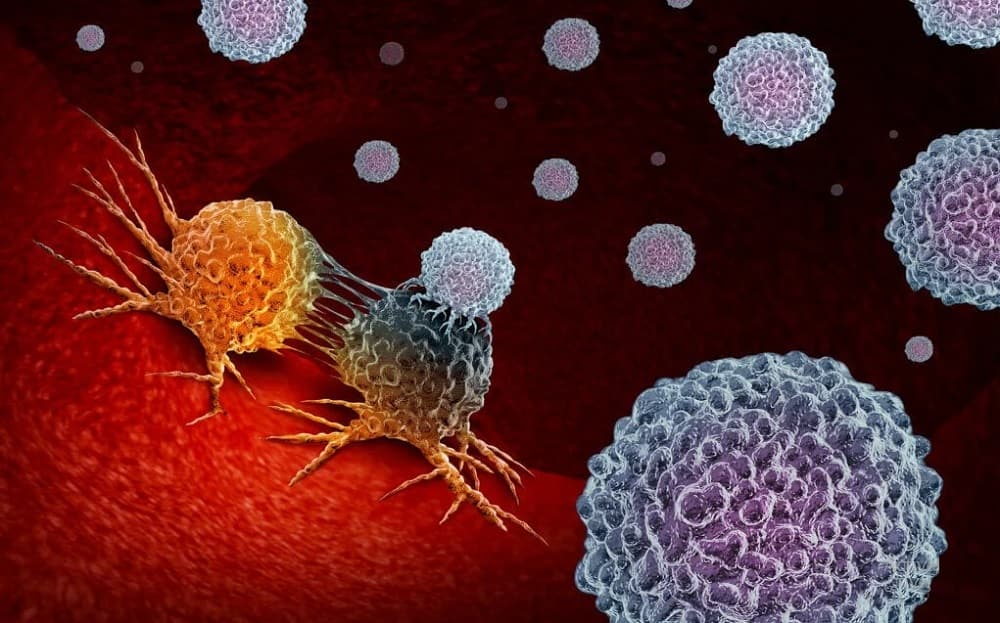
The introduction of bacteria to a tumor’s microenvironment goes on to create the possibility of acute inflammation, which further triggers the immune system’s primary responder cells to attack rather than just protect the tumor, as per the researchers at the Garvan Institute of Medical Research.
Neutrophils, the first responder cells, happen to be white blood cells that play a key role in the defense when it comes to infection. Although these mostly protect against the disease, they are also notorious when it comes to promoting tumor growth. Their high levels are usually found in the blood and are typically associated with poorer outcomes when it comes to cancer, in part since they go on to develop molecules that act as tumor shields by way of suppressing the other immune system elements.
Dr. Tatyana Chtanova, who happens to be heading the Innate and Tumor Immunology Lab at Garvan, found that injecting an inactivated staphylococcus aureus microbe into the tumor reverses the protective activity, thereby stimulating the neutrophils to destroy the tumor. This is in the range of animal cancer models that also include Lewis lung carcinoma, melanoma, pancreatic cancer, and triple-negative breast cancer.
Making use of the immune system to fight cancer has been one of the biggest breakthroughs in cancer therapy in the last 20 years; however, immunotherapy, when it comes to elevating T cell function, does not work for all kinds of cancer.
As per Chtanova, they went ahead with the usage of varied immunotherapy that targets neutrophils so as to understand how the outcomes get affected by the generation of acute infection in the immunosuppressive tumor microenvironment.
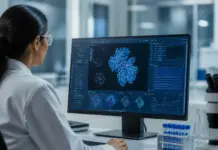
The team made use of intravital imaging in the animal studies in order to see inside the tumors in real time. As thwarting bacteria is the main cause of the existence of neutrophils, Chtanova said that they had a good inkling that the introduction of bacteria would lead to neutrophils at the site as well as activate them. They explored the fact that it is indeed very effective when it comes to killing the tumors and chewing up the matrix.
The study, which found a place in the Cancer Research journal, demonstrates that the neutrophils also alter at the gene expression level, and they begin to secrete molecules that go on to attract the fighter T cells as reinforcements. Dr. Andrew Yam, who happens to be the clinical medical oncologist and a PhD at Garvan, stated that they have shown the microbial therapy happens to be an effective booster in checkpoint inhibitor therapy, which is another immunotherapy cancer type. They hope that this synergistic effect will lead to better treatments to enhance patient outcomes with advanced as well as previously untreatable cancers.
The research focused on primary tumors. In the next three to five years, the research team hopes to create a therapy to fight metastasis, which happens to be the spread of the cancer to other body parts. Clinical trials for the same are coming up.
