











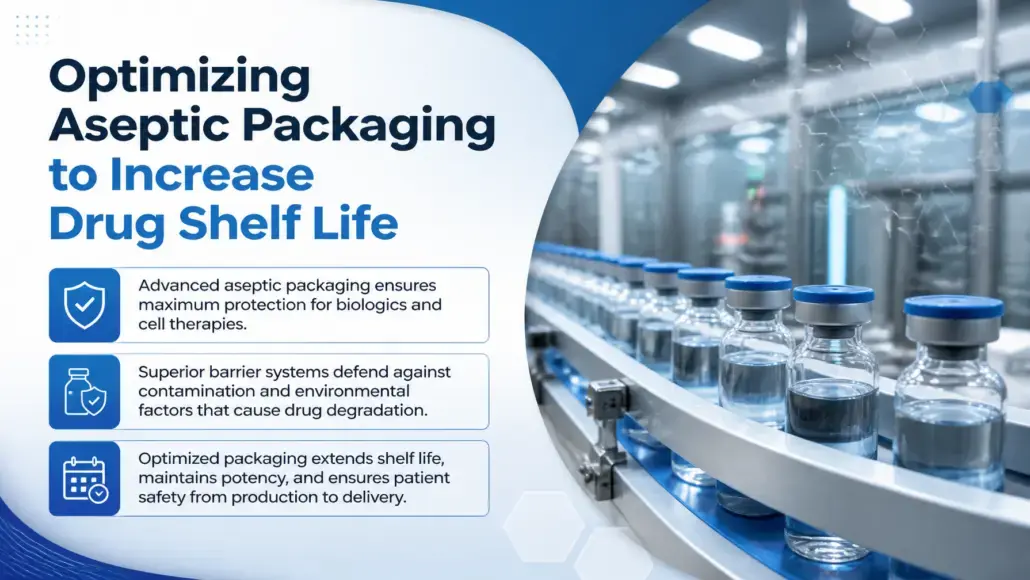
Pharmaceutical manufacturers are increasingly shifting toward advanced biologics and cell therapies that require unprecedented levels of environmental control. Pharma Advancement observes that this transition has placed a significant burden on traditional containment methods, forcing a rapid evolution in how sterile products are protected from degradation.
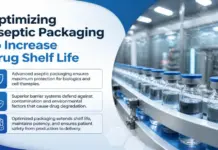
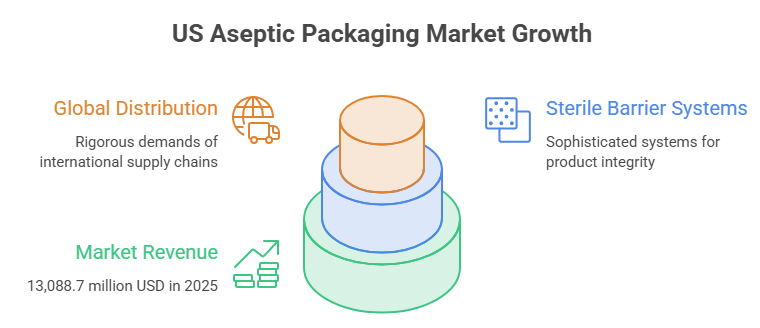
As the global medical packaging market climbs toward an expected value of 95.1 billion USD by the end of 2026, the focus has narrowed specifically on aseptic drug packaging optimization as a primary driver for extending product longevity. The ability to maintain sterility while preventing the ingress of moisture or oxygen is no longer just a regulatory hurdle. It is a fundamental commercial necessity for modern drug stability.
Material Science and Formulation Sensitivity
The complexity of contemporary pharmaceutical formulations means that many active ingredients are highly sensitive to even minor environmental fluctuations. Biologics, for example, often consist of large and fragile molecules that can denature if exposed to trace amounts of oxygen or light.
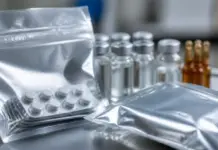
Effective aseptic drug packaging optimization involves a multi layered approach that combines material science with precise manufacturing execution. Manufacturers are moving away from standard glass vials in favor of advanced polymer solutions and specialized coated glass to minimize leaching and maximize the protective barrier. These innovations directly impact the duration for which a drug remains efficacious, potentially extending shelf life by months or even years.
Rising Market Demand and Distribution Challenges
Industry Leaders Driving Barrier Innovations
Low-Temperature Sterilization Advances
The role of sterilization technology is also changing within the context of aseptic drug packaging optimization. Traditionally, heat based sterilization was the standard, but many new drugs are heat sensitive. This has led to the adoption of low temperature sterilization methods such as vaporized hydrogen peroxide or electron beam sterilization. These methods allow for the use of more diverse materials, including plastics that might otherwise warp under high heat.
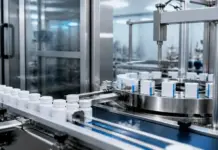
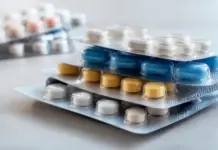
By selecting the right sterilization method in conjunction with compatible materials, manufacturers can ensure that every container contributes to the overall success of high speed tablet counting and packaging systems reduce downtime by providing a uniform surface for automated sensors.
Precision Manufacturing to Minimize Loss
Active and Smart Packaging Solutions
Market Shifts Toward High-Barrier Technologies
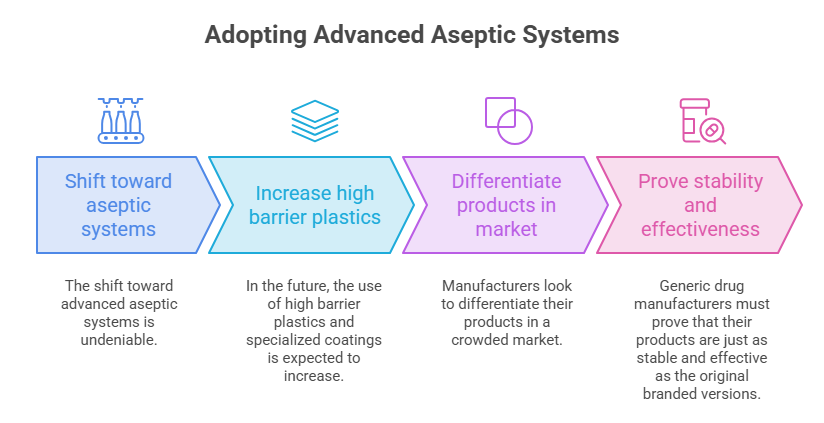
Market analysts have noted that conventional packaging still represents a significant portion of the market, but the shift toward advanced aseptic systems is undeniable. By 2026, the use of high barrier plastics and specialized coatings is expected to increase as manufacturers look to differentiate their products in a crowded market. This is particularly true for generic drug manufacturers who must prove that their products are just as stable and effective as the original branded versions.
Container Design and Pre-Filled Syringes
Beyond the materials themselves, the design of the container also plays a role in shelf life. The transition to pre filled syringes has been a major trend in recent years. These devices eliminate the need for the clinician to transfer the drug from a vial to a syringe, which reduces the risk of contamination.
Companies like Stevanato Group are expanding their drug delivery systems capacity in late 2025 to meet the growing demand for these pre filled solutions. Their collaboration with Transcoject to provide validated Luer Lock pre filled syringes is a clear example of how industry partnerships are driving innovation in aseptic delivery.
Holistic Packaging Ecosystems for Patient Safety
References
- “Medical Packaging Market Value Analysis” – Future Market Insights
- “The United States Aseptic Packaging Market Outlook, 2033” – Grand View Research
- “Medical & Pharmaceutical Packaging News” – Amcor
- “Amcor to showcase responsible and patient-centric packaging” – Amcor
- “High Quality Pharmaceutical Packaging Solutions” – Gerresheimer
- “Stevanato Group Expands Drug Delivery Systems Capacity” – Stevanato Group
- “Aseptic packaging market to value $35bn by 2033” – European Pharmaceutical Review
