








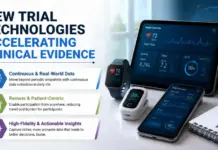













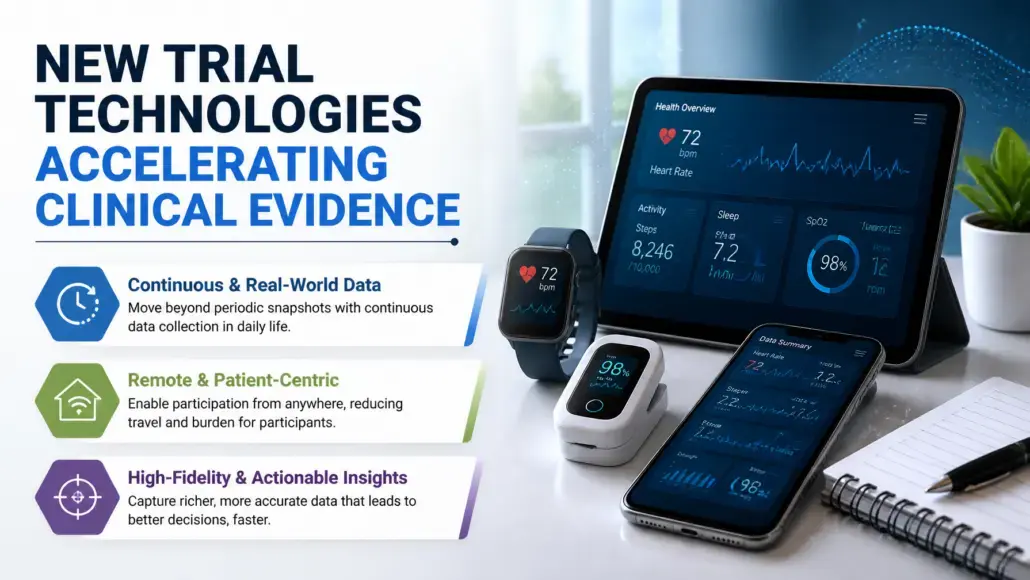
The traditional methods of gathering clinical evidence have often been criticized for being slow and burdensome and disconnected from the daily lives of patients. In a conventional trial participants must travel to centralized clinics for periodic assessments which only provide a snapshot of their health at a specific moment in time. However the emergence of new clinical evidence generation technology is transforming this paradigm by enabling continuous and remote and high fidelity data collection. These advanced tools allow researchers to capture a more comprehensive and accurate picture of how a drug affects a patient in their natural environment. This shift is not only accelerating the development of new therapies but also improving the quality and relevance of the evidence used for regulatory decision making.
Pharma Advancement notes that at the center of this technological revolution is the use of wearable sensors and mobile health devices. When clinical evidence generation technology is integrated into a study it allows for the monitoring of physiological parameters such as heart rate and sleep patterns and physical activity in real time. Unlike clinic based tests which can be influenced by the stress of the medical environment or the white coat effect these digital tools provide objective data that reflects the true experience of the patient. This high resolution data is particularly valuable for characterizing the impact of treatments for chronic conditions where subtle changes in daily function can be more meaningful than occasional lab tests.
Digital Biomarkers and Decentralized Trial Expansion
The development of digital biomarkers is another groundbreaking application of these technologies. By using advanced algorithms to analyze data from sensors and voice recordings and even smartphone usage patterns researchers can identify new indicators of disease progression and treatment response. For example a change in gait speed as measured by a smartphone accelerometer could serve as an early warning sign of worsening Parkinson disease. Through clinical evidence generation technology these digital biomarkers provide a more sensitive and objective way to measure efficacy and safety. This allows for smaller and shorter trials that can still provide the robust evidence needed for regulatory approval.
Decentralized clinical trials or DCTs represent a significant structural shift enabled by these new technologies. By conducting studies remotely researchers can reach a much broader and more diverse patient population than was previously possible. Clinical evidence generation technology supports this model by providing the tools needed for remote screening and consent and monitoring. Patients can participate in research from the comfort of their own homes which reduces the burden of travel and increases the likelihood of trial completion. This inclusivity not only improves the generalizability of the trial results but also ensures that the benefits of medical research are available to everyone regardless of their geographic location.
Enhancing Data Accuracy and Real Time Insights
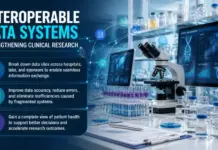
The quality of the evidence generated in a trial is directly dependent on the accuracy and timeliness of the data collection process. Manual data entry is inherently prone to errors and delays which can compromise the integrity of the study results. Clinical evidence generation technology addresses these issues by automating the capture and transmission of data. When information is recorded directly by a device and uploaded to a central database the risk of transcription errors is eliminated. This real time data flow also allows study teams to identify and address issues as they arise rather than waiting for a scheduled site visit or a periodic data review.
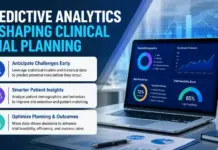
Furthermore the ability to monitor patient safety in real time is a major ethical and practical advantage. Through clinical evidence generation technology researchers can set up automated alerts that trigger when a participant physiological data falls outside of a pre defined range. This allows for immediate intervention and can prevent serious adverse events from occurring. The level of oversight provided by these tools is far superior to traditional methods and provides a higher level of protection for the individuals involved in the study. The safety of the patient is always the top priority and technology is providing new ways to ensure it.
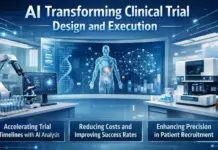
The analysis of large and complex datasets is also being transformed by advanced analytical tools. The volume of data generated by wearable devices and continuous monitoring systems is far beyond what can be analyzed using traditional statistical methods. Clinical evidence generation technology leverages the power of machine learning and artificial intelligence to identify patterns and correlations in these massive datasets. This allows researchers to gain new insights into the mechanisms of drug action and the factors that influence patient response. The ability to turn raw data into actionable evidence is the key to accelerating the drug development process.
Driving Efficiency and Reducing Time to Market
The ultimate goal of adopting these new technologies is to bring life saving treatments to market faster and more efficiently. Every day a drug is delayed from reaching patients represents a significant cost in terms of human health and financial resources. Clinical evidence generation technology streamlines every phase of the research process from patient recruitment to final analysis. By reducing the need for clinic visits and manual data management these tools allow for faster enrollment and shorter trial durations. The efficiency gains provided by these technologies are essential for managing the increasing costs and complexities of modern drug development.
Moreover the transparency and reliability of the evidence generated through these digital tools build greater confidence among regulators and other stakeholders. When a regulatory submission is backed by a robust and high fidelity dataset the review process can be more efficient and predictable. Clinical evidence generation technology provides the objective evidence needed to demonstrate the safety and efficacy of new therapies with a high degree of certainty. This clarity is essential for making informed decisions about which treatments should be made available to the public. The future of healthcare depends on our ability to generate and interpret evidence quickly and accurately.
The Road Ahead for Digital Clinical Trials
In conclusion the impact of clinical evidence generation technology on the pharmaceutical industry is profound and far reaching. By enabling continuous and remote and objective data collection these tools are improving the quality and speed of clinical research. The transition from traditional clinic based trials to more flexible and data intensive models is a vital step in the evolution of medicine. As these technologies continue to evolve we can expect to see even greater improvements in how we discover and test new medicines. The path to a more efficient and patient centric research ecosystem is clear and it is powered by the innovation of evidence generation technology.
Pharma Advancement believes that the successful integration of these tools will require a collaborative effort between technology providers and pharmaceutical companies and regulatory agencies. We must work together to ensure that these technologies are used in a way that is ethical and secure and scientifically sound. The reward for this effort is a healthcare system that can deliver the benefits of innovation to patients faster than ever before. The era of the digital clinical trial is here and its potential to improve human health is limitless. The commitment to technology is a commitment to the future of medicine.
