





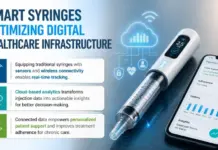






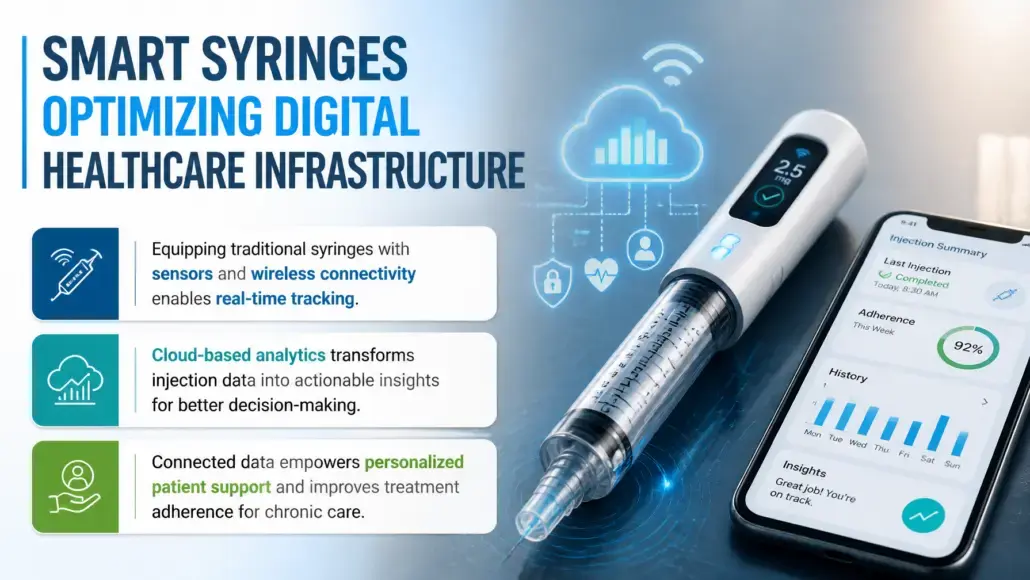
The digitalization of healthcare has reached the palm of the patient’s hand. As chronic diseases such as diabetes and autoimmune disorders require frequent self-administration of medication, the need for accurate tracking and patient support has never been greater. Building digital infrastructure for smart syringes is the foundation for this new era of connected care. Pharma Advancement notes that by integrating sensors, wireless communication, and cloud-based analytics into traditional injection devices, the industry is creating a system that can monitor adherence and improve clinical outcomes in real time.
A smart syringe is more than just a delivery tool. It is a data-generating device that fits into a larger ecosystem of digital health. The infrastructure required to support these devices includes low-power electronics, secure data transmission protocols, and interoperable software platforms that can communicate with electronic health records. This connectivity allows healthcare providers to see exactly when and how a patient is taking their medication, enabling more personalized interventions and better disease management.
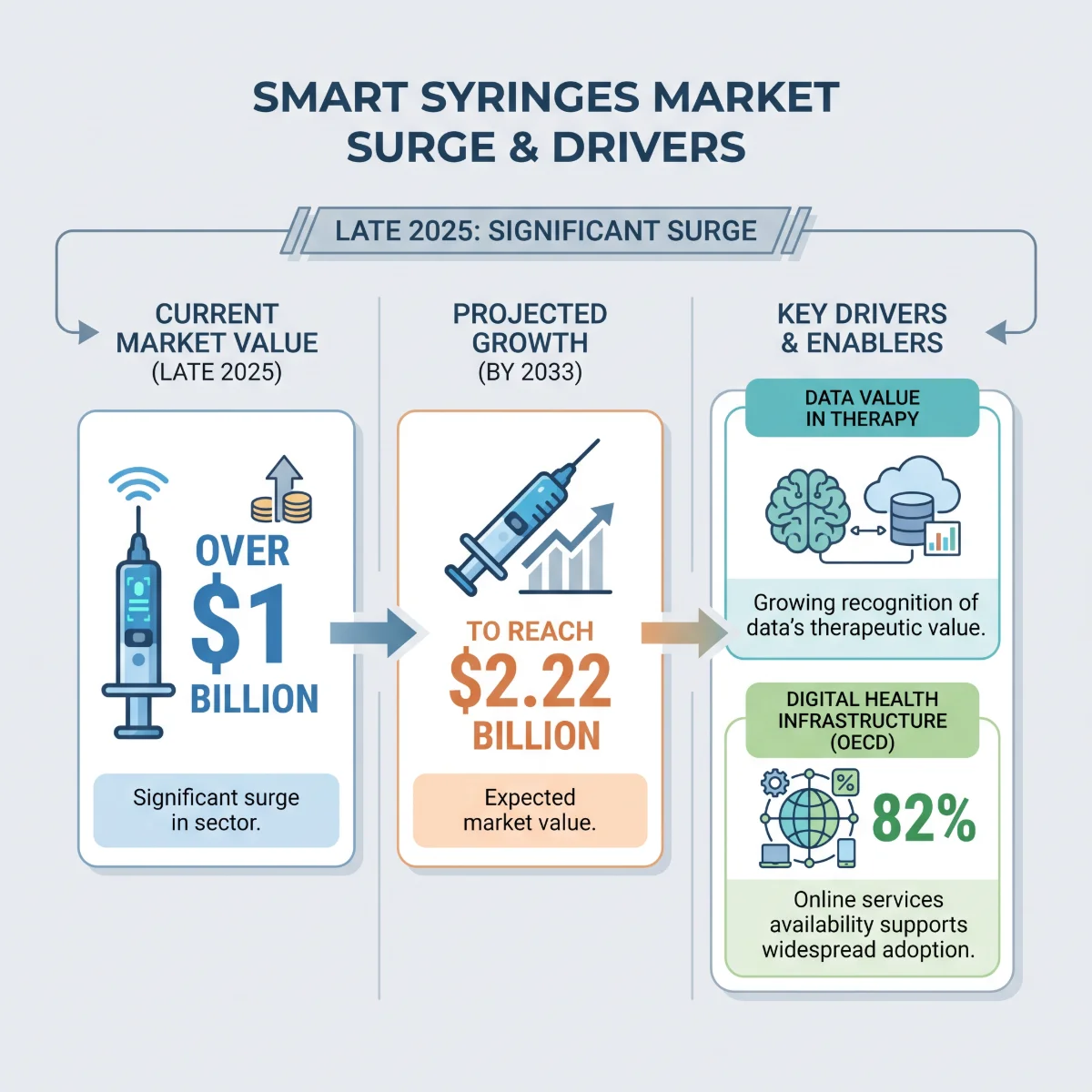
Market figures from late 2025 indicate a significant surge in this sector. The smart syringes market is valued at over 1 billion dollars and is expected to reach 2.22 billion dollars by 2033. These statistics reflect a growing recognition of the value that data brings to the therapeutic process. With the availability of online digital health services reaching 82 percent in OECD countries, the infrastructure is already in place to support the widespread adoption of these connected devices.
Connectivity Architectures and Sensor Integration
The core of a smart syringe system is the hardware that detects the injection event. Engineers use several different architectures to achieve this. Passive NFC tags are often used for authentication and anti-counterfeiting. These tags can be integrated into the label of the syringe and read by a smartphone to verify that the drug is genuine and within its expiry date. For more advanced tracking, Bluetooth Low Energy and secure microcontrollers are used to log the exact time and dose of every injection.
Clip-on sensors represent another important approach. These devices, such as the Biocorp corpak, can be attached to existing insulin pens or autoinjectors to detect actuation without modifying the primary container. This is a significant advantage for pharmaceutical companies, as it allows them to add connectivity to their products without the need for extensive redesign or re-validation of the drug-device combination. These sensors can transmit data to a companion app, providing the patient with reminders and feedback on their injection technique.
Ypsomed has seen a 21 percent growth in its core business during the 2025 fiscal year, driven by a record number of customer project wins for its connected device platforms. The company recently launched its YpsoLoop and YpsoMate platforms, which are designed to support large-volume biologic self-injections. By acquiring Sidekick for digital therapy support, Ypsomed is building a complete digital infrastructure that goes beyond the device itself to provide comprehensive patient care.
Data Integrity and Cybersecurity Challenges
As medical devices become more connected, the security of the data they generate becomes a paramount concern:
- End-to-End Transmission Security: Connected syringes require built-in hardware secure elements and robust authentication protocols to encrypt and protect cloud-transmitted data from unauthorized access, making cybersecurity a foundational design requirement.
- Clinical Data Integrity and Regulatory Compliance: To support safe medical decision-making, systems must use tamper-proof logs and audit trails to guarantee data accuracy, meeting stringent FDA and European Medicines Agency standards necessary for market approval.
Medtronic recently received FDA clearance for its new InPen app in late 2024, which enables a smart multidose injection system. This system can recommend correction doses for missed or inaccurate insulin injections, a capability that relies on the highest levels of data accuracy and security. In early 2026, the company also received 510(k) clearance for its MiniMed Go app, which works with reusable smart pens. These developments show how a robust digital infrastructure can enable more advanced clinical features.
The Role of Companion Apps and Cloud Platforms
The companion app is the primary interface between the patient and the smart syringe. It must be designed to be easy to use and to provide meaningful insights without overwhelming the user. Many apps now include gamification elements or social support features to encourage adherence. Behind the app, a cloud platform manages the data and provides the analytics needed to identify trends and potential issues.
Interoperability is a key goal for these platforms. Patients often use multiple devices from different manufacturers, such as a smart pen and a continuous glucose monitor. The digital infrastructure must be able to integrate data from all these sources to provide a complete picture of the patient’s health. This requires the use of standardized data formats and open APIs. By creating an open ecosystem, the industry can ensure that patients and providers have access to the information they need, regardless of which devices they are using.
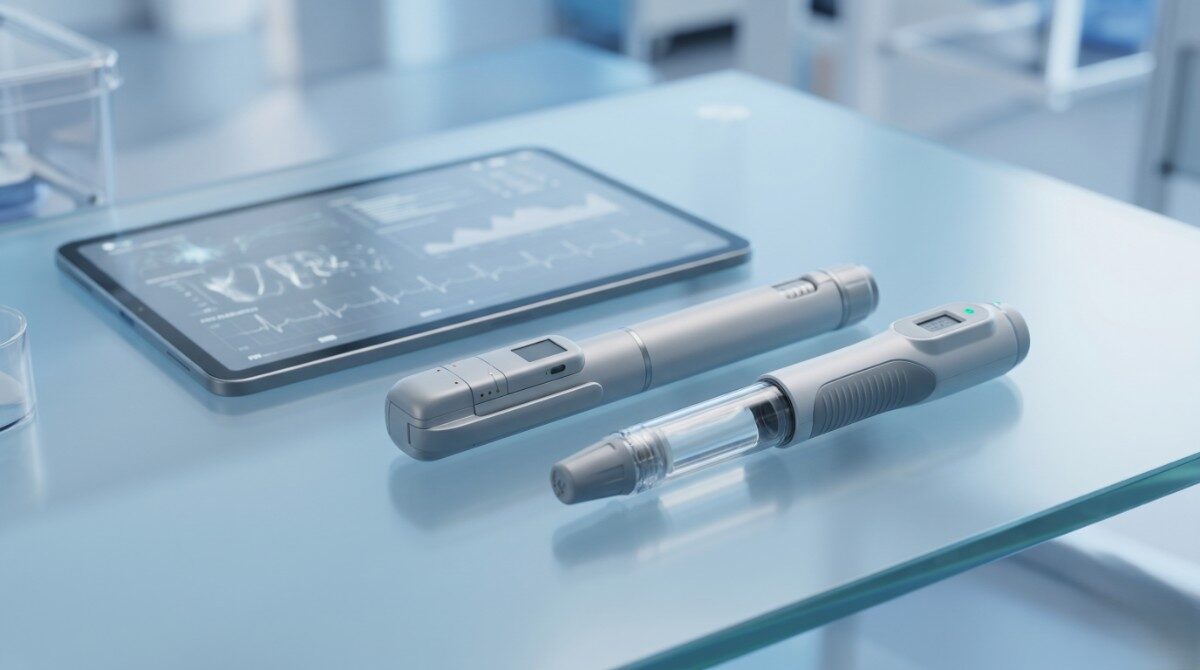
Novo Nordisk completed its buyout of Biocorp in late 2025, fully integrating the corpak sensor technology into its connected care ecosystem. This move allows the company to provide a unified digital experience for patients using its GLP-1 and insulin products. By joining the White House TrumpRx partnership for GLP-1 distribution, the company is also looking at how digital infrastructure can help manage the supply and distribution of these high-demand medications.
Future Opportunities in Connected Injectables
Looking toward 2030, the role of artificial intelligence in the smart syringe ecosystem will likely expand. AI algorithms could be used to predict which patients are at risk of becoming non-adherent and to suggest personalized interventions before a problem occurs. Furthermore, the integration of real-time biomarker sensing could allow for truly autonomous drug delivery, where the device adjusts the dose based on the patient’s immediate needs.
The expansion of 5G and IoT networks will also provide more reliable and widespread connectivity for these devices. This will be particularly important in rural areas or for patients who do not have consistent access to high-speed internet. As the digital infrastructure becomes more robust, the potential for connected syringes to transform the management of chronic diseases will only increase.
Finally, the industry is looking at how smart syringes can support clinical trials. By providing accurate and objective data on patient adherence, these devices can reduce the variability of trial results and help bring new drugs to market more quickly. The digital infrastructure being built today is not just for the patients of today. Pharma Advancement is of the opinion that it is a vital tool for the researchers of tomorrow who are working to create the next generation of life-saving therapies.
References
- “Smart Syringes Market Size and Growth Forecast” – Grand View Research
- “Medical Device Connectivity Market Analysis” – Fortune Business Insights
- “OECD Health at a Glance 2025 Report” – OECD
- “Ypsomed Fiscal Year 2025 Financial Results” – Ypsomed
- “Medtronic InPen and MiniMed Go App Clearances” – Medtronic
- “Novo Nordisk and Biocorp Integration Update” – Novo Nordisk
- “Philips Connected Care and Medication Management” – Philips
- “IoMT Market Outlook and Digital Infrastructure” – Industry Reports
- “FDA 510(k) Cybersecurity Guidelines for Medical Devices” – U.S. Food and Drug Administration
- “Schreiner MediPharm Smart Labeling Technology” – Schreiner MediPharm
