

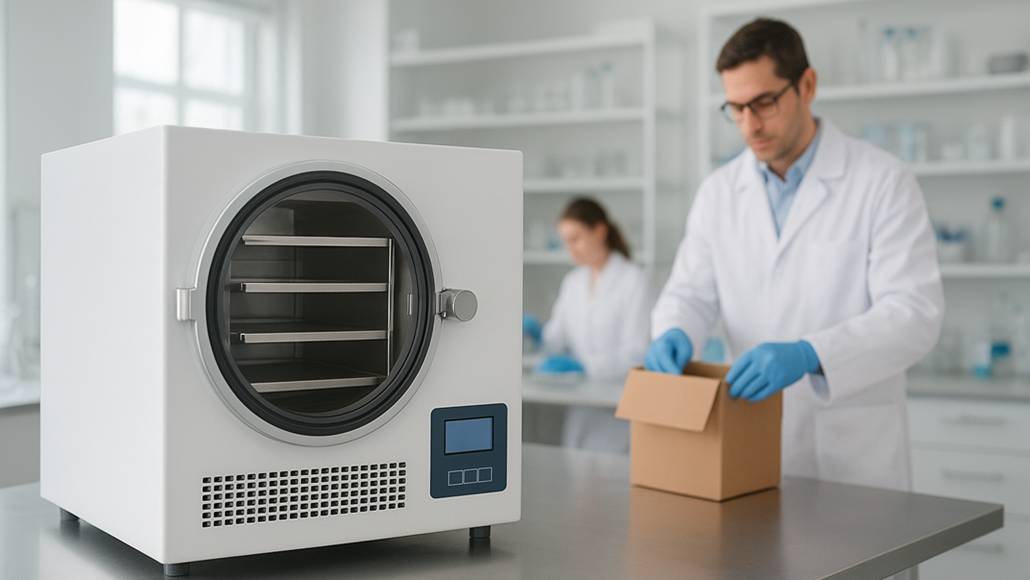

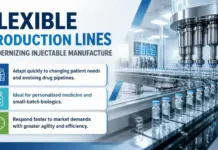


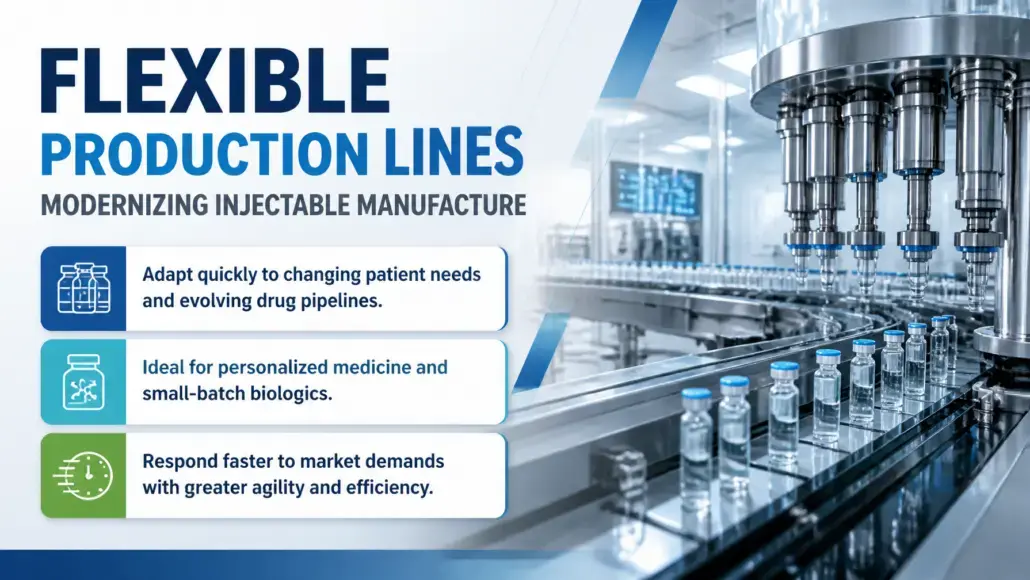
The pharmaceutical industry is moving away from the era of single-product mega-factories. Today, the ability to adapt to changing patient needs and evolving drug pipelines is a critical competitive advantage. Flexible production lines have emerged as the preferred strategy for both established pharmaceutical giants and agile contract development and manufacturing organizations. Pharma Advancement observes that this shift is driven by the rise of personalized medicine, the growth of small-batch biologics, and the need to respond rapidly to global health crises.
A truly flexible production line must be able to handle a wide range of product types and container formats with minimal downtime. Traditionally, a changeover between two different products could take several days or even weeks due to the extensive cleaning and validation requirements. Modern designs utilize single-use technologies and modular equipment to reduce this time to a matter of hours. This capability allows manufacturers to maximize their facility utilization and reduce the cost per dose.
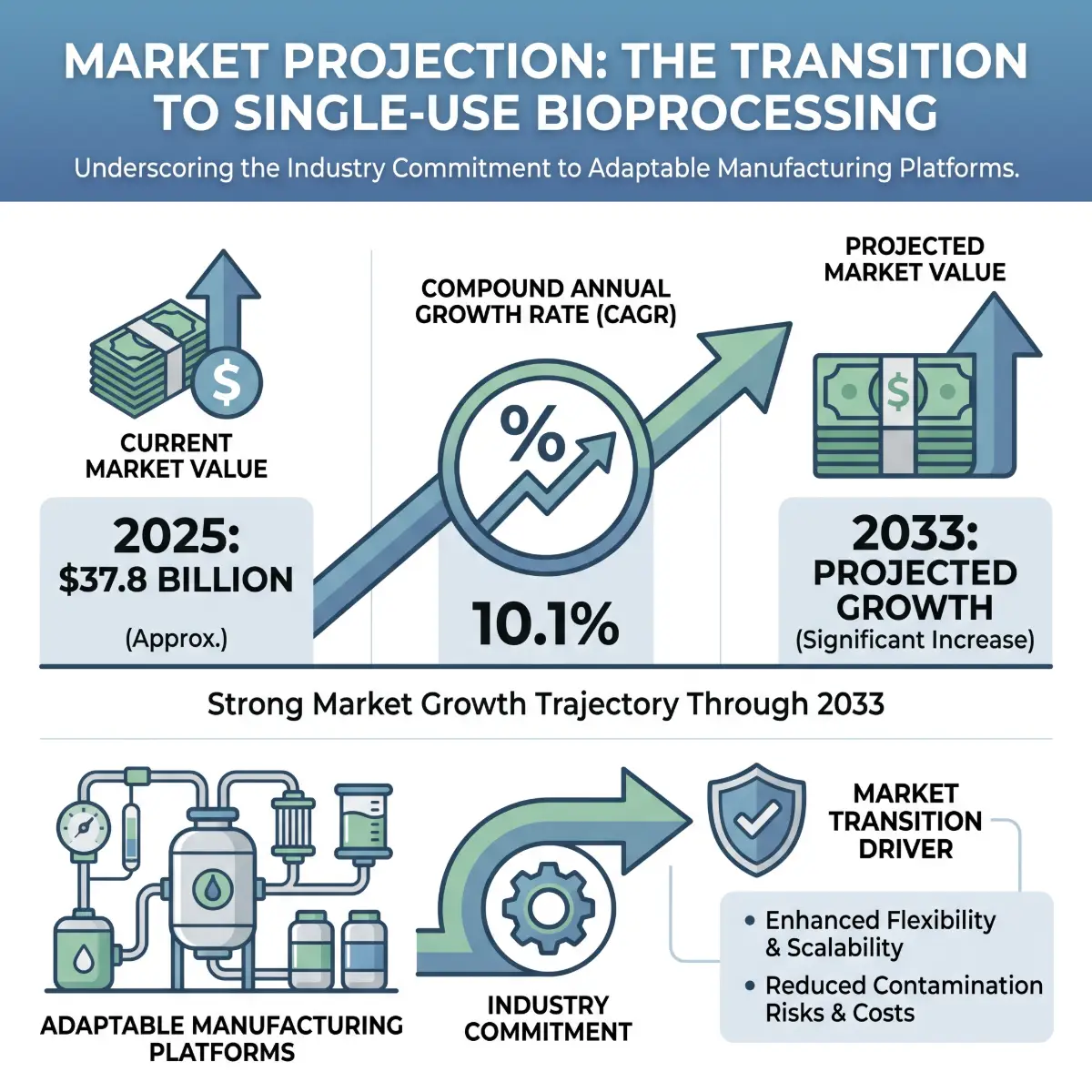
Market projections underscore the importance of this transition. The single-use bioprocessing market is valued at approximately 37.8 billion dollars in 2025 and is expected to grow at a compound annual rate of 10.1 percent through 2033. This growth is a direct result of the industry commitment to more adaptable manufacturing platforms.
The Role of Single Use Technology in Flexibility
Single-use components are the cornerstone of flexible production line. By using disposable fluid paths, bags, and filters, manufacturers can eliminate the need for complex clean-in-place and steam-in-place systems. This not only reduces the risk of cross-contamination but also significantly lowers the initial capital expenditure for a new facility. Single-use systems are particularly valuable for high-potency drugs and biologics where cleaning validation is exceptionally challenging.
The adoption of these technologies is also supported by recent regulatory updates. The EU GMP Annex 1 guidelines explicitly recognize the value of closed, single-use systems in maintaining sterility. By operating within a closed environment, manufacturers can reduce the reliance on traditional cleanroom classifications and focus their resources on the critical processing zones. This approach aligns with the broader industry move toward a Contamination Control Strategy that is based on risk management and technological barrier solutions.
Sartorius has reported a return to profitable growth in 2025, driven in part by its expansion into sustainable single-use manufacturing in Germany and Tunisia. The company has also partnered with University College London to accelerate the manufacturing of CAR-T cell therapies. These treatments are often produced in very small batches, making them a perfect candidate for flexible, single-use production lines.
Modular Manufacturing and Robotic Integration
Modular manufacturing platforms allow companies to scale their capacity up or down as needed. These systems consist of pre-validated skids that can be easily connected to create a customized production line. If a particular product requires an additional filtration step or a specific type of filling needle, the corresponding module can be swapped in without redesigning the entire system. This plug-and-play approach is essential for handling the diverse pipelines of modern biopharma companies.
Robotics also plays a vital role in enhancing flexibility. Unlike traditional dedicated machinery, robotic arms can be programmed to handle different container shapes and sizes. A single robotic station can be used to fill vials in the morning and syringes in the afternoon. This versatility is further enhanced by the use of High Precision Molding for Injectable Device Parts, which ensures that every component is consistent and compatible with high-speed automated systems.
Cytiva has continued to expand its global capacity for single-use consumables and regularly publishes the Global Biopharma Resilience Index. This index highlights the critical need for flexible manufacturing to ensure the continuity of the drug supply chain. By investing in modular platforms like the FlexFactory, Cytiva is helping manufacturers build facilities that can adapt to the unpredictable nature of the pharmaceutical market.
Overcoming Technical Challenges in Flexible Lines
While the benefits of flexibility are clear, designing these lines involves significant technical hurdles:
- Extractables and Leachables in Single-Use Films: Managing the risk of polymer films reacting with drug products requires rigorous material qualification, extensive safety testing, and close collaboration with suppliers to guarantee product quality.
- Electronic Batch Record Management: Handling batch records across multiple products and formats necessitates a robust digital infrastructure to track components and processes in real time, increasingly supported by digital twins to simulate workflows and match hardware flexibility.
Merck KGaA, through its life science business MilliporeSigma, opened a 25 million euro testing facility in Darmstadt in late 2025. This facility is focused on providing the analytical services needed to qualify flexible production lines and ensure regulatory compliance. The company also reached an agreement to acquire Bio-Techne for over 11 billion dollars, a move that significantly expands its portfolio of life science tools and consumables.
Enhancing Efficiency Through Rapid Changeovers
The economic viability of a flexible facility depends on its ability to minimize the time between production runs. This is often achieved through a combination of technological solutions and operational excellence. Standardized connectors and automated integrity testing for single-use assemblies can save hours of manual labor. Furthermore, the use of ready-to-use containers eliminates the need for on-site washing and sterilization, further streamlining the process.
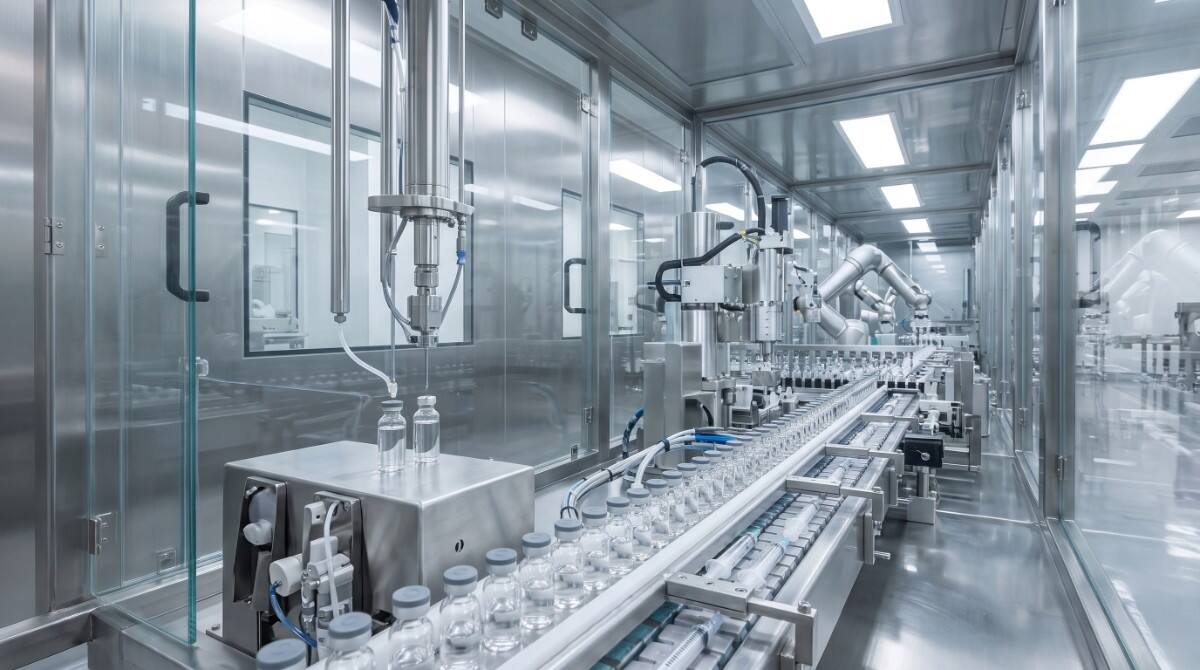
Syntegon has seen double-digit growth in its pharmaceutical business in 2025, fueled by the demand for its latest aseptic filling technologies. Their systems are designed to handle both small clinical batches and large commercial runs on the same platform. By providing a seamless transition between different stages of drug development, these machines help companies bring new therapies to market more quickly.
Future Directions for Flexible Injectable Facilities
Looking ahead, the integration of real-time release testing and advanced process analytical technology will further enhance the flexibility of injectable lines. By monitoring the quality of the product throughout the production process, manufacturers can potentially eliminate the need for time-consuming end-product testing. This would allow for a much faster release of the drug to the market, which is particularly important for life-saving therapies with short shelf lives.
Sustainability is also becoming a key consideration in the design of flexible facilities. While single-use technology generates more plastic waste than traditional systems, it also uses significantly less water and energy by eliminating the need for sterilization. Companies are now looking for ways to recycle single-use components or to use bio-based polymers that have a lower environmental footprint. This balanced approach to innovation is essential for the long-term viability of the industry.
The transition to flexible production line is not just a technical upgrade. It is a fundamental shift in the way we think about pharmaceutical manufacturing. By embracing modularity, robotics, and single-use systems, the industry is creating a more resilient and responsive healthcare system. As we move toward 2030, Pharma Advancement believes that these flexible lines will be at the heart of our efforts to provide high-quality medicine to a global population.
References
- “Single-Use Bioprocessing Market Analysis” – Grand View Research
- “Sterile Injectables CDMO Market Report” – Mordor Intelligence
- “Biopharma Processing Equipment and Consumables Forecast” – DelveInsight
- “Sartorius Fiscal Year 2025 Financial Review” – Sartorius
- “Cytiva Global Biopharma Resilience Index” – Cytiva
- “MilliporeSigma Testing Facility Announcement” – Merck KGaA
- “Syntegon Pharma Business Growth Update” – Syntegon
- “EU GMP Annex 1 Barrier Technology Requirements” – GMP Journal
- “FDA Aseptic Processing Compliance Guidance” – U.S. Food and Drug Administration
- “Extractables and Leachables Standardized Data Sharing” – BioPhorum
