










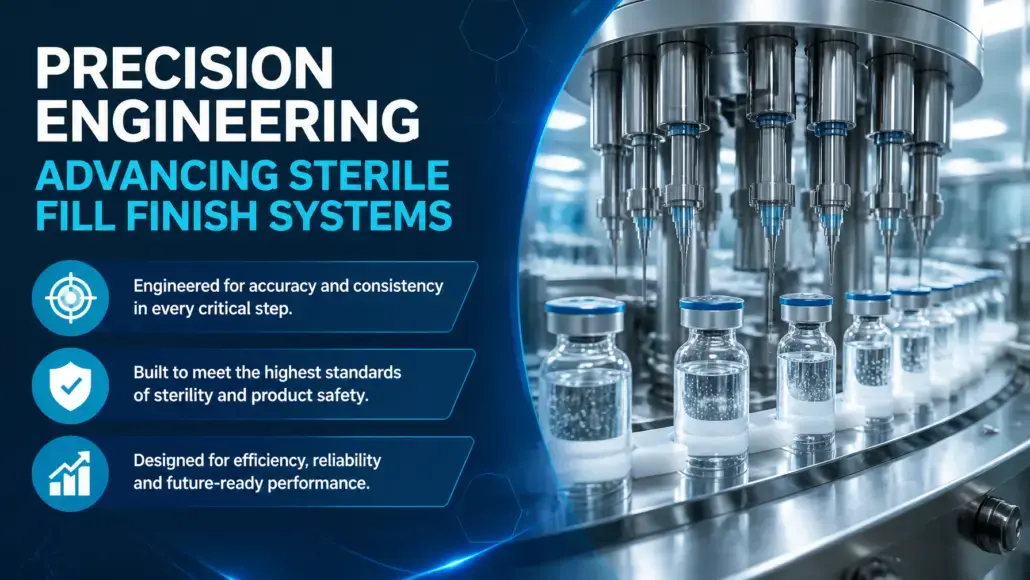
The global push for safer and more efficient drug delivery has reached a critical juncture in the pharmaceutical manufacturing sector. Sterile fill finish precision engineering now serves as the backbone for delivering complex biologics, mRNA vaccines, and GLP-1 therapies to patients worldwide. As these high-value medications become more prevalent, the technical requirements for the equipment used to package them have grown increasingly stringent. Manufacturers are no longer simply looking for speed. They are seeking systems that can guarantee absolute sterility while maintaining microscopic levels of dosing accuracy.
Operational success in a modern sterile fill finish suite depends on the integration of several advanced engineering disciplines. From robotic arms that operate inside Grade A isolators to high-speed visual inspection systems powered by artificial intelligence, the complexity of these lines is staggering. The primary driver for these advancements is the need to eliminate human intervention, which remains the single greatest risk to product sterility. Pharma Advancement notes that by leveraging precision robotics and sophisticated barrier technologies, companies can achieve the high standards required by modern regulatory frameworks.
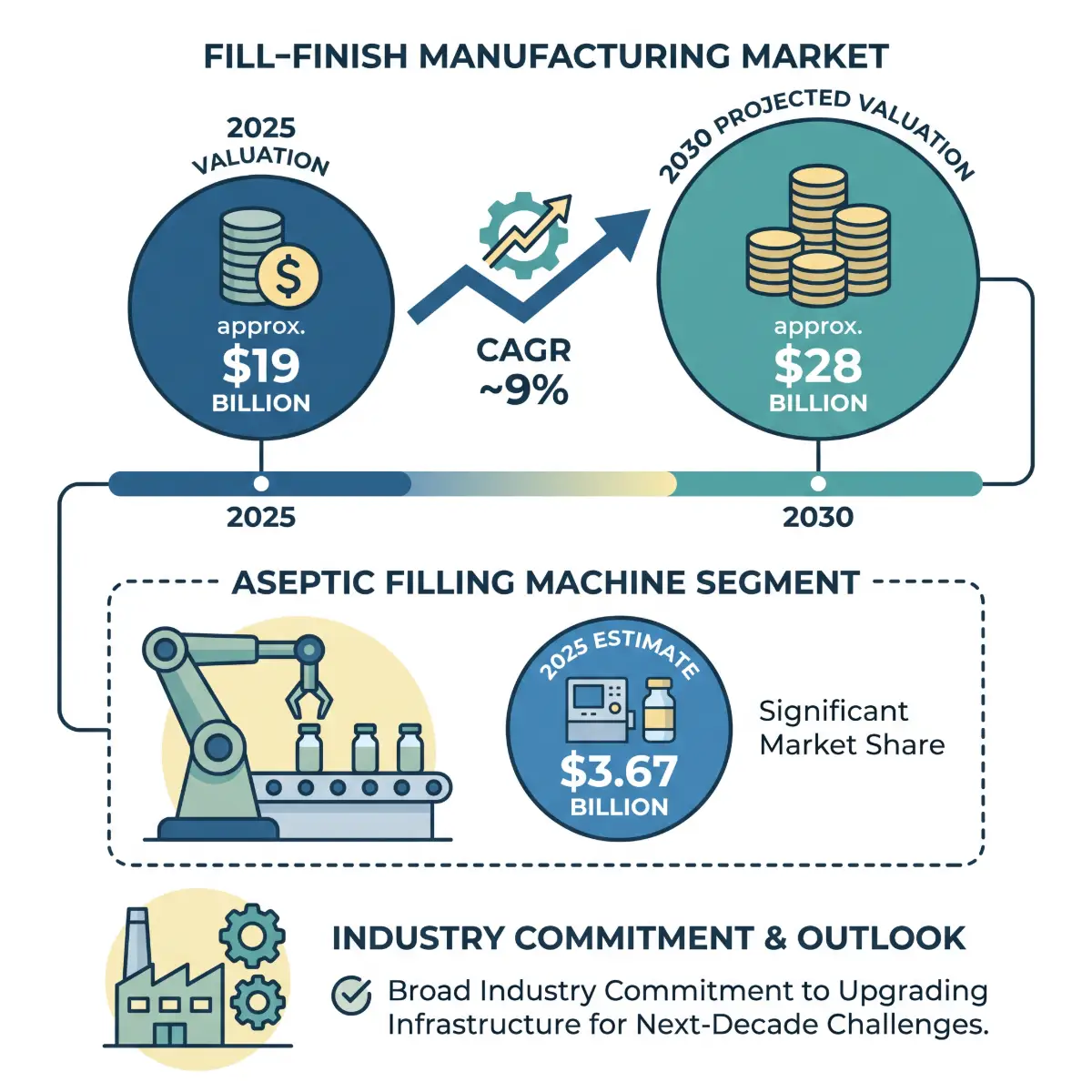
Recent market data highlights the significant scale of this sector. The fill-finish manufacturing market is valued at approximately 19 billion dollars in 2025. Industry analysts expect this market to grow at a compound annual growth rate of nearly 9 percent through 2030, eventually reaching a valuation of around 28 billion dollars. This growth is mirrored in the aseptic filling machine segment, which is estimated to be worth 3.67 billion dollars in 2025. These figures reflect a broad industry commitment to upgrading infrastructure to meet the challenges of the next decade.
Compliance with EU GMP Annex 1 Standards
The regulatory environment for sterile manufacturing has undergone a massive transformation with the implementation of EU GMP Annex 1:
- Mandated Contamination Control Strategy: The framework requires a comprehensive strategy that prioritizes barrier systems over conventional cleanroom environments.
- Adoption of Isolation Technologies: Engineering teams must design suites using Restricted Access Barrier Systems (RABS) or full isolators to physically decouple mechanical filling processes from ambient room conditions.
- Operational Workflow Redesign: This transition forces a fundamental redesign of component handling protocols and sterilization cycle management.
Isolator-integrated systems are now the gold standard for new installations. These systems provide a self-contained environment that can be decontaminated using vaporized hydrogen peroxide. The precision engineering required to maintain the pressure differentials and airflow patterns within these units is immense. Every glove port, sensor, and transfer hatch must be designed to prevent the ingress of microorganisms. Continuous viable and non-viable monitoring has become a standard feature, providing real-time data to operators and ensuring that the Grade A environment is never compromised.
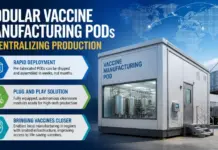
To further reduce risks, many facilities are now designing flexible production lines for injectables that can handle multiple formats without extensive manual adjustments. This modular approach allows for rapid changeovers between vials, cartridges, and syringes. By minimizing the physical contact between humans and the primary containers, manufacturers can significantly improve their first-pass yield and overall quality metrics.
Advances in Robotic Filling and 100% IPC
The introduction of robotics into the fill-finish suite has changed the way containers are moved through the line. Modern robotic filling lines use nested tubs of ready-to-use containers, which are processed without being removed from their protective packaging until the very last moment. This approach reduces the risk of glass-to-glass contact, which can lead to micro-fractures or particulate generation. High-speed robotic arms can pick and place containers with sub-millimeter precision, ensuring that the filling needles are perfectly aligned every time.
One of the most important engineering achievements in this area is the development of 100 percent in-process control. Traditional sampling methods meant that a certain percentage of containers might be underfilled or overfilled without the operator knowing immediately. Modern precision lines use load cells and high-resolution cameras to weigh every single container before and after the fill. If a discrepancy is found, the system can automatically adjust the pump stroke or reject the container without stopping the entire line.
Global Capacity Expansions and Technology Investments
Major pharmaceutical companies and contract manufacturers are investing billions of dollars to expand their sterile fill finish capabilities. These investments are driven by a need for regional supply chain resilience and the growing demand for self-administration devices. The focus is often on creating “smart” factories that utilize digital twins and electronic batch records to streamline operations and enhance data integrity.
- Lonza’s Visp Expansion: Lonza committed approximately 500 million Swiss francs to build a large-scale fill-finish facility in Visp, Switzerland, adding commercial filling lines and over 100 jobs ahead of its projected 2027 launch.
- Thermo Fisher’s US Growth: In late 2025, Thermo Fisher Scientific acquired a major sterile fill finish site in New Jersey, strengthening its domestic manufacturing network.
- BD’s Syringe Capacity Upgrades: BD invested $110 million in its Nebraska plant for glass prefillable syringe production, complementing an earlier $35 million flush syringe project announced in August 2025.

Integration of Digital Twins and AI Inspection
The role of digital technology in sterile fill finish suites is expanding beyond simple machine control:
- Virtual Simulation & Line Optimization: Digital twins enable engineers to model the complete filling process and layout in a virtual setting, identifying bottlenecks and streamlining material flow to save months of validation time during commissioning.
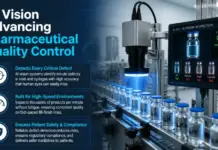
- AI-Powered Visual Inspection: High-speed cameras paired with AI algorithms inspect hundreds of containers per minute, detecting microscopic particles, cracks, or improper seals with greater consistency than human inspectors to protect patient safety in injectable drugs.
SCHOTT Pharma has reported an organic revenue growth of approximately 6 percent in its 2025 fiscal year, with an EBITDA margin of around 28 percent. This financial performance is supported by their investment in high-precision manufacturing for ready-to-use cartridges and syringes. Their new sterile plant in Hungary is a prime example of how precision engineering is being used to meet the specific needs of the biologics market.
Challenges and Ways Forward
Maintaining sterility at high speeds presents a unique set of engineering challenges:
- Mechanical and Aerodynamic Precision: High-speed sterile fill finish operations rely on sophisticated fluid dynamics modeling to control airflow turbulence and sweep particulates away from open containers, paired with sensor-guided robotic grippers that make real-time micro-adjustments to handle nested tubs without damaging containers or halting production.
- Controlled Decontamination and Aeration: While vaporized hydrogen peroxide (VHP) is essential for sterilizing the isolator, engineers must precisely validate and balance temperature, humidity, and airflow during the aeration phase to eliminate all chemical traces and prevent the degradation of sensitive drug products prior to filling.
The evolution of the sterile fill finish suite is a testament to the ingenuity of pharmaceutical engineers. By combining robotics, barrier technology, and digital intelligence, the industry is creating a manufacturing environment that is safer and more reliable than ever before. As we move closer to 2030, Pharma Advancement believes that the reliance on these high-precision systems will only increase, making them a cornerstone of the global healthcare infrastructure.
References
- “Aseptic Fill-Finish Market Size and Growth” – Precedence Research
- “Sterile Fill-Finish Manufacturing Trends 2025” – MarketsandMarkets
- “Global Aseptic Filling Machine Market Insights” – Global Market Insights
- “SCHOTT Pharma Fiscal Year 2025 Results” – SCHOTT Pharma
- “Lonza Annual Investment Report” – Lonza
- “Thermo Fisher Scientific New Jersey Acquisition” – Thermo Fisher Scientific
- “BD Nebraska Manufacturing Expansion” – Becton Dickinson
- “EU GMP Annex 1 Implementation Guide” – European Medicines Agency
- “Pharma 4.0 Digital Transformation Report” – ISPE
