





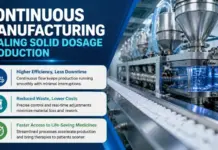




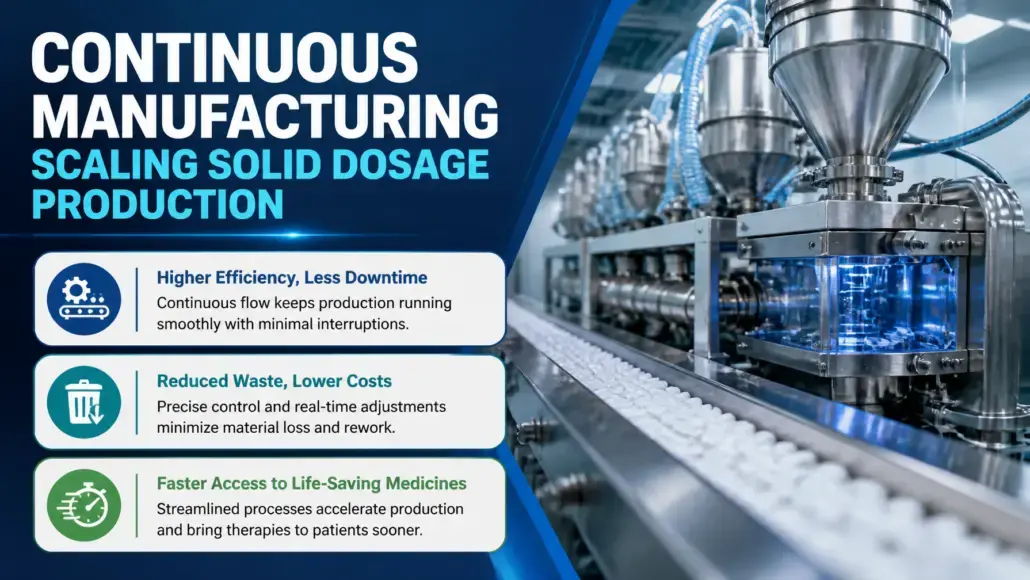
The pharmaceutical industry has long been characterized by its reliance on batch manufacturing, a process where drugs are produced in discrete stages with significant downtime between each step. However, a major shift is currently underway as the sector transitions toward large scale continuous manufacturing for solid dosage. This evolution is driven by the need for greater efficiency, reduced waste, and the ability to bring life saving medications to market faster. By integrating all production steps into a single, continuous flow, manufacturers can significantly reduce their physical footprint while improving the consistency and quality of the final product.
The traditional batch process involves weighing ingredients, mixing them, and then transporting the mixture to another station for granulation, drying, and finally tableting. Each of these steps requires separate equipment, and the materials must be tested for quality at every stage. This often results in a production cycle that spans several weeks or even months.
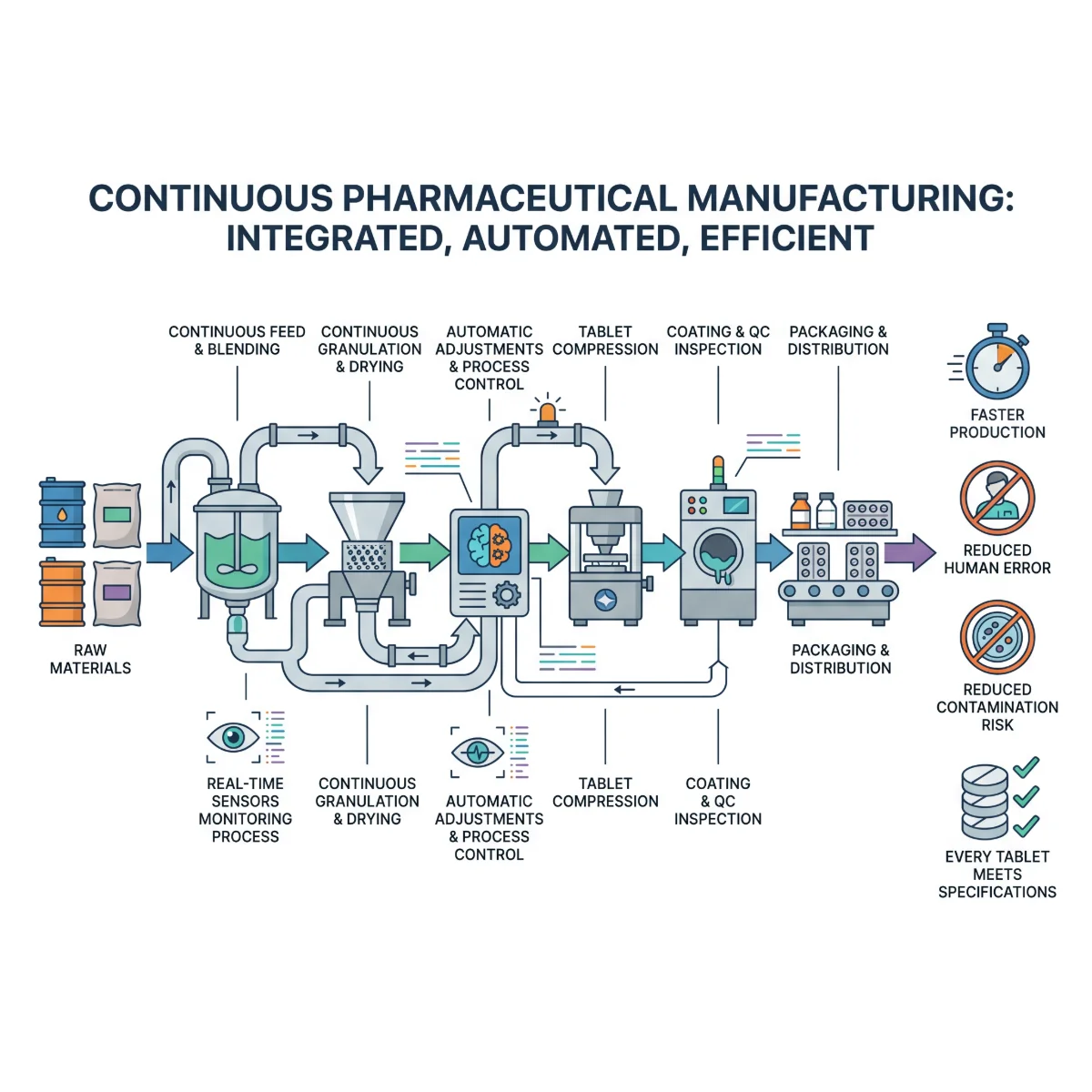
In contrast, Pharma Advancement observes that large scale continuous manufacturing allows materials to move through a single, integrated system without interruption. Sensors monitor the process in real time, making automatic adjustments to ensure that every tablet meets the required specifications. This not only speeds up production but also reduces the risk of human error and contamination.
The Economic Case for Continuous Production
One of the most compelling reasons for the adoption of continuous manufacturing is the significant cost savings it offers. Traditional batch plants are massive facilities that require high capital investment and expensive maintenance. Continuous manufacturing systems, however, are often seventy percent smaller than their batch counterparts. This smaller footprint means that companies can build new facilities for a fraction of the cost or repurpose existing space more effectively. Furthermore, the reduction in production time leads to a faster return on investment, as drugs can be manufactured and shipped to patients in a matter of days rather than weeks.
Eli Lilly has made a substantial commitment to this technology, investing nearly 40 million dollars in a continuous manufacturing facility in Cork, Ireland. The company has stated that this investment is focused on cutting production times for its blockbuster drugs, allowing it to respond more quickly to changes in global demand. By moving away from the rigid constraints of batch processing, Eli Lilly is able to optimize its supply chain and reduce the amount of inventory it needs to hold. This agility is particularly valuable in a market where drug shortages are an increasing concern and the ability to scale production rapidly can be the difference between meeting a patient’s needs and leaving them without treatment.
Operational Efficiency and Waste Reduction
Beyond the financial benefits, large scale continuous manufacturing offers significant operational advantages:
- Reduced Cleaning Frequency: Continuous systems operate for extended runs without stopping, drastically cutting down on the recurring cleaning cycles required between every run in batch manufacturing.
- Shorter Turnaround Times: Eliminates multi-day downtime spent cleaning and re-validating equipment between individual batches.
- Higher Operational Efficiency: Decreased idle time directly boosts Overall Equipment Effectiveness (OEE) and equipment utilization.
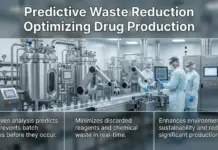
- Lower Environmental Footprint: Minimizes the heavy consumption of water, detergents, and chemical cleaning agents associated with traditional batch changeovers.
Vertex Pharmaceuticals has been at the forefront of this operational shift, having established a 40,000 square foot facility in the United States that is dedicated to continuous manufacturing. The company has successfully integrated every step of the production process, from the initial blending of raw materials to the final coating of the tablets. This high level of integration allows for a more precise control over the manufacturing environment, resulting in a more uniform product. Vertex has reported that this approach has significantly reduced the amount of waste generated during production, as there are fewer opportunities for materials to be lost or contaminated during transfer between stages.
Quality by Design and Real-Time Monitoring
A key component of large scale continuous manufacturing is the concept of quality by design:
- Quality by Design (QbD): Embeds quality directly into the product and process from the outset, moving away from post-production end testing.
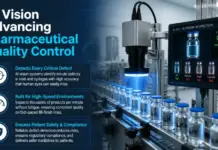
- Integrated In-Line PAT: Leverages advanced sensors and Process Analytical Technology (PAT) to continuously monitor chemical and physical material properties throughout the line.
- Real-Time Deviation Correction: Instantaneous process visibility enables operators to detect and fix discrepancies immediately before they impact the final product.
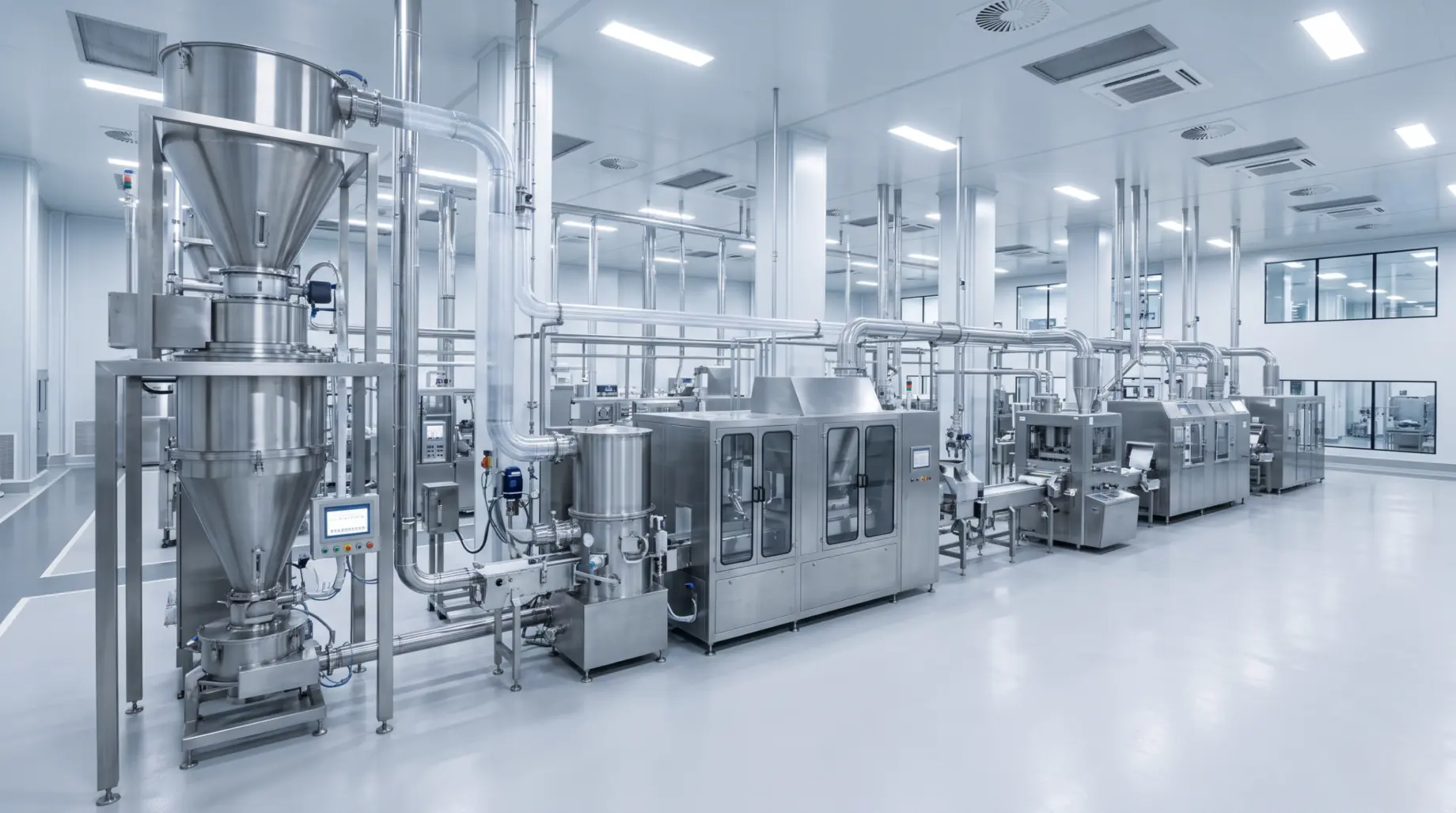
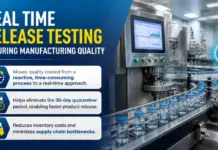
The integration of PAT enables what is known as real time release testing. In traditional manufacturing, finished tablets must be quarantined for several weeks while laboratory tests are conducted to verify their potency and purity. With continuous manufacturing, the data collected during the production process can be used to release the product for shipment immediately. This eliminates the need for large storage areas and reduces the risk of product degradation during quarantine. For oncology drugs and other high value therapies, the ability to release products in real time is a major competitive advantage. The true power of this continuous flow is realized when paired with advanced analytical tools that enable real time release testing.
Navigating the Regulatory Landscape
The transition to continuous manufacturing has also been supported by regulatory agencies like the FDA and the EMA. These organizations recognize the benefits of the technology and have provided guidance to help companies navigate the validation process. While the initial setup of a continuous line requires a significant amount of data and documentation, the long term benefits of improved quality and reduced risk make it a worthwhile investment. The regulators are increasingly encouraging manufacturers to adopt advanced technologies that improve the robustness of the pharmaceutical supply chain.
Vertex Pharmaceuticals was one of the first companies to receive FDA approval for a drug manufactured using a continuous process. This milestone proved that the technology is not only viable but also capable of meeting the highest standards of safety and efficacy. Since then, more companies have followed suit, and the number of drugs produced using continuous methods is expected to grow rapidly in the coming years. The industry is reaching a tipping point where continuous manufacturing will soon become the standard for new solid dosage products.
The Future of Global Drug Supply
As the pharmaceutical industry continues to evolve, the role of large scale continuous manufacturing will only become more important. The ability to produce high quality drugs in a smaller, more efficient footprint will enable manufacturers to establish production hubs closer to patient populations. This will reduce the complexity of the global supply chain and make it easier to respond to local health crises. Furthermore, the data driven nature of continuous manufacturing will provide the foundation for further innovations in personalized medicine and targeted therapies.
In conclusion, the shift from batch to continuous manufacturing represents one of the most significant technological advancements in the history of the pharmaceutical industry. By embracing this change, companies like Vertex and Eli Lilly are setting a new standard for efficiency, quality, and sustainability. The benefits of large scale continuous manufacturing for solid dosage are clear: reduced production times, lower costs, and a more resilient supply chain.
The pharmaceutical industry is now at the threshold of a new era of productivity and innovation. The shift to continuous systems is a vital component of this progress. Pharma Advancement believes that by investing in these advanced technologies today, manufacturers are securing their place in the competitive market of tomorrow. The long term impact of this transition will be felt by healthcare systems and patients for decades to come.
References
- National Institutes of Health (NIH)
- Fierce Pharma
- GEA Group
- International Society for Pharmaceutical Engineering (ISPE)
- Chemical & Engineering News (C&EN)
- Vertex Pharmaceuticals
- Eli Lilly
