






















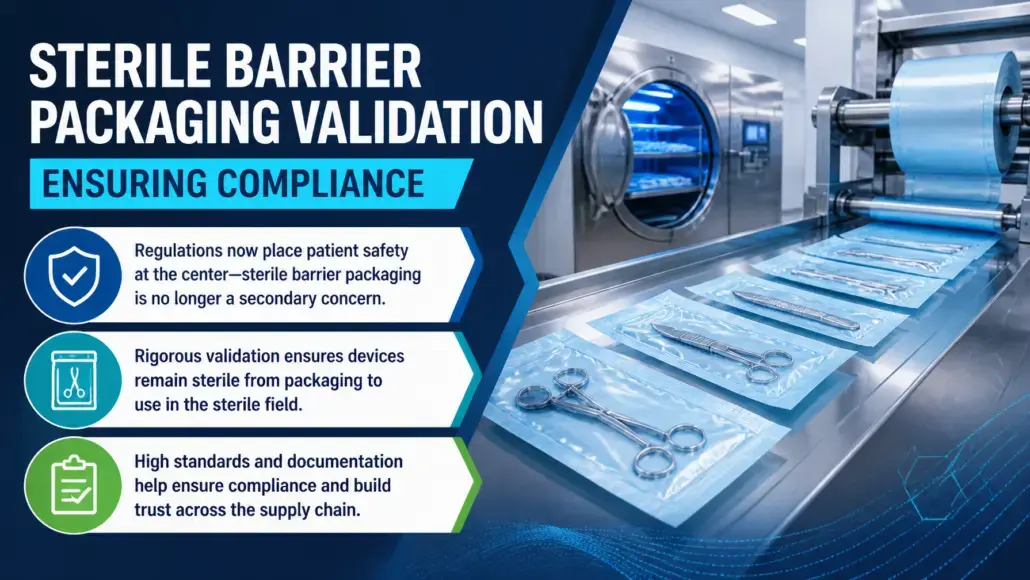
The regulatory landscape for medical device packaging has undergone a significant transformation, moving from a secondary concern to a primary element of patient safety. Pharma Advancement notes that central to this shift is the rigorous application of sterile barrier packaging validation protocols, which ensure that a device remains sterile from the moment it is packaged until it reaches the sterile field in a hospital.
The pharmaceutical industry is navigating new requirements that demand higher levels of transparency and empirical evidence. The goal is simple but the execution is complex. Manufacturers must prove that their packaging can withstand the entire lifecycle of the product without compromising the microbial barrier.
Lifecycle Validation and Human Factors Engineering
Sterile barrier packaging validation is not a one time event but a continuous process that begins with the initial design of the packaging system. Every material choice, from the type of film to the specific adhesive used in the seal, must be justified and tested under worst case conditions. This includes simulating the stresses of sterilization, shipping, and long term storage.
According to recent guides on ISO 11607 compliance released in 2026, the emphasis has shifted toward human factors and usability. It is no longer enough for the package to be sterile. It must also be easy for a clinician to open without contaminating the contents. This intersection of engineering and ergonomics is where many modern validation efforts are currently focused.
Market Growth and Expanding Testing Infrastructure
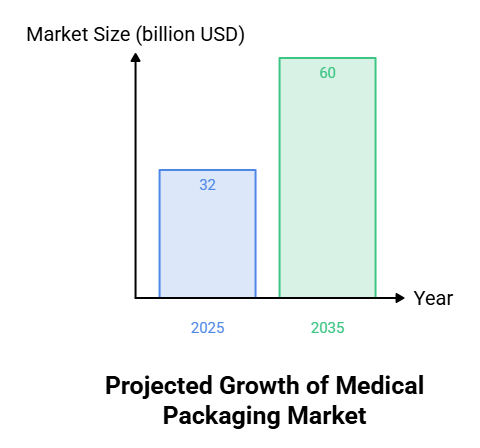
The importance of these protocols is reflected in the growth of the medical packaging market, which is projected to grow from nearly 32 billion USD in 2025 to over 60 billion USD by 2035. This expansion is driving increased investment in sophisticated testing facilities that can perform real time aging studies and accelerated degradation tests.
Companies like Steris and Nelson Labs have expanded their service offerings in 2025 to help manufacturers navigate the complexities of global regulatory submissions. Their expertise is essential for firms looking to enter new markets where standards like the FDA Quality Management System Regulation and the European Medical Device Regulation set a high bar for sterile barrier packaging validation protocols.
Sterilization Modalities and Material Compatibility
One of the key challenges in validation is the diversity of sterilization methods. A package that is validated for ethylene oxide might fail if subjected to gamma irradiation or electron beam sterilization. Each method places different stresses on the materials. For instance, radiation can cause certain polymers to become brittle over time, while heat can weaken adhesive bonds.
Manufacturers must therefore perform specific tests for each intended sterilization route to ensure that the barrier remains intact. This requires a deep understanding of material science and a commitment to rigorous physical testing, including bubble leak tests and dye penetration studies.
Enhancing Puncture Resistance and Durability
The development of more durable packaging materials is also helping to improve sterile barrier packaging validation outcomes:
- Rising Packaging Demands: Increasingly complex, sharp, or heavy medical device designs require higher-strength packaging solutions.
- Sterility & Validation Risks: Enhancing puncture resistance in medical pouches is critical, as a single breach in the barrier film invalidates the entire sterile barrier validation.
- Integrated Protective Layers: Embedding dedicated puncture-resistant layers directly into pouch films provides an essential safety margin against punctures.
- Transit Test Success: Stronger barrier structures significantly lower the rate of package failures during rigorous transport simulation testing (e.g., ASTM/ISTA standards).
Industry Leadership and Proactive Risk Management
Digitalization and Traceability in Data Management
Digitalization is also beginning to play a role in how sterile barrier packaging validation data is managed. The move toward digital threads allows manufacturers to link every test result back to a specific batch of material and a particular production run. This creates a complete and searchable record that can be easily accessed during regulatory audits.
In late 2025, several software providers launched platforms specifically designed for medical packaging validation, offering automated workflows that ensure all necessary steps are followed and documented according to ISO standards. This reduces the risk of human error and improves the overall speed of the validation cycle.
Computational Modeling and Predictive Simulation
Sustainable Packaging and Future Standards
As the industry moves toward more sustainable materials, sterile barrier packaging validation protocols are being put to the test. New bio based or recyclable films must prove that they offer the same level of protection as traditional petroleum based plastics. This requires a comprehensive re evaluation of existing standards to ensure they are applicable to these new materials.

Patient Safety and Integrity Assurance
References
- “Revised 2025 White Paper: Medical Device Packaging and Testing” – LSO Inc
- “ISO 11607: Medical Device Packaging Validation Guide” – MDX CRO
- “Sterile Barrier System Regulatory Standards Explained” – Pathway Medtech
- “Ensuring Patient Safety with Packaging Validation” – Plastic Ingenuity
- “Medical Packaging Market Size, Share & Trends 2035” – Market Research Future
- “Top 5 Articles of 2025 for Packaging Professionals” – Oliver Healthcare Packaging
- “Medical Packaging industry projected to grow from 31.97 USD Billion in 2025” – Market Research Future
