




















AI Summary
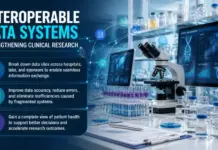
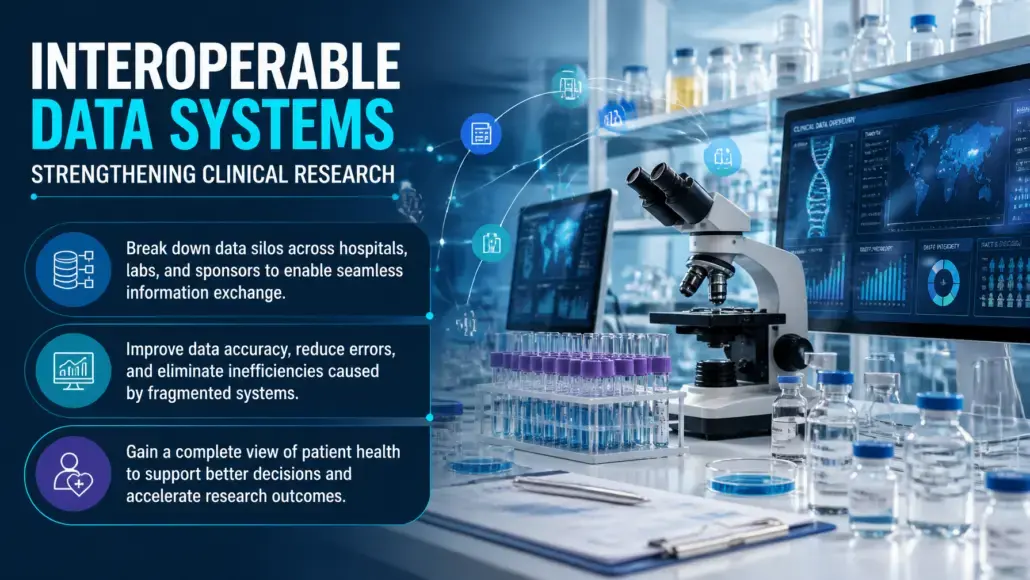
The ability to seamlessly exchange information across different platforms and organizations is one of the most significant hurdles in the modern pharmaceutical research environment. Historically clinical data has been trapped in silos where each hospital or laboratory or sponsor uses its own proprietary formats and systems. This fragmentation leads to inefficiencies and errors and a lack of comprehensive visibility into patient health. However the development and adoption of clinical research interoperable data systems are now beginning to bridge these gaps. By creating a unified framework for data exchange these systems are strengthening the quality of evidence generated and fostering a more collaborative approach to drug development on a global scale.
Pharma Advancement notes that the foundation of this transformation is the implementation of common data standards such as Fast Healthcare Interoperability Resources or FHIR. These standards provide a common language that allows disparate systems to communicate with one another without the need for custom interfaces. When clinical research interoperable data systems are utilized it becomes possible to integrate data from electronic health records and laboratory information systems and wearable devices into a single cohesive dataset. This holistic view of the patient provides researchers with a much deeper understanding of how a treatment affects various aspects of health. The transition from isolated data points to integrated insights is the key to unlocking the full potential of clinical research.
Streamlining Site Collaboration and Data Integrity
Collaboration between pharmaceutical companies and investigative sites is also greatly enhanced through these systems. In a traditional trial sites often have to enter the same data into multiple different portals which is a major source of frustration and inefficiency. Through clinical research interoperable data systems researchers can implement single sign on and automated data transfer protocols that reduce the administrative burden on site staff. This allows investigators to spend more time with their patients and less time navigating complex software interfaces. The improved user experience for site staff leads to higher levels of engagement and a more successful partnership between the sponsor and the research team.

The impact on data quality and integrity is equally profound. Manual data entry and reconciliation are prone to errors that can compromise the results of a study. Clinical research interoperable data systems minimize these risks by using automated validation checks and real time data synchronization. When information is updated in one system it is automatically reflected across the entire network ensuring that everyone is working with the most current data. This level of consistency is essential for maintaining the high standards of evidence required for regulatory submissions and for ensuring the safety of the participants involved in the trial.
Enhancing Evidence Generation and Real World Insights
The ultimate goal of any clinical trial is to generate high quality evidence that can support the approval of a new therapy. Clinical research interoperable data systems accelerate this process by allowing for the rapid aggregation and analysis of data from multiple sources. This is particularly important for rare diseases and oncology where patient populations are small and researchers must often look across multiple studies to find meaningful patterns. By pooling data through interoperable systems scientists can achieve the statistical power needed to identify subtle safety signals or therapeutic benefits that might be missed in a single isolated trial.
Furthermore the integration of real world data into clinical research is becoming increasingly important. Regulatory agencies are now looking for evidence that shows how a drug performs in a broader and more diverse population than is typically seen in a controlled trial. Through clinical research interoperable data systems researchers can pull longitudinal health data from insurance claims and pharmacy records and patient registries. This real world evidence provides a more comprehensive picture of long term safety and effectiveness. The ability to combine traditional trial data with real world insights is a major advantage for companies looking to demonstrate the full value of their products.
The scalability of global clinical research also depends on the maturity of these interoperable systems. Managing a trial across multiple countries involves dealing with different regulatory requirements and languages and technical infrastructures. Clinical research interoperable data systems provide a standardized framework that can be adapted to meet these local needs while maintaining a consistent global architecture. This allows sponsors to expand their research footprint into new regions with greater confidence and efficiency. The ability to conduct large scale global trials is essential for developing therapies that address the health needs of diverse populations around the world.
Supporting Innovation and Future Readiness
The pharmaceutical industry is currently undergoing a period of rapid technological change. From the rise of personalized medicine to the increasing use of artificial intelligence the demands on data systems are evolving quickly. Clinical research interoperable data systems provide a flexible and scalable foundation that can support these future innovations. By moving away from rigid proprietary systems and embracing open standards companies can more easily integrate new tools and technologies as they emerge. This future proofing is essential for staying competitive in a rapidly changing market and for ensuring that research efforts remain efficient and effective.

Patient privacy and data security are also central considerations in the design of these systems. As data moves between different organizations it is critical to ensure that it is protected from unauthorized access or misuse. Clinical research interoperable data systems incorporate advanced encryption and access control mechanisms to ensure that patient information remains confidential. By adhering to global privacy regulations such as GDPR companies can build trust with patients and regulators and ensure that their data exchange practices are ethical and compliant. The security of the data is the foundation upon which all collaborative research efforts are built.
The Future of Integrated Clinical Research
In conclusion the strengthening of clinical research through interoperable data systems is a vital part of the industry modernization effort. By breaking down data silos and fostering a more collaborative environment these systems are improving the efficiency and quality of drug development. The benefits extend from the researchers who have access to better data to the patients who receive more effective treatments faster. As we continue to advance the technical and regulatory frameworks for data exchange the role of interoperability will only become more central to the success of clinical research. The path to a more integrated and insightful research ecosystem is clear and it is driven by the commitment to interoperable data systems.
Pharma Advancement believes that the transition to full interoperability will require ongoing commitment and collaboration from all stakeholders in the healthcare ecosystem. Pharmaceutical companies and technology providers and regulatory agencies must work together to define and implement the standards that will drive the next generation of research. The reward for this effort is a more responsive and effective healthcare system that can deliver the benefits of innovation to everyone. The era of the truly integrated clinical trial has begun and its potential to transform medicine is limitless.
