











In the modern pharmaceutical landscape, the focus of drug development has expanded far beyond the chemical composition of the medication. There is a growing realization that the effectiveness of a therapy is intrinsically linked to how easily a patient can access and administer it. Pharma Advancement believes that this shift in perspective has led to the rise of patient centric packaging, a design philosophy that prioritizes the needs, capabilities, and daily realities of the end-user. For decades, pharmaceutical packaging was primarily designed for shelf stability and mass production efficiency. However, as the global population ages and chronic diseases become more prevalent, the industry is recognizing that traditional packaging can often become a barrier to treatment rather than a facilitator of health.
Addressing the Friction Points of Non-Adherence
The core objective of patient centric packaging is to eliminate the friction points that lead to non-adherence. Non-adherence—the failure to take medication as prescribed—is a multi-billion dollar problem that results in thousands of avoidable hospitalizations every year. Often, the root cause is not a lack of willpower, but physical or cognitive challenges associated with the packaging itself. For elderly patients or those suffering from conditions like rheumatoid arthritis, even a simple task like opening a child-resistant bottle can be a source of frustration and pain. By developing easy open drug containers that maintain safety standards while being accessible to those with limited manual dexterity, manufacturers can significantly improve the patient experience and ensure that the medicine actually reaches the person it was intended for.
Designing for Senior-Specific Requirements
A critical component of this movement is the development of senior friendly packaging. As we age, our physical strength, vision, and cognitive processing can decline. Packaging that uses small fonts, complicated opening mechanisms, or ambiguous instructions can lead to confusion and incorrect dosing. Designers are now looking at the human factor from every angle. This includes the use of high-contrast colors and large, legible typography to ensure clear medical labelling. When a patient can easily read the name of the drug, the dosage, and the expiration date, the risk of a medication error drops precipitously. Furthermore, integrating tactile cues and audible clicks to confirm a package has been correctly opened or closed provides an added layer of reassurance for those with sensory impairments.
Innovative Formats for Complex Medication Regimens
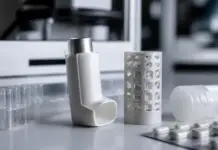
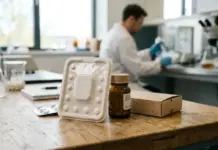
The evolution of adherence packaging design is another pillar of the patient-centered approach. For patients managing multiple chronic conditions, keeping track of different pills and dosing schedules can be over-whelming. Traditional bottles provide little help in organizing a complex regimen. In contrast, modern adherence packaging, such as multi-compartment blister packs or smart dispensers, organizes medication by the day and time of day. This visual layout acts as a built-in reminder system, making it obvious if a dose has been missed. By simplifying the cognitive load required to manage one’s health, patient centric packaging empowers individuals to take control of their treatment plans with greater confidence and accuracy.
Tailoring Delivery to Individual Patient Lifestyles
Personalized drug delivery is also beginning to intersect with packaging design in innovative ways. We are moving toward a future where packaging is no longer a one-size-fits-all solution. Depending on the patient’s lifestyle and physical needs, a manufacturer might offer a medication in a variety of formats—from pre-filled pens for those who travel frequently to specialized dispensers for those with tremors. This level of customization ensures that the packaging fits the patient’s life, rather than forcing the patient to adapt to the packaging. By gathering data through patient focus groups and usability studies during the design phase, pharmaceutical companies are creating solutions that resonate deeply with the actual challenges faced in the home environment.
Safety Standards and Information Delivery
The transition to a patient-centered model also requires a rethink of regulatory and safety standards. There has long been a perceived conflict between child-resistant and senior-friendly. However, modern engineering has shown that these two goals are not mutually exclusive. Innovative mechanisms, such as those requiring a specific sequence of actions rather than pure physical force, can protect children while remaining intuitive for older adults. Regulatory bodies are increasingly supportive of these designs, as they recognize that a package that cannot be opened by a patient is, in effect, a failed delivery system. The collaboration between engineers, designers, and health professionals is essential to ensuring that safety and accessibility go hand-in-hand.
In addition to physical usability, regulators are placing greater emphasis on how safety information is communicated to patients throughout the product lifecycle. Clear labeling, intuitive symbols, multilingual instructions, and accessible digital resources such as QR codes linked to electronic instructions for use are becoming increasingly common. These innovations help patients quickly access up-to-date guidance on dosage, storage, handling, and disposal while reducing the risk of medication errors. Human factors engineering and usability testing are also being incorporated into the package development process to evaluate how different patient populations interact with packaging in real-world settings. By integrating accessible design with comprehensive information delivery, pharmaceutical companies can improve medication adherence, enhance patient confidence, and support better healthcare outcomes while maintaining compliance with evolving global regulatory requirements.
The Packaging as a Strategic Communication Channel
Beyond the physical interaction, patient centric packaging serves as a critical communication channel. It is often the final point of contact between the manufacturer and the patient before a dose is taken. Utilizing this space effectively means more than just listing ingredients; it means providing encouragement, clear warnings, and easy-to-follow diagrams. Digital integration, such as scannable codes that link to instructional videos, further enhances this communication. When a patient feels supported and informed by the packaging they hold in their hand, they are more likely to stay engaged with their therapy. This emotional connection is a subtle but powerful driver of long-term adherence and positive clinical outcomes.
Conclusion: Shaping the Future of Compassionate Care
Ultimately, the move toward patient centric packaging represents a maturation of the pharmaceutical industry. It is an acknowledgment that the product is not just a pill or a liquid, but the successful delivery of a health outcome. Pharma Advancement notes that by designing with empathy and focusing on the human element, manufacturers can create packaging that truly serves the patient. As technology continues to advance, we can expect to see even more sophisticated solutions that combine material science with digital connectivity, further bridging the gap between clinical intent and patient reality. The future of medicine is not just about smarter drugs, but about smarter, more compassionate ways to deliver them.
