




















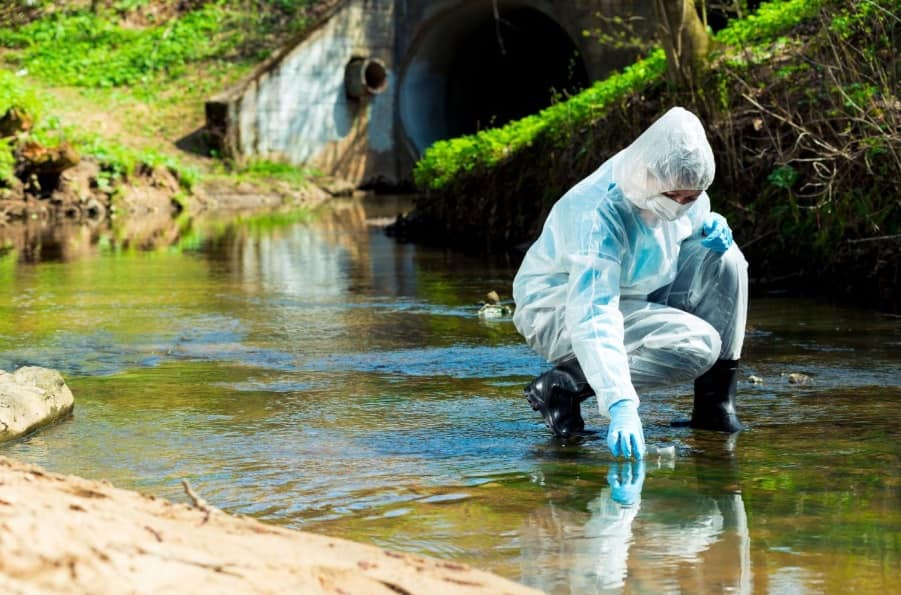
In the US, nearly 100 million individuals are prescribed medications like metoprolol and atenolol to lower their blood pressure. Unintentionally, some of these drugs are finding their way into US waterways. Recent research highlights that pharmaceuticals, recreational drugs, and their byproducts are present in the Hudson and East Rivers in New York City after heavy rains, suggesting this issue may be widespread.
Human bodies do not fully metabolize many drugs, leading to their excretion in urine. This urine typically flows to wastewater treatment plants, which vary in how effectively they remove drug contaminants. Marta Concheiro-Guisan, a forensic toxicologist at the John Jay College of Criminal Justice and one of the study’s authors, explains that New York City and other major US cities use outdated combined wastewater and stormwater systems. During heavy rainfall, these systems can overflow, sending untreated, drug-laden waste directly into rivers. Modern sewer systems, which separate wastewater and stormwater, avoid such overflows.
Blood pressure medications were detected at the highest concentrations, but other drugs, including the antidepressant fluoxetine and the antibiotic sulfamethoxazole, were also found. Recreational drugs like cocaine, methamphetamine, methadone, and fentanyl, along with their byproducts, were present as well. These substances were detected at levels ranging from 0.5 ng/L to about 100 ng/L. Scientists refer to these concentrations as micropollutants, though there is no US policy officially defining them.
The impact of these drug micropollutants on people and the environment remains unclear. Lloyd Wilson, an environmental toxicologist at the University at Albany, notes that more data is needed to understand potential consequences. He believes that, generally, the detected levels do not pose a significant human health risk but emphasizes that ongoing contaminant monitoring is essential to track their effects.
