




















AI Summary
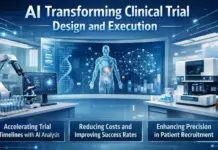
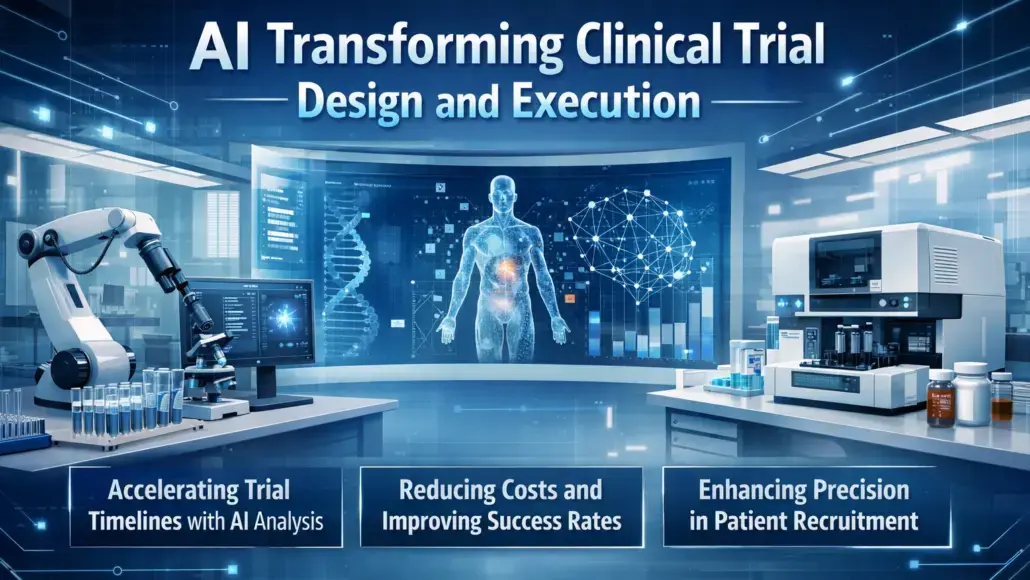
The pharmaceutical industry stands at the threshold of a new era where clinical trial artificial intelligence integration is no longer a futuristic concept but a present reality. The traditional landscape of drug development was often characterized by lengthy timelines and significant financial risks. However the introduction of advanced computational models has begun to redefine how researchers approach the fundamental architecture of a clinical study. By leveraging the power of deep learning and neural networks scientists are now able to simulate biological outcomes with a degree of accuracy that was previously impossible. This transition from manual and reactive planning to proactive and data driven design represents the most significant shift in medical research since the adoption of electronic data capture systems.
Pharma Advancement notes that the core of this transformation lies in the ability of sophisticated algorithms to process vast amounts of unstructured data from previous studies and genetic databases. When artificial intelligence integration is applied at the clinical trial design phase it allows for the creation of more robust protocols that account for patient variability and potential safety signals long before the first participant is enrolled. These systems can identify historical patterns that human reviewers might overlook such as subtle correlations between specific biomarkers and therapeutic responses. By refining the inclusion and exclusion criteria based on these insights pharmaceutical companies can ensure that they are targeting the right patient populations for their investigational products.
Streamlining Operations and Participant Engagement
Operational execution has also witnessed a dramatic overhaul through the application of these technologies. Monitoring a global trial involves managing thousands of data points across multiple time zones and regulatory jurisdictions. Through artificial intelligence integration in clinical trial design, teams can implement real time risk based monitoring that flags anomalies or deviations as they occur. Instead of waiting for a scheduled site visit to discover a recording error the system alerts the study coordinator immediately. This level of oversight not only protects the integrity of the clinical data but also ensures the safety of the participants involved. The reduction in manual monitoring hours allows highly skilled personnel to focus on complex problem solving rather than routine administrative tasks.

Patient recruitment remains one of the most challenging bottlenecks in the pharmaceutical lifecycle. Many trials fail simply because they cannot find enough qualified individuals within the required timeframe. The artificial intelligence integration in clinical trial design helps bridge this gap by scanning electronic health records and social media patterns to identify potential candidates who meet the specific criteria of a study. This targeted approach is far more effective than broad advertising campaigns and significantly reduces the cost per enrolled patient. Furthermore these tools can predict which participants are at a higher risk of dropping out which enables the study team to provide additional support or interventions to maintain retention rates.
Enhancing Protocol Complexity Management
The complexity of modern clinical protocols has increased significantly over the last decade as therapies become more specialized. Managing multiple endpoints and secondary objectives requires a level of coordination that pushes the limits of human capacity. Through artificial intelligence integration in clinical trial design researchers can simplify these complex structures by using natural language processing to analyze and optimize the language used in protocol documents. This ensures that every stakeholder from the investigator to the patient understands the requirements of the study without ambiguity. A clearer protocol leads to fewer amendments which are often costly and time consuming for the sponsor.
Digital twins represent another groundbreaking application of artificial intelligence integration in the clinical trial design phase. By creating a mathematical representation of a patient researchers can simulate how a specific drug might behave in a diverse population. This allows for the reduction of the number of participants required in a control group since the digital twin can provide a baseline for comparison. While we are still in the early stages of regulatory acceptance for this approach the potential to minimize the exposure of human subjects to placebos or sub optimal doses is a major ethical and practical advantage.
The integration of wearable devices and remote monitoring tools has further expanded the scope of what is possible in trial execution. These devices generate a continuous stream of physiological data that must be filtered and interpreted. Without artificial intelligence integration in clinical trial design the sheer volume of this data would overwhelm study teams. Advanced algorithms can distinguish between clinically significant changes in a heart rate and simple noise caused by a loose sensor. This high fidelity data collection provides a more comprehensive picture of how a drug affects a patient in their natural environment rather than just in a clinic setting.
Optimizing Resource Allocation and Cost Efficiency
Budgetary constraints are a constant concern in the drug development process. Every day a trial is delayed translates to lost revenue and delayed access for patients in need. Artificial intelligence integration in clinical trial design serves as a powerful tool for optimizing resource allocation. By predicting which sites are likely to perform best and which countries offer the fastest regulatory pathways these systems help sponsors make informed decisions about where to invest their capital. This strategic planning reduces the waste associated with underperforming sites and ensures that the trial stays on schedule and within budget.
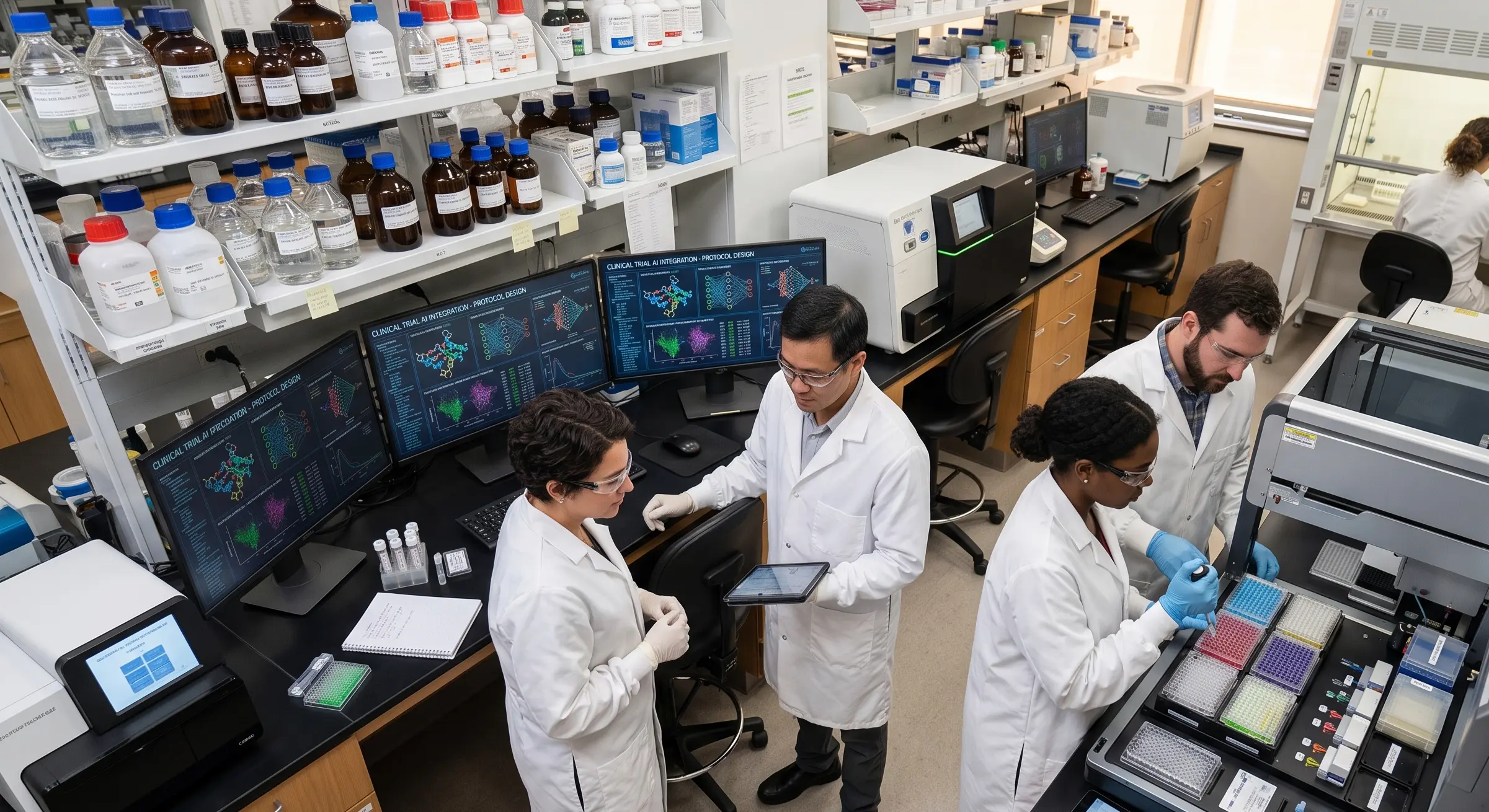
The quality of the final evidence generated is the ultimate measure of a trial success. Errors in data entry or inconsistencies in reporting can jeopardize a regulatory submission and lead to costly delays. Artificial intelligence integration in clinical trial design provides an additional layer of quality assurance by continuously auditing the data for logical inconsistencies. This proactive approach ensures that the final dataset is clean and ready for analysis as soon as the last patient completes their final visit. The speed at which this occurs allows pharmaceutical companies to bring life saving treatments to market faster than ever before.
The Horizon of Intelligent Medicine
In conclusion the impact of artificial intelligence integration in clinical trial design on the pharmaceutical industry is profound and far reaching. By enhancing the design of protocols and the execution of daily operations these technologies are making clinical research more efficient and reliable. As these tools continue to evolve we can expect to see even greater improvements in how we discover and test new medicines. The future of clinical trials is undoubtedly digital and the integration of artificial intelligence is the engine driving this change. The journey from a molecular concept to a delivered medicine is becoming a path defined by precision and accelerated by intelligent systems.
Pharma Advancement believes that the ongoing evolution of these digital frameworks will lead to a more personalized approach to medicine. Instead of a one size fits all methodology, artificial intelligence integration in clinical trial design allows for adaptive designs that can change based on the data collected during the study. This flexibility is essential for the development of targeted therapies in oncology and rare diseases where patient populations are small and every data point is critical. The era of the intelligent clinical trial has arrived and its benefits will be felt by researchers and patients alike for generations to come.
