





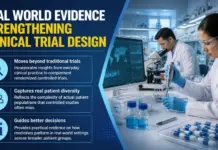
















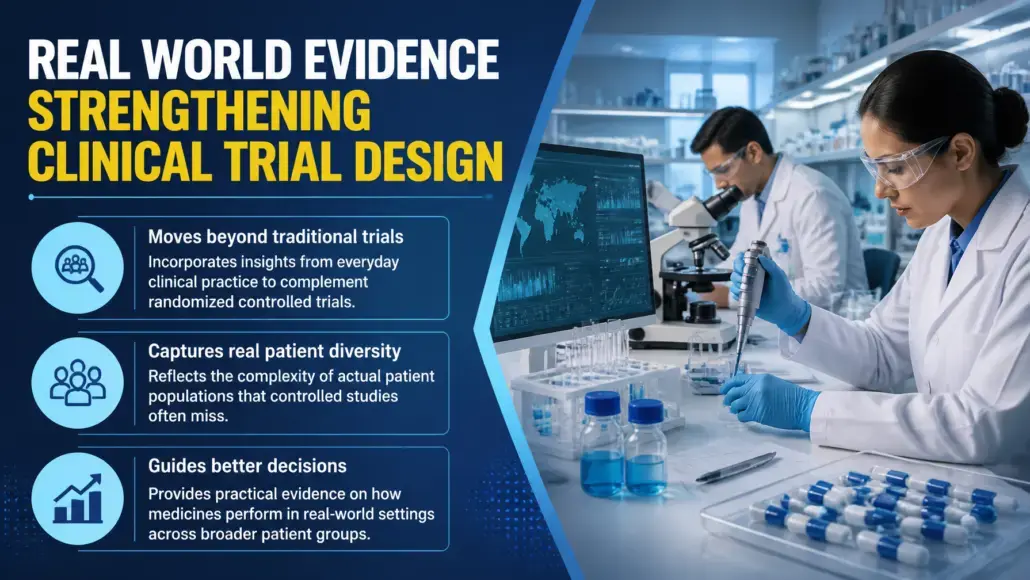
The reliance on randomized controlled trials as the sole source of evidence for drug approvals is gradually evolving to include insights from everyday clinical practice. While the controlled environment of a traditional study is essential for establishing a clear cause and effect relationship it often fails to reflect the complexity and diversity of the actual patient population. The integration of real world evidence into the research lifecycle is bridging this gap by providing data on how medications perform in the real world. Pharma Advancement botes that by leveraging information from electronic health records and insurance claims and patient registries researchers can build more robust and relevant clinical studies. This comprehensive approach is strengthening the foundation of medical evidence and leading to more informed decisions by regulators and healthcare providers alike.
Using Real-World Data to Improve Clinical Study Design
At its core real world evidence involves using data collected outside of the traditional trial setting to inform and enhance the design of new studies. For example researchers can analyze existing health records to identify the specific patient subgroups that are most likely to benefit from a new therapy. This allows for a more targeted and efficient trial design where the inclusion and exclusion criteria are based on actual clinical experience rather than just theoretical assumptions. By focusing on the patients who are most likely to respond to a treatment pharmaceutical companies can improve the chances of a successful outcome and reduce the number of participants required to achieve statistical significance.
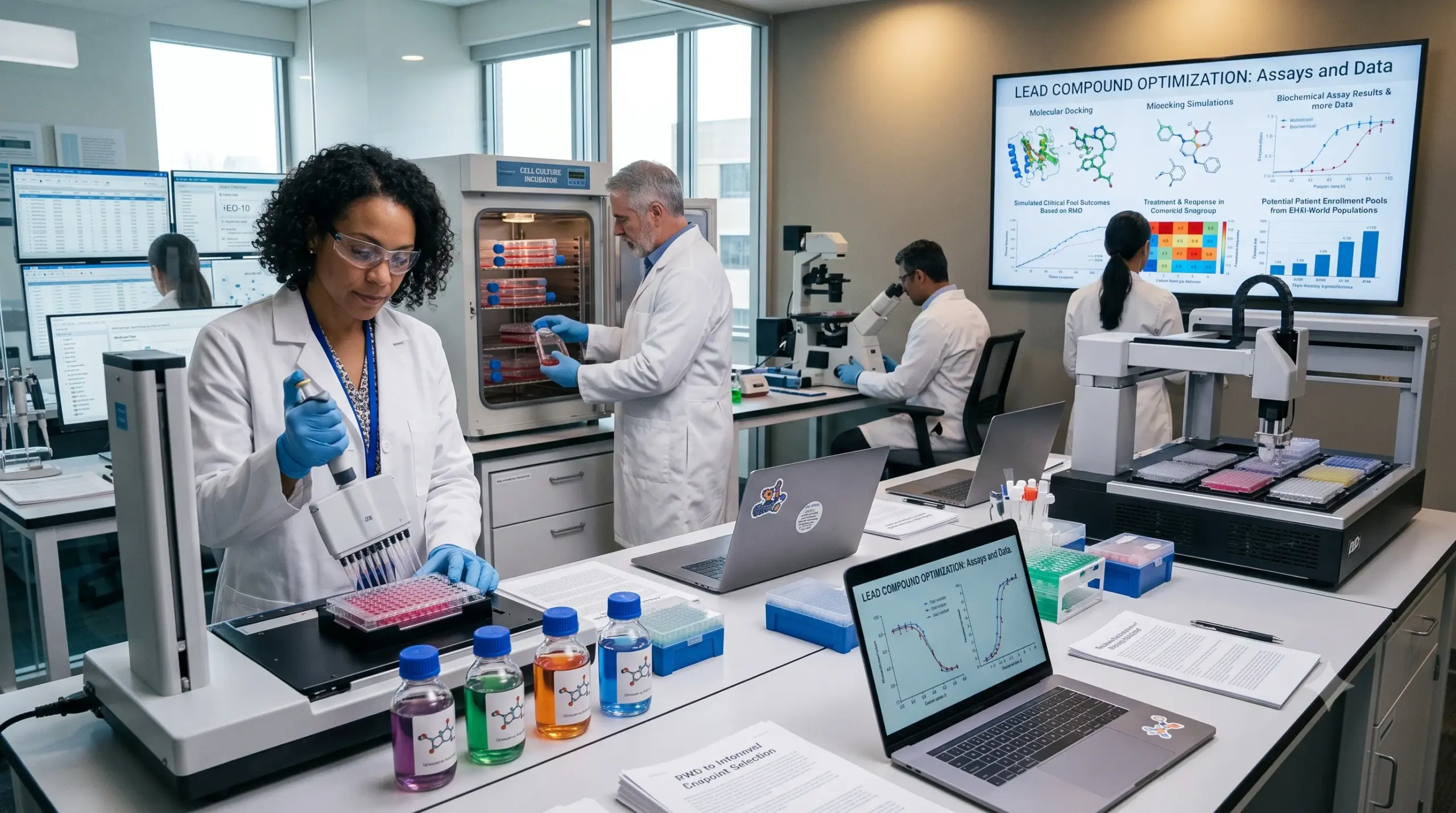
The use of external control arms is another innovative application of real world evidence. In some cases particularly for rare diseases where patient populations are extremely small it may be unethical or impractical to have a traditional placebo group. By using historical data from previous studies or current records from standard of care treatments researchers can create a virtual control group for comparison. This allows for the evaluation of a new therapy without exposing patients to a placebo. While this approach requires sophisticated statistical methods to ensure that the groups are comparable it represents a major ethical and practical advancement in the field of clinical research.
Strengthening Long-Term Safety Monitoring
Monitoring long term safety and effectiveness is an area where real world evidence truly shines. Traditional clinical trials are often too short to capture rare or delayed side effects that may only become apparent after a drug is used by a larger population over a longer period. By continuously analyzing real world data researchers can identify safety signals that might have been missed in the initial testing phase. This proactive approach to pharmacovigilance ensures that any potential risks are identified and addressed as quickly as possible which protects the safety of patients and maintains the integrity of the medical community.
Refining Therapeutic Value and Regulatory Strategy
The demonstration of therapeutic value is no longer just about showing that a drug works better than a placebo it is increasingly about showing how it performs relative to other available treatments. Real world evidence allows companies to conduct comparative effectiveness research using data from actual clinical practice. This information is essential for payers and health technology assessment agencies who must decide which treatments to cover and at what price. By showing that a new therapy provides superior outcomes or lower costs in the real world pharmaceutical companies can build a stronger case for the value of their products.
Supporting Regulatory Decisions and Label Expansion
Furthermore regulatory agencies are increasingly open to the use of real world evidence to support label expansions and new indications for already approved drugs. Through real world evidence sponsors can gather the necessary data without the need for additional large scale and expensive clinical trials. This allows for faster access to new treatment options for patients and more efficient use of research resources. The transition toward a more integrated and flexible regulatory framework is a vital part of the effort to modernize the drug development process and to ensure that it remains responsive to the needs of the public.
Bringing Patient Perspectives Into Clinical Evidence
The integration of patient reported outcomes into the evidence base is also enhanced through real world data. Traditional trials often focus on objective clinical measures such as lab results or imaging while failing to capture the patient perspective on their own health and well being.

By using mobile apps and digital tools to collect data on symptoms and quality of life in a real world setting researchers can gain a much deeper understanding of the impact of a disease and its treatment. This patient centric approach to real world evidence ensures that the development process is aligned with the goals and values of the people who will ultimately use the medications.
Overcoming Challenges and Ensuring Data Integrity
While the potential of real world evidence is immense its use also presents several challenges that must be addressed. The data used in real world studies is often less structured and more prone to missing information than the data collected in a controlled trial. Through real world evidence researchers must implement rigorous data cleaning and validation processes to ensure that the final evidence is reliable and accurate. The use of advanced analytics and machine learning can help in identifying and correcting these issues but human oversight remains essential for maintaining the high standards of scientific research.
Protecting Patient Data and Maintaining Trust
Data privacy and security are also paramount when working with sensitive health information. As researchers access and combine data from multiple sources they must ensure that all patient identifiers are removed and that the information is protected from unauthorized access. The commitment to ethical and secure data practices is the foundation upon which the entire field of real world evidence is built. By adhering to global privacy standards and being transparent about how data is used researchers can build trust with patients and the public and ensure the long term success of their work.
Advancing the Future of Evidence-Based Drug Development
In conclusion the integration of real world evidence into the pharmaceutical research landscape is a vital and transformative development. By bridging the gap between controlled studies and everyday practice these insights are improving the quality and relevance of medical evidence. The benefits extend from the researchers who have access to more comprehensive data to the patients who receive treatments that are better aligned with their actual needs. As we continue to refine the tools and techniques for gathering and analyzing real world data the role of evidence based medicine will only become more central to the pursuit of better health outcomes. The era of the truly informed clinical trial has begun.
Moving Toward a Hybrid Clinical Research Model
Final reflections on the topic suggest that the future of clinical research will be defined by a hybrid model that combines the strengths of traditional trials with the insights of real world evidence. This balanced approach will allow for a more efficient and responsive and patient centric drug development process. Pharma Advancement believes that by embracing the power of real world data we are setting the stage for a new generation of medical innovation that is grounded in the reality of clinical practice. The journey toward a more comprehensive understanding of health and disease is well underway and real world evidence is the compass guiding our way.
