








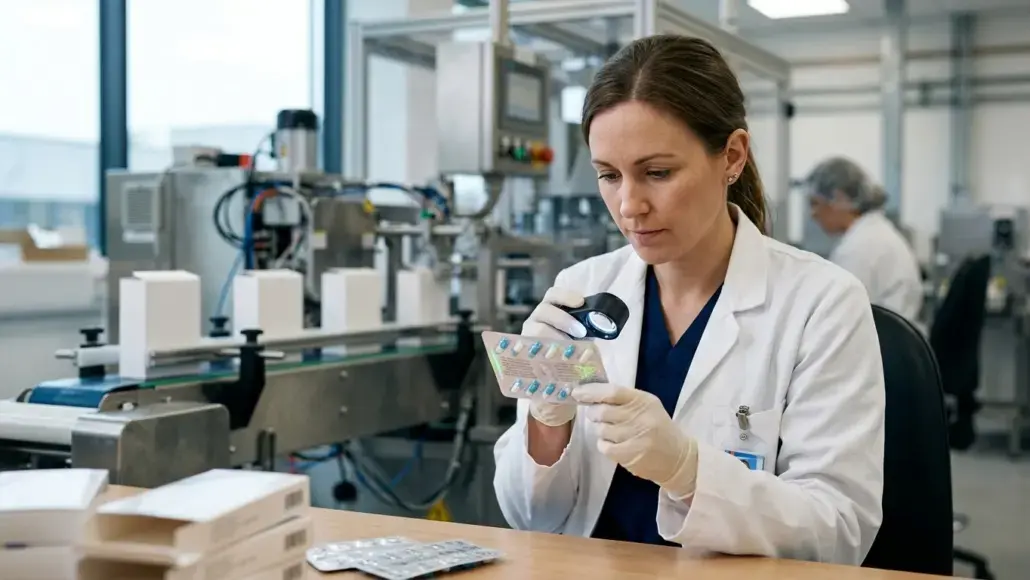
The pharmaceutical industry faces a persistent and sophisticated threat from the global trade in counterfeit medicines. These illicit products, which may contain the wrong ingredients, no active ingredients, or even toxic substances, pose a grave danger to patient safety and undermine public trust in healthcare systems. As counterfeiters become increasingly adept at replicating the look and feel of legitimate products, the industry has responded with a multi-layered approach to security. At the heart of this defense is the development of innovative anti counterfeit pharma packaging designs. Pharma Advancement notes that by integrating a combination of visible and invisible security features directly into the packaging, manufacturers are creating a robust barrier that makes it significantly more difficult and expensive for criminals to successfully mimic life-saving medications.
Overt Security Features: The Visual First Line of Defense
The first line of defense in any secure package is the implementation of overt drug security features. These are elements that can be easily recognized by a pharmacist or patient without the need for specialized equipment. Holographic labels are a prime example of this technology. Modern holograms are not just simple shiny stickers; they incorporate complex, multi-dimensional images and kinetic effects that change when the package is tilted. These are produced using high-precision optical equipment that is difficult to acquire and operate, providing a strong deterrent to casual counterfeiters. Additionally, the use of color-shifting inks and intricate micro-printing—text so small it can only be read under a magnifying glass—adds further layers of visual authentication that are nearly impossible to replicate perfectly using standard commercial printing techniques.
Covert Technologies and Forensic-Level Markers
While visible features are essential for quick checks, the real strength of a secure design often lies in its covert elements. These are invisible features that require specific tools or knowledge to verify. For instance, some manufacturers now use forensic-level markers, such as microscopic DNA or chemical fingerprints, embedded within the ink or the packaging material itself. These markers can be authenticated by authorized personnel using handheld scanners or laboratory analysis, providing indisputable proof of a product’s origin. By layering these covert technologies alongside overt features, companies ensure that even if a counterfeiter manages to replicate the outer appearance of a box, the underlying security remains intact, providing a hidden safety net for the supply chain.
Physical Integrity and Tamper-Evident Design
Physical security also includes the use of tamper evident seals. These features are designed to provide clear, irreversible evidence if a package has been opened or interfered with after it left the factory. This can include specialized tapes that leave a VOID message on the box if removed, or breakable seals on bottles and vials. The goal is to create a closed loop of security from the point of manufacture to the point of use. If a patient or healthcare provider sees that a seal is broken or appears to have been reglued, they know immediately that the product’s integrity has been compromised. This simple but effective psychological deterrent is a critical component of anti counterfeit pharma packaging, as it empowers the end-user to play an active role in their own safety.
Advancing Serialization and Track-and-Trace Capabilities
In recent years, the industry has made massive strides in pharmaceutical serialization. This process involves assigning a unique, randomized serial number to every individual unit of medication. This number is typically encoded in a 2D data matrix barcode on the outer packaging. Serialization allows for true track and trace capabilities, where the history of a specific bottle can be followed through every step of the distribution network. When the medication is dispensed, the pharmacist can scan the code to verify that it is a legitimate number and that it hasn’t already been marked as sold elsewhere. This digital backbone is essential for identifying diverted or stolen products and provides the data needed to quickly recall specific batches if a problem is detected.
Strengthening Authentication with Blockchain Technology
The next evolution in security is the integration of advanced supply chain authentication technologies like blockchain. By linking the physical serial number of a product to a decentralized, immutable digital ledger, manufacturers can create a permanent record of every transaction and movement. This makes it virtually impossible for counterfeit products to be slipped into the legitimate supply chain without being noticed. Every handoff, from the manufacturer to the wholesaler to the pharmacy, is recorded and verified. This level of transparency not only thwarts counterfeiters but also improves inventory management and reduces waste. As these technologies become more widespread, they will form a global network of trust that protects patients regardless of where they are in the world.
The Critical Role of Education and Patient Engagement
Innovative anti counterfeit pharma packaging designs also focus on the human element. For security features to be effective, they must be used correctly. This means educating healthcare professionals and patients on what to look for and how to use authentication tools. Many manufacturers are now incorporating QR codes that patients can scan with their smartphones to instantly verify their medication. This direct connection between the brand and the consumer not only provides peace of mind but also allows the company to gather real-time data on potential counterfeit hotspots. When technology and education work in tandem, the result is a significantly safer and more resilient healthcare ecosystem.
Looking to the Future: The Rise of Smart Packaging
Ultimately, the battle against counterfeit drugs is an ongoing arms race. As criminals adopt new technologies, the pharmaceutical industry must continue to innovate and collaborate. The future of anti-counterfeiting lies in smart packaging that can sense its own environment and report its status in real-time. We are already seeing the emergence of NFC-enabled labels that can provide a secure, encrypted handshake with a mobile device, offering a level of security that was unimaginable just a decade ago. Pharma Advancement believes that by staying one step ahead through the constant development of innovative anti counterfeit pharma packaging designs, the industry is fulfilling its most basic promise: ensuring that the medicine people rely on is safe, authentic, and effective.
