



















For most of the history of modern medicine, the pharmaceutical industry has operated on a “one-size-fits-all” model. Drugs were developed and tested based on average responses in large populations, and dosages were typically standardized across all adults. However, as our understanding of genetics, proteomics, and individual metabolism has deepened, it has become clear that this approach is often inefficient and, in some cases, ineffective. The emergence of personalized drug delivery represents a fundamental shift toward precision therapeutics, where every aspect of a treatment from the chemical composition of the drug to the timing and method of its delivery is tailored to the unique biological and lifestyle needs of the individual patient. This evolution is at the heart of pharma innovation, moving us away from generalized care and toward a future of truly patient centric care.
The core premise of personalized drug delivery is that each person’s body interacts with a medication in a slightly different way. Factors such as genetic polymorphisms in liver enzymes, differences in gut microbiome composition, and even daily variations in circadian rhythms can all influence how a drug is absorbed, metabolized, and excreted. By leveraging data from genomic sequencing and real-time health monitoring, clinicians can now design delivery profiles that optimize the therapeutic effect while minimizing the risk of adverse reactions. This precision is not just a luxury; it is a clinical necessity in fields like oncology, where the genetic makeup of a tumor can vary significantly from one patient to another, requiring a highly specific and targeted drug delivery approach.
The Role of Pharma Innovation in Tailored Treatments
The move toward personalized therapeutics is being driven by rapid advancements in diagnostic technology and materials science. We are seeing the development of “companion diagnostics” tests that are performed before a treatment begins to determine which drug and which delivery method will be most effective for a specific patient. This ensuring that the right patient receives the right treatment at the right time, preventing the “trial and error” approach that has long characterized the management of complex chronic diseases. In this context, pharma innovation is not just about creating new molecules, but about creating the systems and intelligence that allow those molecules to be used with maximum efficiency.
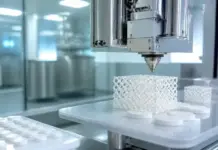
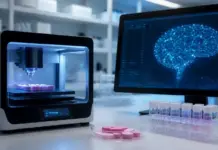
One of the most visible examples of this innovation is the use of 3D printing in pharmaceutical manufacturing. 3D printing allows for the creation of “personalized pills” that can combine multiple different medications into a single tablet, each with its own customized release profile. For a patient with a complex regimen, this could mean replacing five different bottles with one tailor-made pill that releases each drug at the exact time of day when it will be most effective. This level of customization was once thought to be an impossible dream, but it is now becoming a reality, offering a powerful tool for improving adherence and reducing the risk of drug-drug interactions.
Precision Medicine and the Power of Targeted Drug Delivery
A critical component of personalized drug delivery is the ability to target the medication to specific cells or tissues. In precision medicine, the goal is often to deliver a potent agent directly to a diseased site such as a tumor or an inflamed joint without exposing the rest of the body to the drug’s toxic effects. This is achieved through the use of functionalized nanoparticles or ligand-targeted carriers that recognize specific molecular markers on the surface of target cells. Because the markers vary from person to person, the delivery system itself must be personalized to match the patient’s unique biological signature.
Furthermore, the concept of “temporal personalization” is gaining traction. This involves timing the delivery of a drug to coincide with the periods of greatest need or the body’s natural peaks in drug metabolism. For example, in the treatment of asthma or rheumatoid arthritis, where symptoms are often worse at night or in the early morning, personalized delivery systems can be designed to release a higher dose during those specific windows. By aligning the medication with the body’s internal clock, we can achieve better symptom control with lower overall doses of medication. This focus on the “when” as much as the “where” is a hallmark of the most advanced personalized therapeutics.
Patient Centric Care and the Integration of Digital Health
At its most fundamental level, personalized drug delivery is about empowering the patient and placing them at the center of their own care. The integration of digital health tools, such as wearable sensors and mobile health apps, allows for the continuous monitoring of a patient’s response to therapy. This real-time data can be used to make immediate adjustments to the drug delivery profile. Imagine a smart insulin pump that not only monitors blood glucose but also learns the patient’s exercise and eating patterns to provide a truly personalized delivery of insulin. This is the essence of patient centric care, where the technology adapts to the human, rather than the human having to adapt to the technology.
This data-driven approach also allows for a more collaborative relationship between the patient and the healthcare provider. Instead of waiting for a monthly check-up to report side effects or treatment failures, the data provides an objective and continuous record of the treatment’s success. This enables “proactive” rather than “reactive” medicine, where potential issues can be identified and corrected before they lead to serious complications. By making the treatment process more transparent and responsive, personalized drug delivery is not just improving health outcomes; it is also improving the overall quality of the healthcare experience.
Future Horizons: From Genomics to Global Accessibility
As we look toward the future, the potential for personalized drug delivery is boundless. The integration of artificial intelligence and machine learning with large-scale genomic data will allow us to predict with incredible accuracy how any given individual will respond to a new therapy. This will accelerate the drug development process and ensure that new treatments are safe and effective from day one. We are also seeing the development of “smart” implants that can be remotely programmed to release medication in response to changing clinical needs, providing a truly autonomous and personalized therapy.
However, the challenge for the future will be ensuring that these advanced personalized therapeutics are accessible to everyone, not just those in the most developed countries. This will require a global effort to reduce the cost of genomic sequencing and to develop scalable manufacturing technologies like 3D printing that can be deployed in diverse settings. The goal is to create a world where personalized care is the standard, not the exception. By continuing to innovate at the intersection of biology and technology, we are building a more equitable and effective healthcare system that recognizes and respects the unique needs of every individual on the planet.
