




The administration of medication via the oral route has long been considered the “gold standard” of clinical practice. Its popularity stems from a combination of high patient preference, ease of manufacturing, and the simple logistical advantage of being a non-invasive procedure. However, the journey of an oral drug from the mouth to the bloodstream is fraught with biological obstacles, including the highly acidic environment of the stomach, the presence of digestive enzymes, and the physical barrier of the intestinal wall. For many years, these challenges restricted the types of drugs that could be delivered orally, often forcing patients to rely on more invasive injections. Today, a new wave of oral drug delivery innovations is fundamentally changing this landscape, allowing for the effective delivery of increasingly complex and potent therapeutic agents. By focusing on the intersection of materials science and gastrointestinal physiology, the pharmaceutical industry is significantly enhancing patient outcomes and expanding the reach of modern medicine.
At the heart of these innovations is the drive to improve oral bioavailability the fraction of an administered dose that reaches the systemic circulation in an active state. Many of the most promising new drug candidates are poorly soluble in water, which often leads to inconsistent absorption and unpredictable therapeutic results. To address this, researchers are developing sophisticated oral formulations that utilize lipid-based delivery systems and solid dispersions. These technologies essentially “pre-dissolve” the drug or hold it in a state that favors absorption once it reaches the small intestine. By ensuring a more consistent and reliable absorption profile, these systems reduce the risk of treatment failure and minimize the occurrence of side effects associated with unabsorbed drug material remaining in the gut.
The Evolution of Patient-Friendly Pharma Dosage Forms
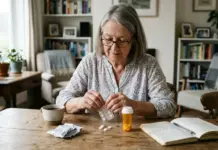
One of the primary drivers behind oral drug delivery innovations is the need to improve patient compliance. Even the most effective medication is useless if the patient cannot or will not take it as prescribed. For many populations, such as children and the elderly, swallowing large, hard tablets can be a significant barrier to treatment. The development of patient-friendly pharma dosage forms, such as orally disintegrating tablets (ODTs) and chewable formulations, is a direct response to this challenge. These systems dissolve rapidly on the tongue without the need for water, making them ideal for patients with dysphagia or those who are constantly on the move. This ease of use directly translates to better adherence and, ultimately, more successful clinical outcomes across a wide range of therapies.
Beyond physical ease of use, innovations are also targeting the frequency of administration. The emergence of multi-particulate systems and osmotic-controlled release tablets allows for the delivery of a steady dose of medication over a 24-hour period. Instead of taking a pill three or four times a day, a patient may only need to take one. This reduction in “pill burden” is a critical factor in managing chronic diseases like hypertension or diabetes, where long-term adherence is the key to preventing serious complications. By aligning the medication schedule with the patient’s daily life, these advanced oral formulations are making healthcare a more seamless and less intrusive experience.
Overcoming the Barriers to Peptide and Protein Delivery
Perhaps the most exciting frontier in oral drug delivery innovations is the effort to deliver biologics, such as peptides and proteins, through the oral route. Historically, these large and fragile molecules were considered “undruggable” by mouth because they are quickly broken down by the stomach’s acids and enzymes. However, new technologies like “robotic pills” and enzyme-shielding coatings are beginning to change this. Robotic pills are designed to protect the protein payload as it travels through the stomach and then use a microscopic mechanical trigger to inject the drug directly into the wall of the small intestine, where there are no pain receptors. This allows the protein to enter the bloodstream directly, mimicking the effect of an injection without the needle.
Other strategies involve the use of permeation enhancers compounds that temporarily and safely open the tight junctions between the cells of the intestinal lining, allowing large molecules to slip through. When combined with enteric coatings that only dissolve in the specific pH of the small intestine, these enhancers can significantly boost the drug absorption of molecules like insulin or growth hormones. While many of these technologies are still in the clinical trial phase, they represent a potential paradigm shift that would eliminate the need for daily injections for millions of patients worldwide, profoundly improving their quality of life and long-term health prospects.
Strategies for Maximizing Drug Absorption and Solubility
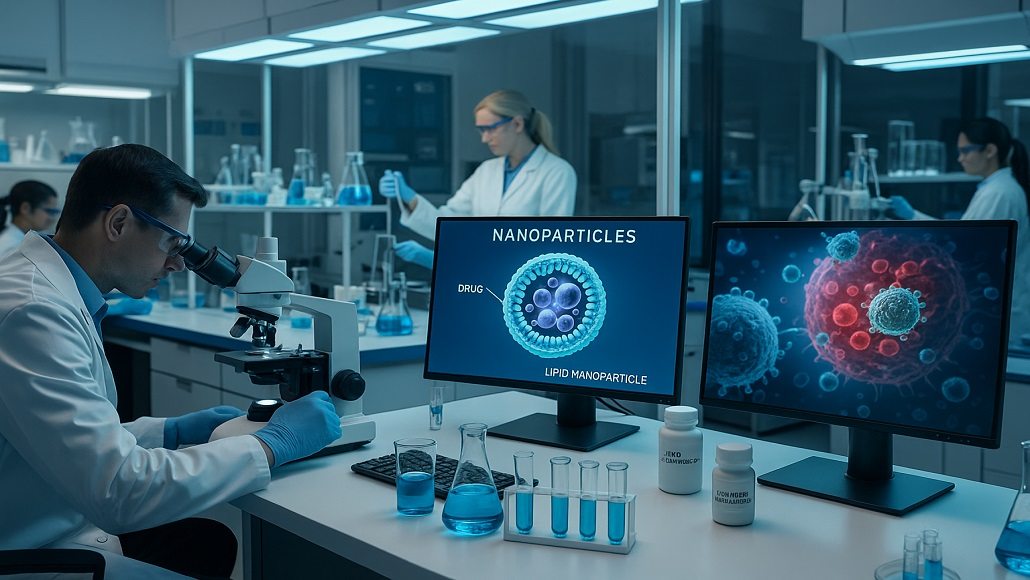
The challenge of drug solubility is not just a hurdle for new drugs but also for the optimization of existing ones. Oral drug delivery innovations are increasingly focusing on nanotechnology to create “nanocrystals” of active ingredients. By reducing the particle size of a drug to the nanoscale, the surface area exposed to digestive fluids is dramatically increased, which in turn speeds up the rate of dissolution and absorption. This technique is particularly useful for hydrophobic drugs that would otherwise pass through the body without being fully utilized. The result is a more efficient use of the drug, allowing for lower doses that achieve the same therapeutic effect with a lower metabolic burden on the patient.
Furthermore, the use of self-emulsifying drug delivery systems (SEDDS) is gaining traction. These formulations are mixtures of oils, surfactants, and co-solvents that spontaneously form fine oil-in-water emulsions when they come into contact with the fluids in the gastrointestinal tract. These emulsions keep the drug in a solubilized state, preventing it from precipitating out of solution before it can be absorbed. This level of molecular control ensures that the oral bioavailability is maximized, providing a robust and predictable therapeutic response. As we refine these chemical engineering techniques, the ability to deliver even the most difficult-to-handle molecules through the oral route will become a standard part of biopharmaceutical development.
The Future of Oral Delivery in the Era of Precision Medicine
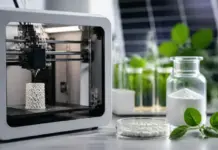
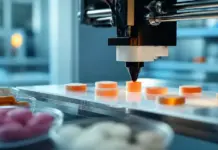
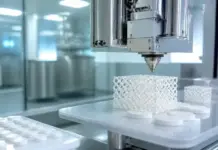
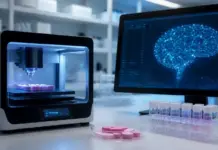
As we look toward the future, oral drug delivery innovations are becoming increasingly integrated with the principles of precision medicine. The development of 3D-printed “polypills” allows for the creation of customized medication that contains multiple different drugs, each with its own specific release profile, all in a single tablet tailored to an individual’s unique needs. This level of personalization ensures that the patient receives the optimal combination of therapies with minimal complexity. Furthermore, the use of “smart” oral delivery systems that can sense physiological markers such as the presence of specific enzymes or a change in local pH will allow for the release of medication only when and where it is truly needed.
The environmental impact of pharmaceutical manufacturing is also being addressed through these innovations. By creating more efficient delivery systems that require lower doses, we can reduce the overall volume of chemical waste produced during synthesis. Additionally, the move toward biodegradable and bio-sourced materials for pill coatings and matrices ensures that the “afterlife” of the medication is as clean as its production. Through these efforts, the pharmaceutical industry is demonstrating a commitment to both human health and the health of the planet, ensuring that oral drug delivery remains a sustainable and effective cornerstone of healthcare for generations to come.
